

The world’s population has reached approximately 8 billion people. Industrial wastewater treatment has become critical for environmental sustainability and regulatory compliance. Industrial activities generate large quantities of pollutants. American industries produce around 7.6 Gt of industrial waste each year. Regulatory frameworks are tightening around the world and impose stricter discharge standards on facilities. Industrial wastewater treatment systems must now balance compliance requirements with environmentally responsible approaches that reduce energy consumption. We’ll walk you through the essential industrial wastewater treatment process in this piece. You’ll learn about understanding regulatory requirements and selecting the right industrial wastewater treatment technologies. We’ll also cover implementing effective industrial waste management solutions for your facility.
Understanding Industrial Wastewater Treatment Requirements
What is Industrial Wastewater Treatment
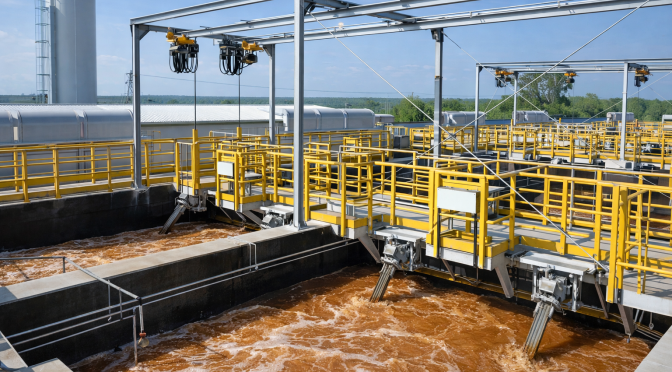
Industrial wastewater treatment describes the processes used to treat wastewater that industries produce as an undesirable by-product. This wastewater originates from manufacturing, energy production, and various industrial operations where water serves as a medium for production, cooling, or cleaning. The effluent may be reused within the facility, released to municipal sewer systems, or discharged to surface waters after treatment.
Manufacturing sectors generate wastewater that’s much more complex than domestic sewage. Industries such as petroleum refineries, chemical plants, food processing facilities, and textile mills each produce distinct waste streams that just need specialized treatment approaches. The treatment process consists of pretreatment to improve biodegradability, biological treatment to remove pollutants, and advanced treatment for stringent discharge standards or reuse applications.
Types of Industrial Wastewater Contaminants
Industrial effluents contain much higher pollutant concentrations compared to municipal wastewater. COD concentrations in industrial wastewater range from hundreds to thousands of micrograms per liter. Municipal wastewater contains 50-300 mg·L⁻¹. Treatment processes for industrial wastewater are longer and more complex for this reason, with hydraulic retention times of 10-100 hours compared to 10-20 hours for municipal treatment.
Major contaminant categories include:
- Heavy Metals: Mercury, lead, chromium, cadmium, arsenic, and copper from electroplating, battery manufacturing, and metal finishing operations
- Organic Matter: High BOD and suspended solids from food processing, slaughterhouses, and pulp and paper industries
- Nutrients: Excess nitrogen and phosphorus from fertilizer manufacturing and food processing
- Toxic Compounds: Phenols, cyanide, and volatile organic compounds from petroleum refining and chemical production
- Thermal Pollution: Heated discharge water from power generation and steel production
Environmental and Health Impacts of Untreated Wastewater
Untreated industrial wastewater poses severe environmental and health risks. Heavy metals are persistent, non-biodegradable elements that accumulate in aquatic environments and bioaccumulate throughout the food chain. The Maximum Contaminant Level for arsenic in drinking water is 10 μg/L, yet millions worldwide face exposure exceeding 50 μg/L.
Eutrophication represents another critical concern. Excess nutrients fuel explosive algae growth that depletes dissolved oxygen and creates dead zones where aquatic life cannot survive. Over 90% of rivers in Poland face threats from eutrophication caused by wastewater that’s treated inadequately.
Human health impacts include waterborne diseases, with approximately 1.5 million preventable deaths per year resulting from unsafe water. An estimated 860,000 children below five years die from unsafe water consumption each year.
The Business Case for Sustainable Treatment
Wastewater treatment contributes to achieving 11 out of 17 Sustainable Development Goals. The benefits extend beyond compliance to include water availability boost, human health protection, and environmental impact reduction.
Sustainable treatment delivers measurable business value. Water recovery rates of 80-95% reduce freshwater demand and associated costs. Energy optimization can reduce overall consumption by 20-30% compared to conventional treatment. Organizations that implement sustainable treatment avoid disposal costs while creating a controlled, predictable water asset that supports business growth.
Regulatory Compliance Framework for Industrial Wastewater Treatment
National and International Wastewater Discharge Standards
The Clean Water Act prohibits pollutant discharges from point sources into U.S. waters without a National Pollutant Discharge Elimination System permit. EPA develops Effluent Guidelines on an industry-by-industry basis, representing the greatest pollutant reductions economically achievable. These technology-based regulations control pollution from close to 60,000 industrial facilities and prohibit the discharge of 700 billion pounds of pollutants each year.
EPA has promulgated Effluent Guidelines for 58 industrial categories with over 450 subcategories. Standards include Best Practicable Control Technology Currently Available, Best Conventional Pollutant Control Technology, and Best Available Technology Economically Achievable for existing sources. New Source Performance Standards apply to direct dischargers. Pretreatment Standards for Existing Sources and Pretreatment Standards for New Sources govern indirect dischargers to publicly owned treatment works.
WHO wastewater effluent discharge standards provide measures for permissible contaminant levels around the world, though these global standards are not binding. The IFC guidelines apply to projects with direct or indirect process wastewater discharge. Countries establish their own frameworks. Colombia’s Resolution No. 0631 of 2015 sets maximum permissible parameters for wastewater dumping.
Industrial Wastewater Treatment Plant Compliance Requirements
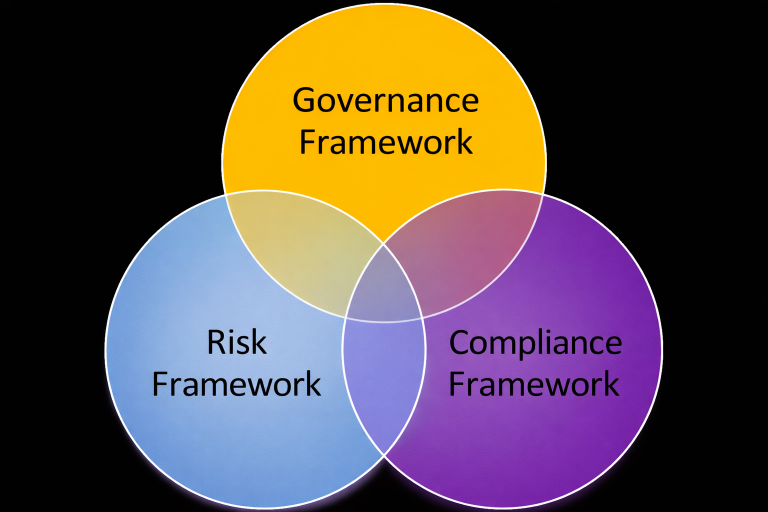
Facilities must design treatment processes to meet discharge limits for parameters including Biochemical Oxygen Demand, Chemical Oxygen Demand, Total Suspended Solids, pH levels, nutrients, toxic metals, and grease and oil. Industrial wastewater treatment plants need permits from regulatory authorities that specify pollution release limits, monitoring frequency, reporting schedules, record-keeping rules, and operator certification requirements.
Direct dischargers get NPDES permits with limits using BPT, BAT, BCT and NSPS. Categorical industrial users subject to pretreatment standards must comply whatever the POTW’s pretreatment program approval status.
Monitoring and Reporting Obligations
Facilities submit Discharge Monitoring Reports that document pollutant concentrations and show permit compliance. Permittees required to submit DMR results electronically must do so through the NetDMR reporting system. Monitoring parameters should indicate pollutants of concern from the process and include regulated parameters under compliance requirements.
Penalties for Non-Compliance and Legal Risks
Civil penalties can exceed $60,000 per day per violation. Violations of pretreatment standards that are knowing carry penalties of $5,000-50,000 per day and three years imprisonment. Subsequent convictions bring six years and $100,000 per day. Violations involving knowing endangerment face fines up to $250,000 and fifteen years imprisonment. Corporations and responsible corporate officers may be held liable for violations committed by employees under their supervision.
Industrial Wastewater Treatment Technologies and Systems

Meeting discharge standards means selecting appropriate industrial wastewater treatment technologies. Treatment systems employ physical, chemical and biological methods in sequence, with advanced technologies for stringent requirements.
Physical Treatment Methods
Physical treatment removes suspended solids and debris through screening, sedimentation and filtration. Screening eliminates large objects with coarse screens (6 mm openings) and fine screens (1.5-6 mm openings). Gravity settles suspended particles in clarifiers during sedimentation, whereas dissolved air flotation removes oils and greases from refineries and chemical plants.
Chemical Treatment Processes
Chemical treatment targets specific contaminants through coagulation, flocculation, precipitation and oxidation. Coagulants like aluminum sulfate neutralize particle charges and form flocs that settle faster. Polyaluminum chloride achieved 99.9% TSS removal, 98.23% COD removal and 99.1% lead removal in ceramic industry wastewater. Neutralization adjusts pH, while oxidation processes destroy organic pollutants and pathogens.
Biological Treatment Systems
Biological treatment uses microorganisms to decompose organic matter. Aerobic processes require oxygen and produce carbon dioxide and biomass, whereas anaerobic treatment generates methane without oxygen. Moving Bed Biofilm Reactor technology achieves maximum removal efficiencies of 97% BOD, 96% COD, 99% phosphorus and 99% oxygen at 2-6 hour HRT. Conventional activated sludge shows high potential due to lower costs and great removal efficiency.
Advanced Industrial Wastewater Treatment Technologies
Membrane technologies like reverse osmosis, ultrafiltration and nanofiltration separate dissolved solids and contaminants. Membrane bioreactors combine biological treatment with membrane filtration and achieve 75% COD removal, 98% TSS removal, 74% TN removal and 99.9% TC removal. Advanced oxidation processes using ozone, hydrogen peroxide and UV light degrade persistent organic compounds.
Zero Liquid Discharge (ZLD) Systems
ZLD systems eliminate liquid wastewater discharge through water recycling and recovery. These systems reduce wastewater output by 80% on average and recover water as product while producing solid waste for disposal. ZLD has pretreatment, reverse osmosis, brine concentrators, evaporators and crystallizers. Water recovery rates reach 95-99%, though ZLD requires high capital investment and energy consumption.
Selecting the Right Industrial Wastewater Treatment System
System selection depends on wastewater characteristics, discharge standards, land availability and economic viability. Legal requirements emerge as the most critical factors, followed by volume and discharge fees. Smaller firms prefer off-site treatment to reduce complexity, while larger firms choose on-site configurations for cost reduction.
Step-by-Step Implementation Guide for Industrial Wastewater Treatment Plants
Successful implementation begins with understanding your facility’s specific wastewater profile before selecting partners and technologies.
Conducting Wastewater Characterization and Assessment
Wastewater characterization are the foundations of treatment plant design. Analyze flow rate (average and peak volumes), Chemical Oxygen Demand, Biochemical Oxygen Demand, Total Suspended Solids, pH levels, and toxic pollutants like heavy metals or solvents. Material data sheets provide valuable information about substances used in operations and their environmental impacts.
Choosing Industrial Wastewater Treatment Companies
Vendor selection requires evaluating technical capability, as wastewater quality varies by a lot between sites. Companies with experience handling sewage, industrial effluent, and mixed wastewater understand ground operational challenges. Verify ISO 9001 and ISO 14001 certifications that prove compliance with quality and environmental standards. Strong vendors manage design internally and offer commissioning support. They provide routine service visits and maintain spare parts inventory.
Designing Your Industrial Wastewater Treatment Process
Design considerations include capacity planning based on expected volume and pollutant load. Modular systems allow easy expansion, and automation monitors pH, flow rates, and oxygen levels. Sizing plants for peak flow allows the system to handle high-production periods without becoming overwhelmed.
Installation and Commissioning of Treatment Systems
Commissioning will give optimized performance. Inspect equipment including pumps, motors, and tanks before startup. Conduct the first flushing with clean water to remove installation debris. Introduce wastewater gradually and allow biological processes time to stabilize. Biological treatment methods just need establishing solid microbial populations with proper aeration.
Operational Best Practices and Maintenance
Regular monitoring and testing keep you compliant with regulatory standards. Implement preventive maintenance programs with weekly, monthly, and quarterly tasks. Proper chemical dosing achieves desired water quality without overdosing. Train operators on startup procedures and safety protocols. They should know emergency response.
Cost Management and ROI Analysis
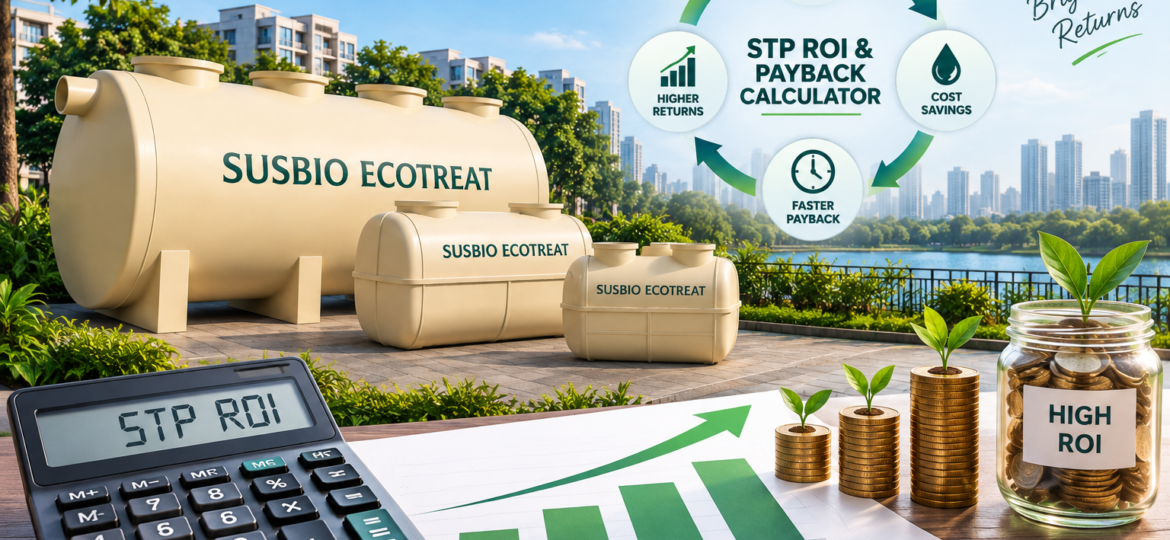
ROI calculation compares savings against costs: ROI = (Savings – Cost)/Cost × 100. Think about water savings, energy efficiency, maintenance reduction, and avoided fines. Payback periods under 3-5 years indicate viable investments. Onsite treatment offers lower long-term costs compared to hauling or excessive discharge fees.
Conclusion
Sustainable industrial wastewater treatment balances regulatory compliance with operational efficiency. Successful implementation requires complete wastewater characterization, selecting proven technologies, and partnering with experienced vendors. We’ve covered the entire process from understanding discharge standards to designing treatment systems and maintaining optimal performance. Your facility can achieve compliance while reducing costs through water recovery and energy optimization. Proper planning and consistent monitoring reshape wastewater treatment from a regulatory burden into a strategic business asset. This protects both the environment and your bottom line.
Key Takeaways
Industrial wastewater treatment is no longer just about compliance—it’s a strategic business opportunity that protects the environment while delivering measurable ROI through water recovery and cost reduction.
- Regulatory compliance is non-negotiable: EPA standards control 60,000+ facilities with penalties exceeding $60,000 per day per violation, making proper treatment essential for legal and financial protection.
- Technology selection drives success: Choose treatment systems based on wastewater characteristics, discharge standards, and economic viability—biological treatment achieves 97% BOD removal while membrane technologies reach 99% water recovery rates.
- Thorough characterization prevents costly mistakes: Analyze flow rates, COD, BOD, pH levels, and toxic pollutants before system design to ensure optimal performance and regulatory compliance.
- Sustainable treatment delivers strong ROI: Water recovery rates of 80-95% reduce freshwater costs, energy optimization cuts consumption by 20-30%, and payback periods under 3-5 years indicate viable investments.
- Partner selection determines long-term success: Choose vendors with ISO certifications, mixed wastewater experience, and comprehensive support including design, commissioning, maintenance, and spare parts inventory.
When implemented correctly, industrial wastewater treatment transforms from a regulatory burden into a competitive advantage that supports business growth while protecting natural resources for future generations.
Frequently Asked Questions
Q1. What exactly is industrial wastewater treatment and why is it necessary?
Industrial wastewater treatment refers to the processes used to treat wastewater produced by industries as an undesirable by-product from manufacturing, energy production, and various industrial operations. It’s necessary because industrial effluents contain significantly higher pollutant concentrations than municipal wastewater—including heavy metals, organic matter, nutrients, and toxic compounds—that pose severe environmental and health risks if discharged untreated. Treatment ensures compliance with regulatory standards while protecting water resources and public health.
Q2. What are the main types of contaminants found in industrial wastewater?
Industrial wastewater contains five major contaminant categories: heavy metals (mercury, lead, chromium, cadmium) from electroplating and metal finishing; organic matter with high BOD from food processing and pulp industries; excess nutrients (nitrogen and phosphorus) from fertilizer manufacturing; toxic compounds like phenols and cyanide from petroleum refining; and thermal pollution from power generation. These contaminants are present at much higher concentrations than in municipal wastewater, requiring specialized treatment approaches.
Q3. How do I choose the right wastewater treatment system for my facility?
System selection depends on several critical factors: your wastewater characteristics (flow rate, COD, BOD, pH levels, and specific pollutants), applicable discharge standards, available land space, and economic viability. Legal requirements are the most critical consideration, followed by volume and discharge fees. Conduct thorough wastewater characterization first, then evaluate whether physical, chemical, biological, or advanced treatment technologies best address your specific contaminants while meeting regulatory compliance requirements.
Q4. What are the potential penalties for non-compliance with wastewater discharge regulations?
Non-compliance carries severe financial and legal consequences. Civil penalties can exceed $60,000 per day per violation. Knowing violations of pretreatment standards result in fines of $5,000-50,000 per day and up to three years imprisonment, with subsequent convictions bringing six years and $100,000 per day. Knowing endangerment violations face fines up to $250,000 and fifteen years imprisonment. Both corporations and responsible corporate officers can be held liable for violations.
Q5. Can industrial wastewater treatment actually provide a return on investment?
Yes, sustainable wastewater treatment delivers measurable ROI through multiple channels. Water recovery rates of 80-95% dramatically reduce freshwater costs, energy optimization cuts consumption by 20-30%, and proper treatment avoids costly disposal fees and regulatory penalties. Payback periods under 3-5 years indicate viable investments. When properly implemented, treatment systems transform from a regulatory burden into a strategic business asset that supports growth while protecting natural resources.