
What Is an Effluent Treatment Plant and Why Your Business Needs One
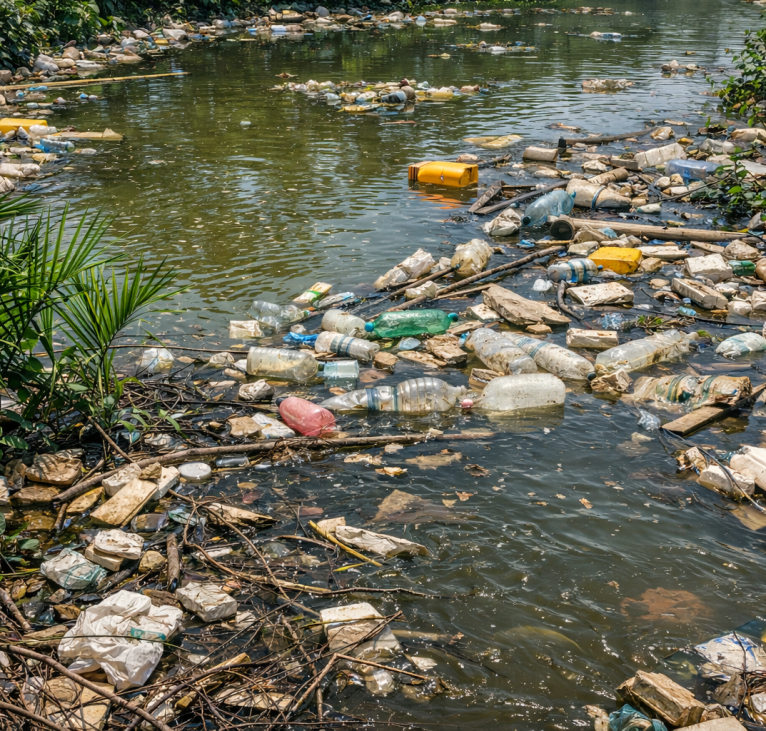
Industrial activities generate large amounts of wastewater. An effluent treatment plant is essential for any business serious about environmentally responsible operations. Industrial effluents can pollute rivers, lakes and groundwater without proper treatment. They harm aquatic life and local communities. This is where an ETP plant becomes critical for your business.
In fact, understanding what is etp plant and how the effluent treatment plant process works can help you protect the environment while meeting regulatory requirements. Working with the right industrial effluent treatment plant ensures you can reuse water and reduce costs. More, it helps build a responsible corporate image.
We’ll walk you through everything you need to know about effluent treatment plants in this piece. Investing in one is no longer optional.
Understanding Effluent Treatment Plants and Their Purpose
What Makes Industrial Wastewater Different
An effluent treatment plant (ETP) addresses a problem that standard sewage systems cannot handle. Domestic wastewater contains organic matter and common household chemicals. Industrial wastewater carries a complex mixture of hazardous substances that vary based on the manufacturing process.
Metal finishers produce large amounts of sludge containing heavy metals that harm the environment and human health. Industrial laundries generate wastewater contaminated with oil, grease, heavy metals and volatile organic compounds. The composition changes between household and industrial sources. This requires distinctive treatment approaches.
Industrial effluents often contain extreme pH levels and toxic chemicals specific to manufacturing processes. High levels of suspended solids add to the challenge. Thermal pollution from power generation and steel production creates another layer of complexity. These industries discharge water at temperatures much higher than receiving water bodies. This diversity means conventional sewage treatment plants designed for domestic wastewater often cannot handle these industrial contaminants.
The Role of ETP in Modern Industries
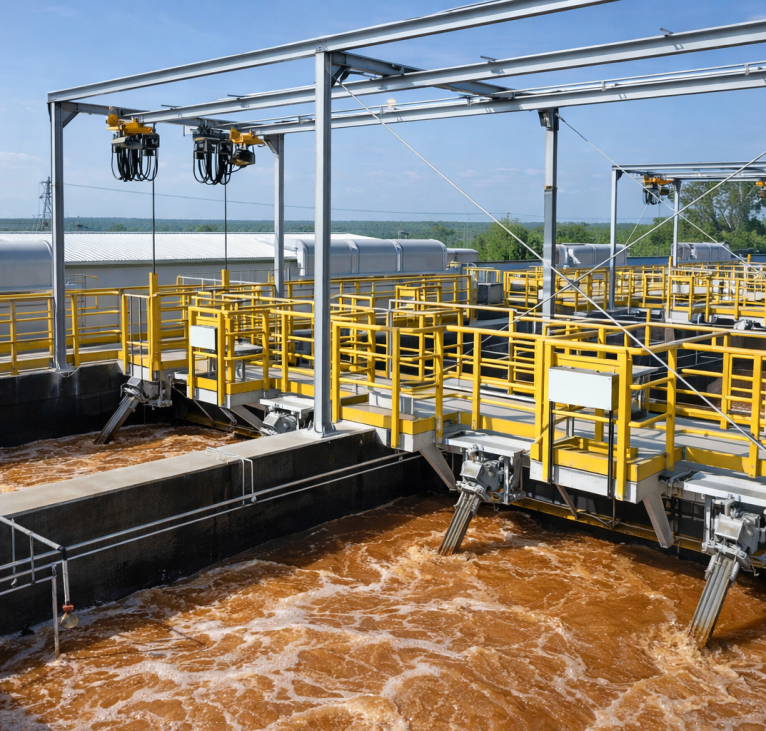
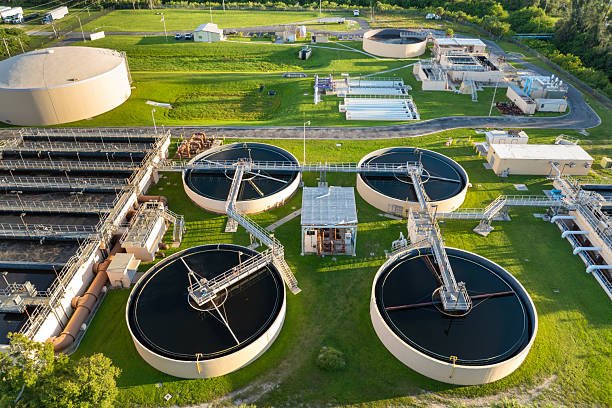
The effluent treatment plant process employs physical, chemical and biological methods to remove contaminants before discharge or reuse. The treated industrial wastewater may be reused or released to a sanitary sewer or surface water in the environment after treatment.
Most industrial processes have their own specialized facilities. Petroleum refineries and chemical plants ensure pollutant concentrations comply with regulations regarding disposal into sewers, rivers, lakes or oceans. Some industries install a pre-treatment system to remove toxic compounds and then discharge wastewater to municipal sewer systems.
Recent trends focus on minimizing wastewater production or recycling treated water within the production process. This helps industries reduce freshwater consumption while meeting guidelines issued by pollution control boards.
Types of Pollutants Removed by ETPs
Heavy metals represent some of the most dangerous pollutants. They never break down and accumulate in living tissue over time. Lead enters wastewater from battery manufacturing and metal finishing operations. Cadmium flows from electroplating and pigment manufacturing. Mercury still appears in wastewater from chlor-alkali plants and electrical equipment manufacturing.
Effluent treatment plants remove nitrogen and phosphorus compounds beyond metals. These can change from life-givers to environmental destroyers when present in excessive quantities. Food processing plants discharge enormous quantities of nitrogen compounds. Phosphates enter through detergent manufacturing and fertilizer production.
Fats, oils and greases create serious problems in both treatment systems and receiving waters. Oily wastewater creates a film on the surface when it reaches natural water bodies. This blocks sunlight and prevents oxygen exchange with the atmosphere.
The Complete Effluent Treatment Process Explained
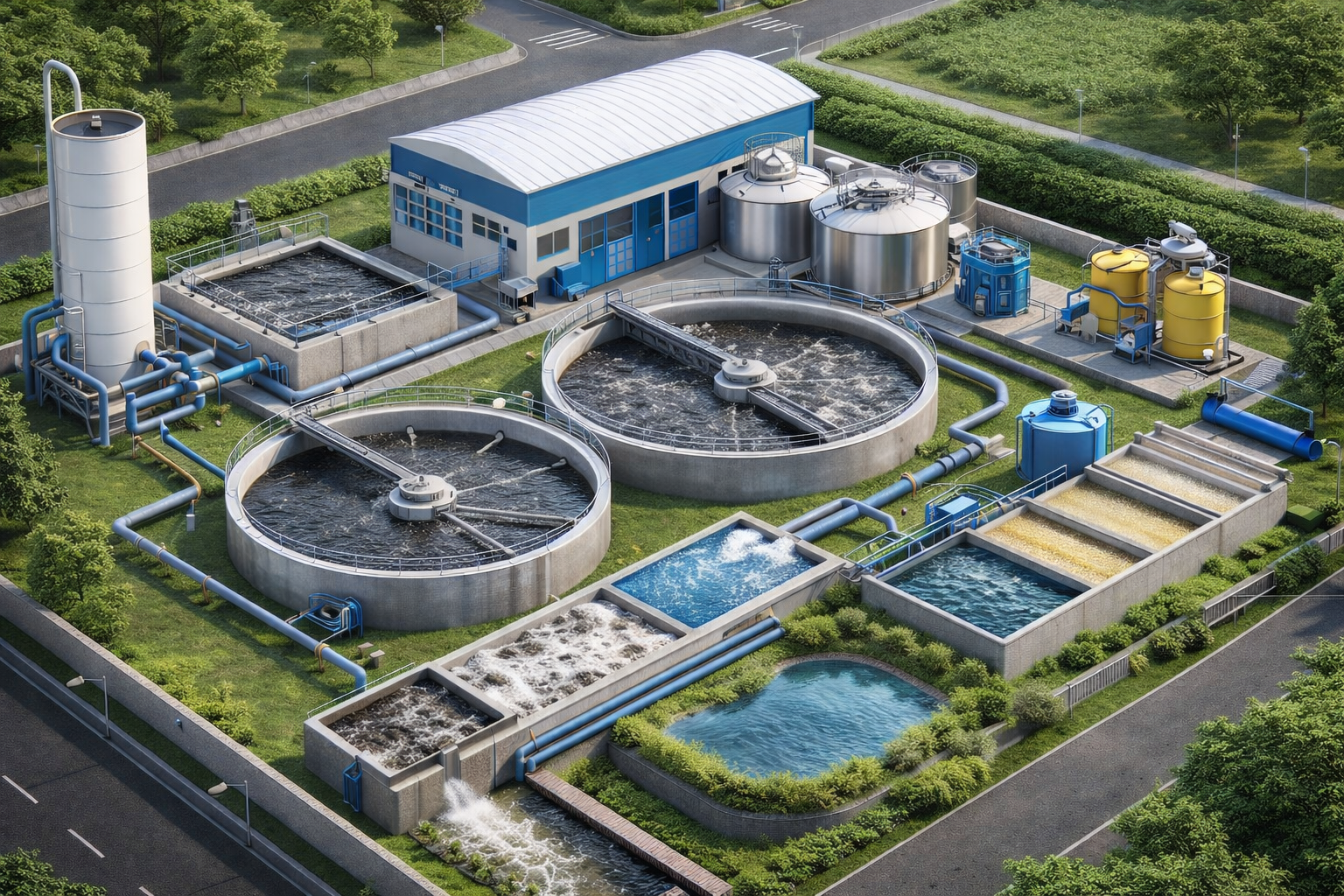
Every effluent treatment plant process follows a systematic approach to remove contaminants at different stages. These stages help you appreciate how raw industrial wastewater transforms into water safe for discharge or reuse.
Screening serves as the first defense and removes objects such as rags, paper, plastics, and metals to prevent damage and clogging of downstream equipment. Coarse screens with openings of 6 mm or larger capture bulky items. Fine screens with 1.5–6 mm openings remove smaller materials.
Grit chambers then remove sand, gravel, and heavy solid materials through controlled flow velocity after screening. This prevents abrasion and wear of pumps, pipelines, and mechanical equipment.
and
Coagulation
Primary sedimentation allows wastewater to settle in large clarifiers for one to two hours. This stage removes 50–70% of total suspended solids (TSS) and 25–40% of biological oxygen demand (BOD).
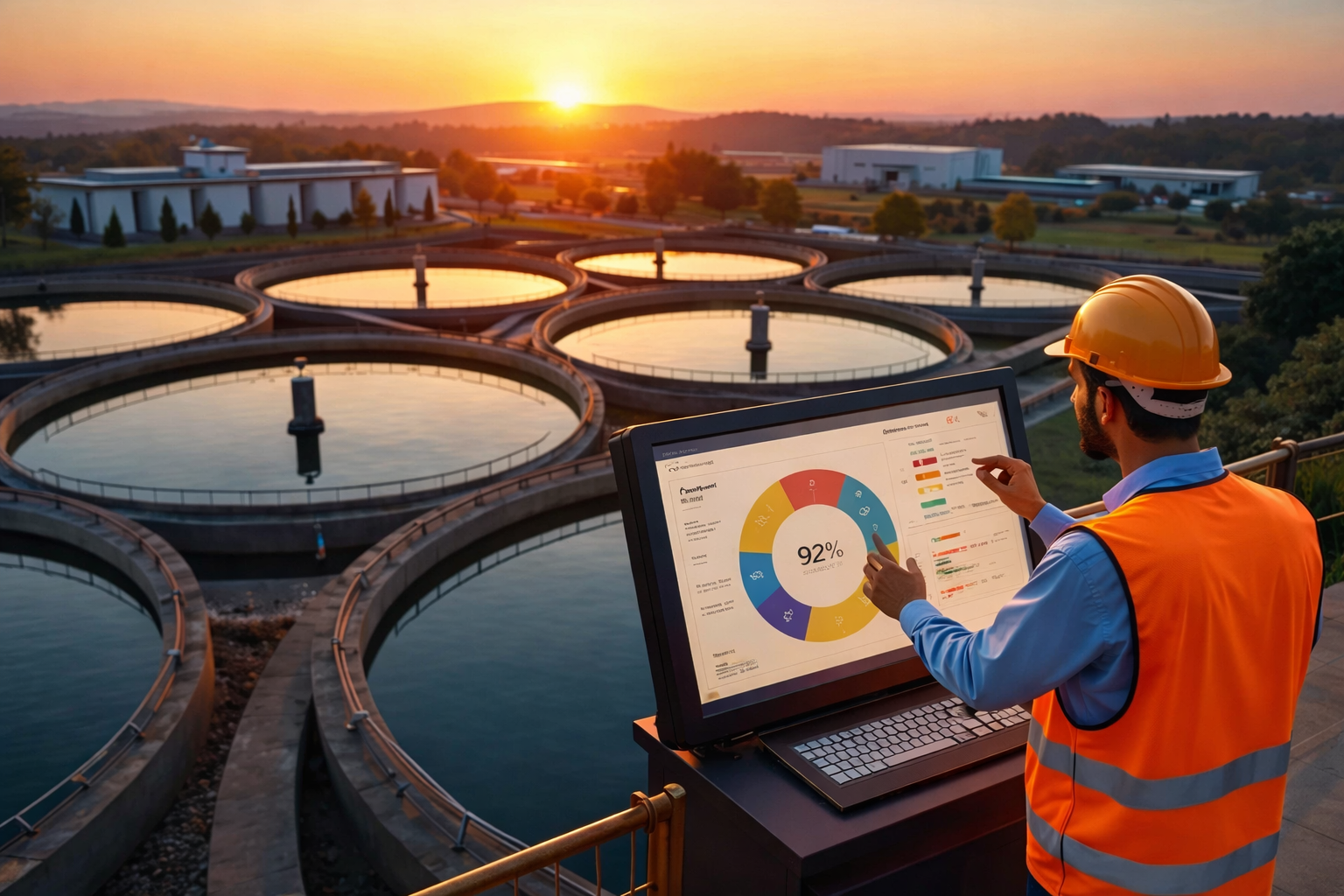
Coagulation involves adding chemicals such as alum or ferric chloride to neutralize the negative charges of fine particles. Flocculation follows with gentle mixing, allowing micro-particles to combine into larger flocs suitable for separation. Under optimal conditions, this process can remove up to 92.2% turbidity and nearly 100% of TSS.
The activated sludge process is the most widely used biological treatment method. In this stage, microorganisms such as bacteria and protozoa break down dissolved organic matter through aeration.
These microorganisms convert pollutants into biological flocs that settle in secondary clarifiers, separating treated water from the biomass.
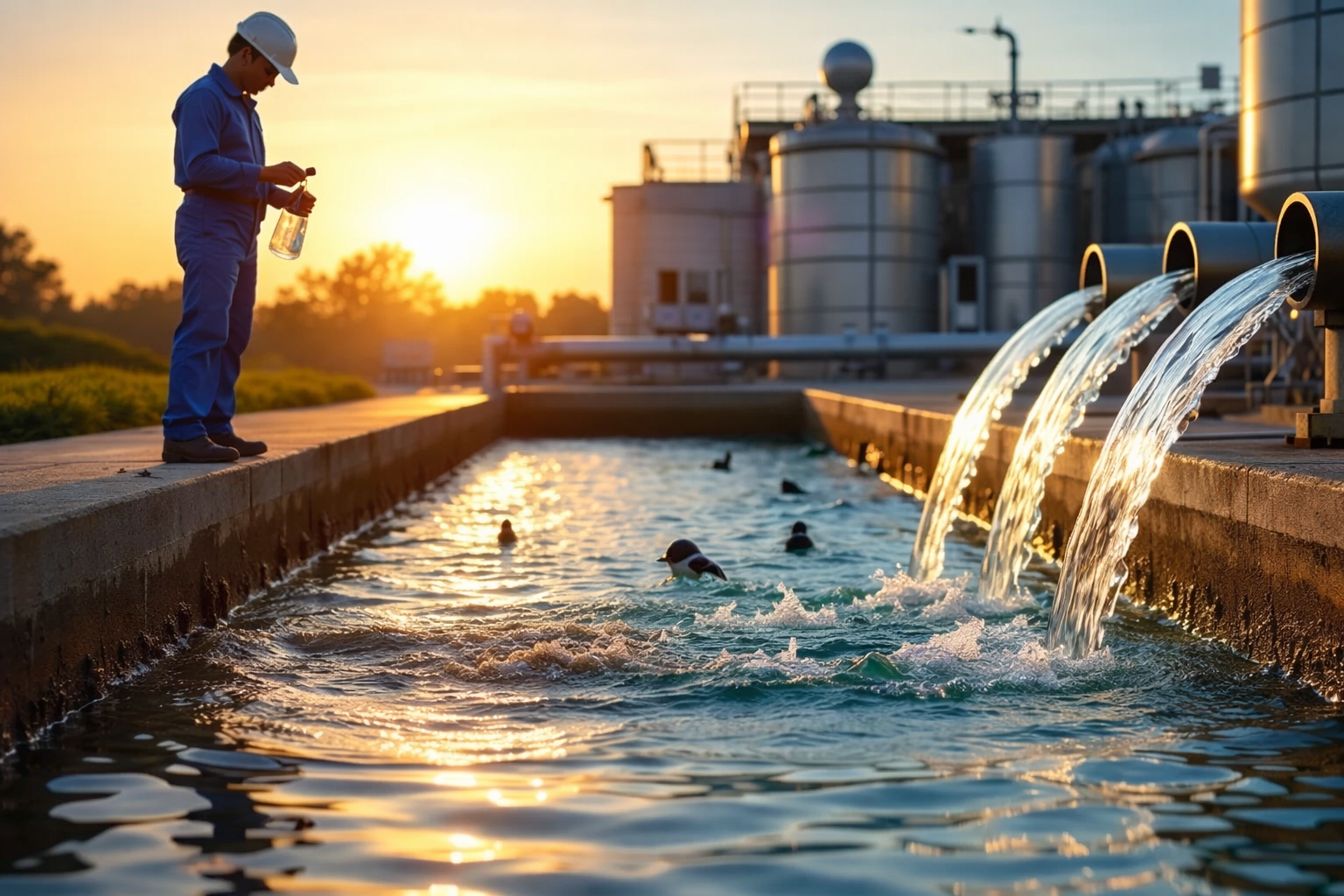
Tertiary filtration removes residual suspended solids through sand filters or membrane systems. Disinfection follows and uses chlorine, ultraviolet radiation or ozonation to eliminate pathogenic microorganisms before discharge.
Disposal
Sludge treatment reduces volume through thickening and cuts sludge mass up to 70%. Dewatering increases solids content to 18-20%. Drying further reduces water content below 10%.
Beyond environmental responsibility, installing an effluent treatment plant delivers measurable financial and strategic advantages that affect your bottom line.
Non-compliance with discharge standards carries severe financial consequences. Civil penalties can exceed INR 5062827.05 per day per violation. Industries face up to 5 years imprisonment and ₹1 lakh fines under Indian regulations. Continued violations trigger additional penalties of ₹5,000 each day. Authorities hold power to order factory closures until compliance is achieved. Proactive environmental management avoids these enormous costs associated with fines, plant shutdowns, legal fees and cleanup liabilities.
Water recycling reduces both procurement and disposal expenses at once. Fresh water from municipal sources costs INR 45 to INR 180 per kilolitre (KL). This price surges to INR 2,200 to INR 4,500 per kilolitre in drought-affected regions. Recycling treated water eliminates these expenses and cuts wastewater disposal costs by up to 90%. Industries also reduce costs associated with water purchase and waste disposal over the short term.
Treated wastewater becomes reusable for cooling towers, boilers, cleaning operations and various industrial processes. Zero liquid discharge systems can slash water consumption by up to 98%. This means only 2 liters are discharged for every 100 liters used. Reusing treated water within operations lowers the need for freshwater.
Corporate sustainability has become significant for market positioning. Half of consumers feel an emotional connection to sustainable organizations. 64% report that buying sustainable products makes them feel happy. 69% of employees want their employers to invest in sustainability, which improves talent attraction and brand loyalty.
Factors to Think Over: Capacity and Wastewater Type
You need detailed wastewater analysis before installation. This includes BOD, COD, pH levels, total suspended solids, and flow rate. Textile units generate 50-500 KLD. Pharmaceuticals produce 10-250 KLD. Add a 20-30% buffer to your capacity requirements. This accommodates future production increases.
Working with Effluent Treatment Plant Manufacturers
Select manufacturers with proven industry experience and customization capabilities. The best effluent treatment plant suppliers analyze your specific wastewater parameters through treatability studies before designing solutions. Verify they offer PLC/SCADA automation systems for live monitoring.
Understanding Design and Space Requirements
Small-scale ETPs up to 50 KLD need 500-1000 square feet. Medium-scale plants handling 50-200 KLD require 2000-5000 square feet. Modular systems minimize space needs and can be stacked vertically in crowded locations.



clients.
















An effluent treatment plant removes harmful contaminants from industrial wastewater before it is discharged or reused. It employs physical, chemical, and biological methods to eliminate pollutants like heavy metals, toxic chemicals, suspended solids, and organic matter, ensuring the treated water meets environmental regulations and can be safely released into water bodies or recycled for industrial processes.
Industrial wastewater contains a complex mixture of hazardous substances including heavy metals, toxic chemicals, extreme pH levels, and high concentrations of suspended solids that vary based on the manufacturing process. Unlike domestic wastewater which primarily contains organic matter and common household chemicals, industrial effluents require specialized treatment approaches due to their diverse and often dangerous composition.
ETPs remove various pollutants including heavy metals like lead, cadmium, and mercury from manufacturing operations; nitrogen and phosphorus compounds from food processing and fertilizer production; fats, oils, and greases from industrial processes; and suspended solids. These systems also address thermal pollution and toxic chemicals specific to different industries through multi-stage treatment processes.
An ETP reduces costs by enabling water recycling, which can cut freshwater consumption by up to 98% and decrease wastewater disposal expenses by 90%. Fresh water procurement costs range from ₹45 to ₹4,500 per kilolitre (KL) depending on availability, while treated water can be reused for cooling towers, boilers, and cleaning operations, eliminating these recurring expenses.
Businesses should analyze their specific wastewater composition including BOD, COD, pH levels, and flow rate, then add a 20-30% capacity buffer for future growth. Space requirements vary from 500-1000 square feet for small-scale plants to 2000-5000 square feet for medium-scale operations. Additionally, select experienced manufacturers offering customization, automation systems, comprehensive support, and readily available spare parts.