
Why Does the Pharmaceutical Industry Need an ETP?
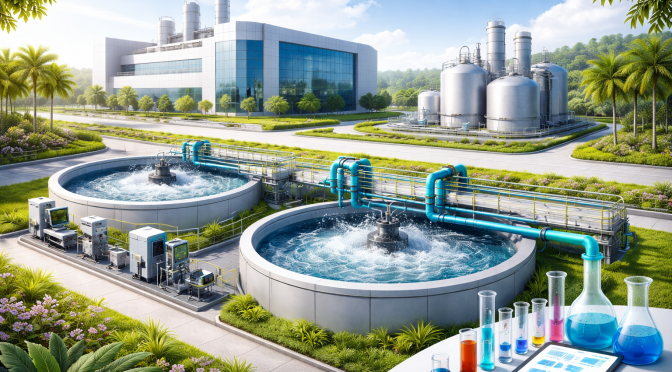
Pharmaceutical plants — whether bulk drug manufacturers, API producers, formulation units, or biotech facilities — generate effluent that cannot be safely discharged without treatment. Here is why an ETP is non-negotiable for every pharma unit.
Highly Toxic & Biologically Active Effluent Pharma wastewater contains residual APIs, antibiotics, hormones, and cytotoxic compounds that remain biologically active even at trace concentrations. These compounds are known to cause antibiotic resistance in water bodies, disrupt aquatic ecosystems, and contaminate drinking water sources. No municipal or common effluent treatment system is equipped to handle this level of biological activity without specialised treatment.
Extreme Organic Load — High COD & BOD Synthesis reactions, fermentation processes, and solvent recovery operations result in effluent with COD values often ranging from 5,000 to 50,000 mg/L — far beyond what conventional treatment can manage. Without an ETP designed for high-strength organic loads, untreated discharge will deplete dissolved oxygen in receiving water bodies and kill aquatic life. Biological treatment stages within an ETP are specifically engineered to bring these values within permissible limits.
Solvents, Heavy Metals & Hazardous Chemicals Organic solvents such as methanol, acetone, ethyl acetate, and dichloromethane are routinely used in API synthesis and must be recovered or treated before discharge. Certain manufacturing processes also introduce heavy metals — chromium, nickel, copper, and zinc — that are toxic, persistent, and bioaccumulative in the food chain. A properly designed ETP addresses both solvent loads and heavy metal precipitation through dedicated physico-chemical treatment stages.
Mandatory Regulatory Compliance Under the Environment Protection Act (1986) and the Water (Prevention and Control of Pollution) Act (1974), all pharmaceutical units must install and operate a functional ETP before discharging any trade effluent. Non-compliance invites closure notices, financial penalties, cancellation of environmental clearances, and criminal liability for responsible personnel. For bulk drug and API manufacturers, the CPCB has additionally mandated Zero Liquid Discharge (ZLD), making ETP investment a legal obligation rather than a choice.
Pharmaceutical Wastewater Treatment: Stage-by-Stage Process
A well-designed pharma ETP follows a multi-stage treatment train, with each stage targeting specific pollutants. Here is how the complete process works from inlet to outlet.
Screening & Equalisation
Raw pharmaceutical effluent enters the treatment system through mechanical bar screens that remove coarse solids, fibrous material, and packaging debris. The screened effluent is then collected in an Equalisation Tank (EQ Tank), which buffers flow rate fluctuations and averages out concentration spikes. This ensures a stable, consistent feed to all downstream treatment stages.
- Coarse suspended solids and debris removed
- Flow rate and volume stabilised
- pH and concentration spikes averaged out
Physico-Chemical Treatment
Equalised effluent undergoes pH correction through acid or alkali dosing, followed by coagulation and flocculation using ferric chloride or alum and polymer. The destabilised particles form settleable floc, which is separated in a tube settler or primary clarifier. Settled sludge is drawn off for further handling in the sludge management stage.
- Heavy metals precipitated and removed
- Colloidal matter and phosphorus eliminated
- Total Suspended Solids (TSS) significantly reduced
Biological Organic Degradation
Clarified effluent enters the biological treatment stage, where a microbial community breaks down dissolved organic matter under aerobic or anaerobic conditions. Depending on the COD load and effluent profile, SUSBIO deploys MBBR, SBR, ASP, or UASB reactors as appropriate. This stage delivers the largest reduction in BOD and COD across the entire treatment train.
- Biochemical Oxygen Demand (BOD) reduced by 90–95%
- Chemical Oxygen Demand (COD) substantially degraded
- Ammonia-nitrogen and total nitrogen treated
Polishing & Micropollutant Removal
Biologically treated effluent undergoes a polishing stage to remove residual colour, odour, trace organics, and biologically active pharmaceutical compounds. Sand filtration and activated carbon filtration (ACF) address colour and odour, while Advanced Oxidation Processes (AOP) — ozonation or UV/H₂O₂ — break down recalcitrant APIs and micropollutants. MBR or ultrafiltration membranes are added where effluent reuse quality is required.
- Residual COD, colour, and odour eliminated
- Active pharmaceutical ingredients (APIs) degraded
- Turbidity and fine suspended solids polished out
Tertiary-treated effluent is fed into a Reverse Osmosis (RO) system to recover 60–75% of water as process-reusable permeate. The RO reject is concentrated through a Multiple Effect Evaporator (MEE) and dried into solid cake via an Agitated Thin Film Dryer (ATFD), achieving zero liquid discharge. Sludge from all prior stages is dewatered using a filter press and disposed of through authorised TSDF routes under Hazardous Waste Management Rules.
- 60–80% of water recovered and recycled into the process
- Zero liquid effluent discharged to the environment
- Dewatered sludge safely disposed via authorised TSDF routes
Beyond environmental responsibility, installing an effluent treatment plant delivers measurable financial and strategic advantages that affect your bottom line.
A functional, well-operated ETP ensures continuous compliance with CPCB and SPCB discharge norms, protecting your environmental clearance and consent to operate. Without it, pharmaceutical units are exposed to closure notices, penalties, and loss of manufacturing licence. An ETP is the single most important safeguard for uninterrupted production operations.
ZLD-enabled ETPs allow pharmaceutical manufacturers to recover and recycle up to 80% of treated water back into the production process, significantly reducing freshwater procurement costs. At a time when water scarcity is intensifying across India’s industrial corridors, this capability directly reduces operational risk. Water recycling also demonstrates environmental stewardship to regulators, auditors, and international business partners.
Advanced tertiary treatment stages — AOP, MBR, and activated carbon filtration — ensure that biologically active compounds do not escape into the surrounding environment. This protects nearby communities, downstream water users, and aquatic ecosystems from pharmaceutical contamination. It also insulates your organisation from public interest litigation, NGO scrutiny, and reputational damage associated with environmental violations.
For pharmaceutical companies listed on stock exchanges or seeking partnerships with global innovators, a demonstrated commitment to responsible effluent management directly strengthens ESG ratings. Regulators, institutional investors, and international licensing partners increasingly audit environmental compliance as part of due diligence. A well-documented, high-performing ETP is tangible proof of your organisation’s commitment to sustainable manufacturing.
Water recycling via RO reduces freshwater procurement expenses, while energy recovery from anaerobic treatment stages in the form of biogas can offset power consumption. SCADA-based automation reduces dependence on manual operators and minimises the risk of human error causing non-compliance events. Over a 10-year horizon, a well-designed ETP consistently delivers a measurable return on investment beyond regulatory compliance alone.
SUSBIO Effluent Treatment Plant: The Superior Choice for Pharma Manufacturers
Engineered for Pharmaceutical Effluent — Not Adapted From It
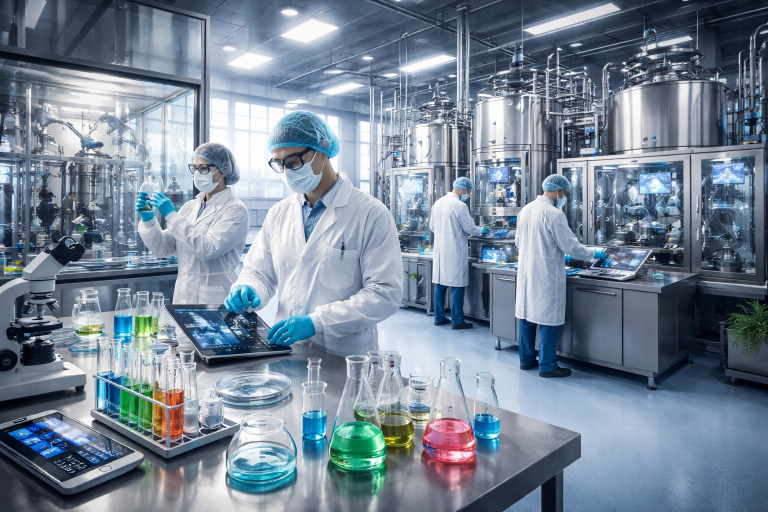
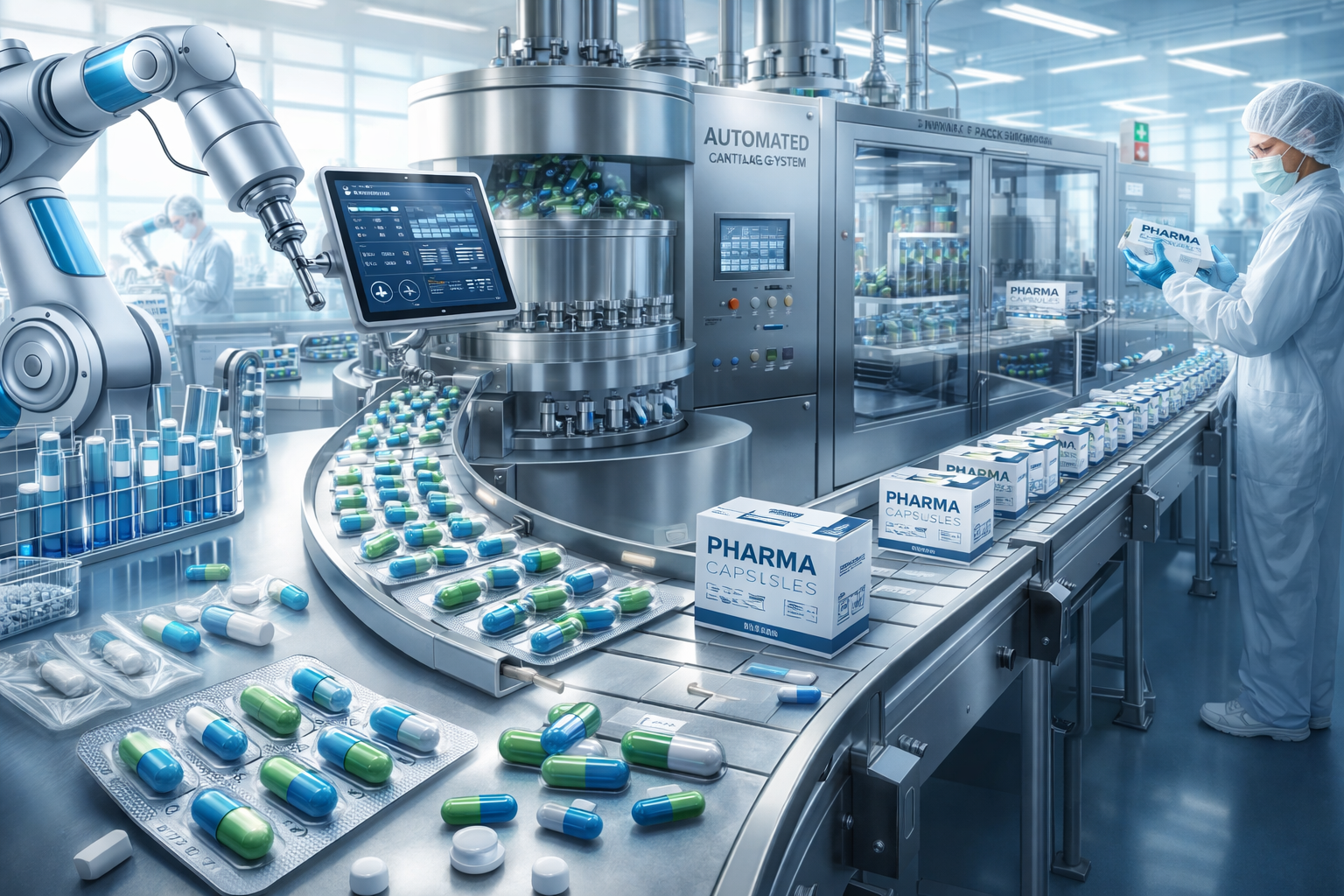
SUSBIO does not apply generic industrial ETP designs to pharmaceutical projects. Every system begins with a site-specific treatability study and detailed effluent characterisation — covering COD profile, API load, solvent content, and flow variation — before a single unit process is selected. This ensures your ETP is sized correctly, performs reliably from day one, and is built to meet your exact CPCB or SPCB consent conditions.
Turnkey Delivery From Design to Commissioning
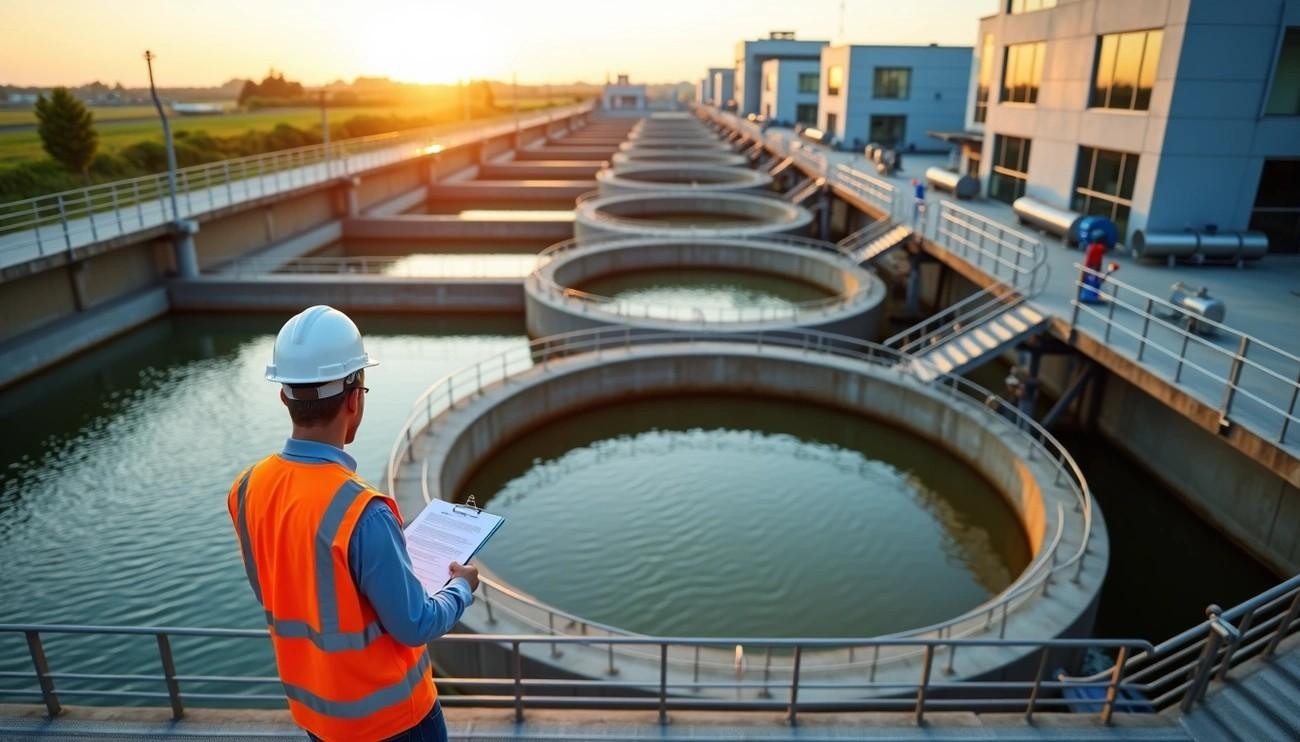
SUSBIO takes full project responsibility across every phase — process design, detailed engineering, civil construction, equipment procurement, installation, and commissioning. Our in-house team manages the entire project lifecycle, eliminating coordination gaps between multiple vendors. Once commissioned, your plant is handed over with operator training, O&M manuals, and a performance guarantee against agreed effluent quality standards.
Built-In Automation and Continuous Compliance Monitoring
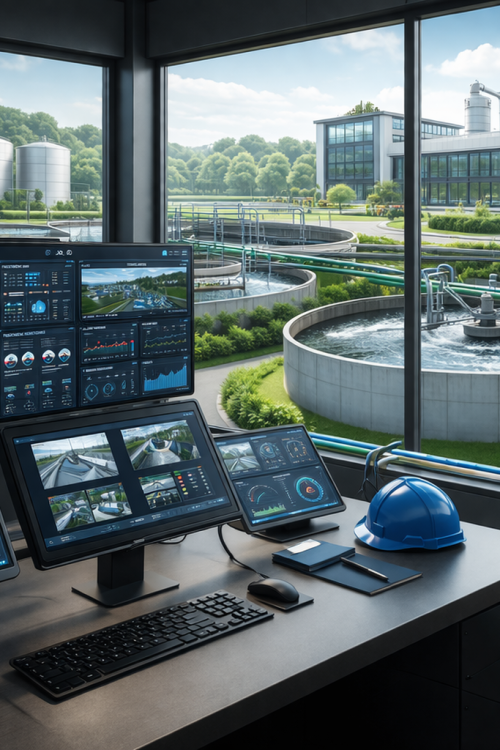
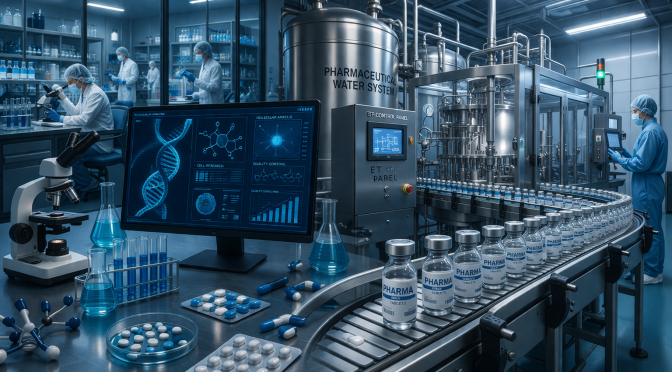
Every SUSBIO ETP is equipped with PLC/SCADA-based process automation, online effluent quality sensors for COD, pH, and TSS, and a remote monitoring dashboard accessible from any device. Automated dosing, alarm systems, and real-time data logging ensure consistent compliance without round-the-clock manual supervision. This also enables accurate submission of effluent monitoring data to pollution control boards as required under consent conditions.
Long-Term Support Through Annual Maintenance Contracts
SUSBIO’s relationship with clients does not end at commissioning. We offer structured Annual Maintenance Contracts (AMC) covering scheduled preventive maintenance, consumables and spares supply, process optimisation visits, and a dedicated technical helpdesk. For pharma units operating under strict consent conditions, this ongoing support ensures your ETP remains fully functional, compliant, and audit-ready at all times.
SUSBIO ETP at a Glance
| Parameter | SUSBIO Capability |
|---|---|
|
Treatment Capacity |
5 KLD to 500+ KLD |
|
COD Removal Efficiency |
Up to 99% |
|
ZLD Compliant |
Yes — MEE + ATFD |
|
Automation |
SCADA / PLC with remote monitoring |
|
Compliance Standard |
CPCB / SPCB discharge norms |
|
Delivery Model |
Turnkey — Design, Build, Commission |
|
Post-Commissioning Support |
AMC and O&M services available |



clients.












Yes. Under the Environment Protection Act (1986) and rules framed by the CPCB and SPCB, all pharmaceutical manufacturing units generating trade effluent are required to install and operate a functional ETP before discharge. Operating without an ETP or with a non-functional ETP is a punishable offence that can result in plant closure and criminal liability for responsible persons.
Zero Liquid Discharge (ZLD) means no treated wastewater is discharged outside the plant boundary — all water is recovered and recycled internally. The CPCB has mandated ZLD for bulk drug and API manufacturers in India. Formulation-only units may or may not require ZLD depending on the directives of their respective State Pollution Control Boards.
COD in pharma effluent varies widely — from around 2,000 mg/L in formulation units to over 50,000 mg/L in API synthesis plants. SUSBIO conducts site-specific treatability studies to accurately characterise your effluent before designing the treatment train, ensuring the system is neither under-designed nor over-engineered.
A typical pharma ETP takes 4 to 8 months from design sign-off to commissioning, depending on system capacity, treatment complexity, and civil construction scope. Modular or packaged systems can be deployed faster where site conditions permit.
Yes. SUSBIO regularly undertakes ETP upgradation and retrofitting projects — adding tertiary treatment stages such as AOP, MBR, RO, or MEE to existing systems to meet revised discharge standards or achieve ZLD compliance. An audit of your current system is the starting point for any upgrade project.
Key parameters under CPCB General Standards include pH 6.5–8.5, BOD not exceeding 30 mg/L, COD not exceeding 250 mg/L, TSS not exceeding 100 mg/L, and specific limits on heavy metals and toxic substances. State PCBs may specify stricter standards based on the sensitivity of the receiving water body.
Yes. SUSBIO offers Annual Maintenance Contracts (AMC), spare parts and consumables supply, scheduled process audits, and a dedicated technical helpdesk. This ensures your ETP stays operationally compliant, well-maintained, and ready for pollution control board inspections at all times.
Yes. With a properly designed tertiary treatment and RO system, treated water can be reused for cooling towers, utility washing, gardening, and — with ZLD — directly back into the manufacturing process. This significantly reduces freshwater dependency and lowers long-term water procurement costs.