
Why Do Vehicle Washing Stations Need an ETP?
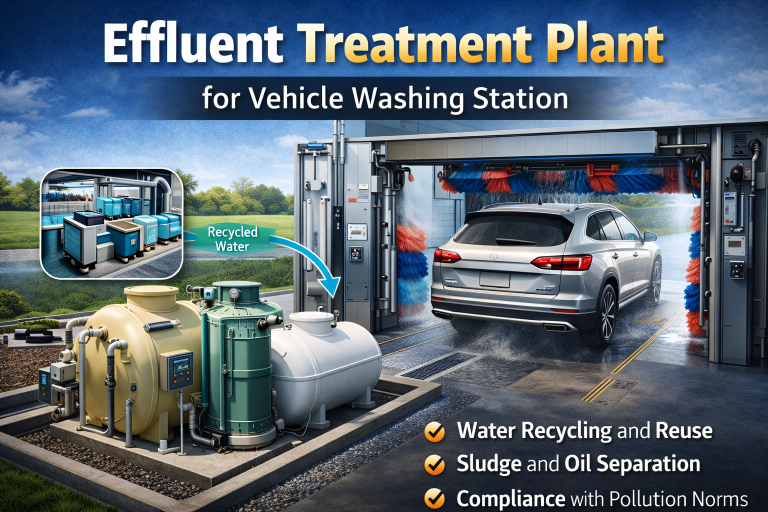
Vehicle washing generates wastewater that is far more polluted than it appears. Every wash cycle strips oils, greases, heavy metals, detergents, and road grime from vehicle surfaces and carries them into the discharge stream. Here is why an ETP is essential for every washing station.
Oil, Grease & Hydrocarbon Contamination Wash water from vehicles — particularly trucks, buses, and heavy equipment — contains significant concentrations of engine oil, lubricating grease, diesel residues, and hydrocarbon compounds. These substances float on water surfaces, coat riverbeds, and are toxic to aquatic life even at low concentrations. Discharge of oily wastewater without treatment is a direct violation of pollution control norms and a serious environmental hazard.
Detergents & Surfactants Commercial vehicle washing relies heavily on soaps, detergents, degreasers, and surfactants to remove road grime and grease from vehicle surfaces. These chemicals are persistent in the environment, generate foam in water bodies, reduce dissolved oxygen levels, and are harmful to aquatic ecosystems. Without treatment, surfactant-laden wash water causes long-term damage to drainage infrastructure and receiving water bodies.
Heavy Metals & Road Grime Vehicle surfaces accumulate road dust, brake pad particles, tyre rubber residues, and exhaust deposits — all of which contain heavy metals such as lead, zinc, copper, and cadmium. When washed off during cleaning, these metals enter the wastewater stream and, if untreated, contaminate soil and groundwater in the surrounding area. Heavy metals are non-biodegradable, bioaccumulative, and regulated under CPCB discharge standards.
Mandatory Regulatory Compliance Under the Environment Protection Act (1986) and Water (Prevention and Control of Pollution) Act (1974), vehicle washing stations are classified as trade effluent generators and must treat their wastewater before discharge. State Pollution Control Boards (SPCBs) increasingly enforce compliance at commercial washing facilities, and non-compliant units face closure notices, fines, and legal action. Installing a functional ETP is the only legally accepted means of managing wash water discharge.
Vehicle Washing Station Wastewater Treatment: Stage-by-Stage Process
A well-designed ETP for vehicle washing stations follows a structured multi-stage treatment train, with each stage targeting specific pollutants present in wash water. Here is how the complete process works from inlet to outlet.
Screening & Grit Removal
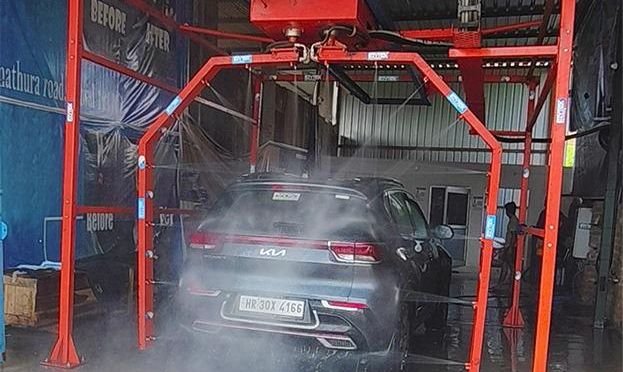
Wash water from the cleaning bay flows into the collection channel, passing first through a coarse screen that removes large solid debris — sand, gravel, leaves, and vehicle-borne solids. A grit chamber then allows heavy particles such as road dust, tyre rubber, and fine sand to settle by gravity before the water proceeds further. This protects downstream equipment from abrasion and blockage, and prevents rapid accumulation of solids in treatment tanks.
- Large debris and solids physically removed
- Heavy grit and road particles settled out
- Downstream equipment protected from blockage
Oil & Grease Separation
Pre-screened wastewater enters an Oil & Grease Trap or API Separator, where differences in specific gravity cause free-floating oils, greases, and hydrocarbons to rise to the surface and are skimmed off. The separated oil is collected for disposal or recycling through authorised channels, while the de-oiled effluent proceeds to further treatment. For washing stations with high oil loads, a Dissolved Air Flotation (DAF) unit is added to remove emulsified oils that do not separate by gravity alone.
- Free-floating oils and greases physically separated
- Emulsified hydrocarbons removed via DAF
- Recovered oil collected for authorised disposal
Physico-Chemical & Biological Treatment
De-oiled effluent undergoes pH correction followed by coagulation and flocculation to remove residual suspended solids, heavy metals, and colloidal matter. For washing stations with significant detergent and organic loads, a biological treatment stage — typically an MBBR or activated sludge system — is integrated to biodegrade surfactants and residual organics. This combined physico-chemical and biological stage brings BOD, COD, TSS, and heavy metal concentrations within permissible discharge limits.
- Residual heavy metals precipitated and removed
- Surfactants and organic compounds biodegraded
- BOD, COD, and TSS reduced to compliant levels
Polishing & Effluent Quality Finishing
Treated effluent passes through a sand filter and activated carbon filter (ACF) to remove residual colour, odour, turbidity, and trace contaminants that remain after biological treatment. This polishing stage ensures the treated water consistently meets CPCB and SPCB discharge standards for pH, BOD, COD, oil & grease, and suspended solids. Where water recycling is the objective, ultrafiltration (UF) membranes are added to produce wash-quality recycle water.
- Residual colour, odour, and turbidity removed
- Trace oils and contaminants polished out
- Treated water brought to discharge or reuse standard
Treated Water Reuse & Safe Solid Waste Disposal
Polished effluent is stored in a treated water tank and recycled back to the washing bays via a pressurised supply system, reducing freshwater consumption by 60–80% depending on wash cycle configuration. Sludge collected from the oil trap, clarifier, and biological stages is periodically dewatered using a filter press or sludge drying bed, producing a dry cake for disposal. Oily sludge is classified as hazardous waste and disposed of through authorised TSDF channels in compliance with Hazardous Waste Management Rules.
- 60–80% of treated water recycled back to washing bays
- Sludge dewatered and volume reduced for handling
- Oily sludge safely disposed via authorised TSDF routes
Beyond environmental responsibility, installing an effluent treatment plant delivers measurable financial and strategic advantages that affect your bottom line.
A functional ETP ensures your washing station meets CPCB and SPCB discharge norms, protecting your trade licence and consent to operate. Non-compliant facilities risk closure notices, financial penalties, and reputational damage that directly impacts revenue. An ETP is the most reliable safeguard against regulatory action and operational disruption.
By recycling 60–80% of treated wash water back into the cleaning bays, an ETP with a recycle loop drastically reduces your dependence on freshwater supply. For high-volume washing stations processing hundreds of vehicles daily, this translates into significant cost savings on water procurement and drainage charges. Water recycling also insulates your operations from water scarcity and supply disruptions.
Untreated wash water containing oils, heavy metals, and detergents contaminates storm drains, groundwater, and nearby water bodies — causing lasting damage to local ecosystems and public health. Installing an ETP eliminates this risk, ensuring your facility does not become a source of neighbourhood pollution complaints or environmental litigation. This protects both the surrounding community and your business from long-term liability.
ETP systems designed for vehicle washing stations are compact, modular, and optimised for sites with limited space. SUSBIO designs systems that fit within the existing footprint of the washing facility, with minimal civil construction and simple daily operation. Automated controls reduce the need for dedicated technical operators, keeping running costs low.
Customers, fleet operators, and corporate clients are increasingly selective about environmentally responsible service providers. A washing station with a visible, functional ETP and a water recycling system signals professionalism, environmental responsibility, and long-term business credibility. This is a meaningful differentiator in competitive urban and highway markets.
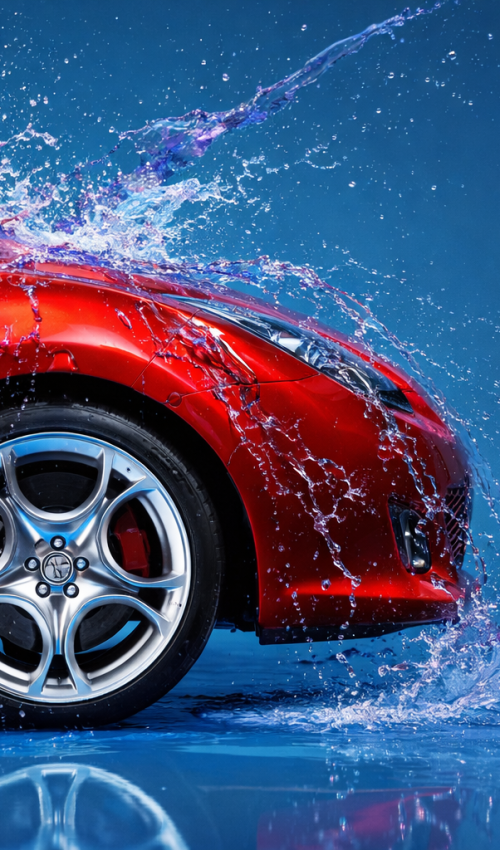
SUSBIO Effluent Treatment Plant: The Superior Choice for Vehicle Washing Stations
Engineered for Wash Water — Not Adapted From It
SUSBIO does not apply generic industrial ETP designs to vehicle washing projects. Every system is designed around the specific wash volumes, vehicle types, detergent usage, and site layout of your facility — whether it is a standalone car wash, a highway truck cleaning station, or a large fleet maintenance yard. This site-specific approach ensures accurate sizing, reliable performance, and full compliance from day one of operation.
Turnkey Delivery From Design to Commissioning
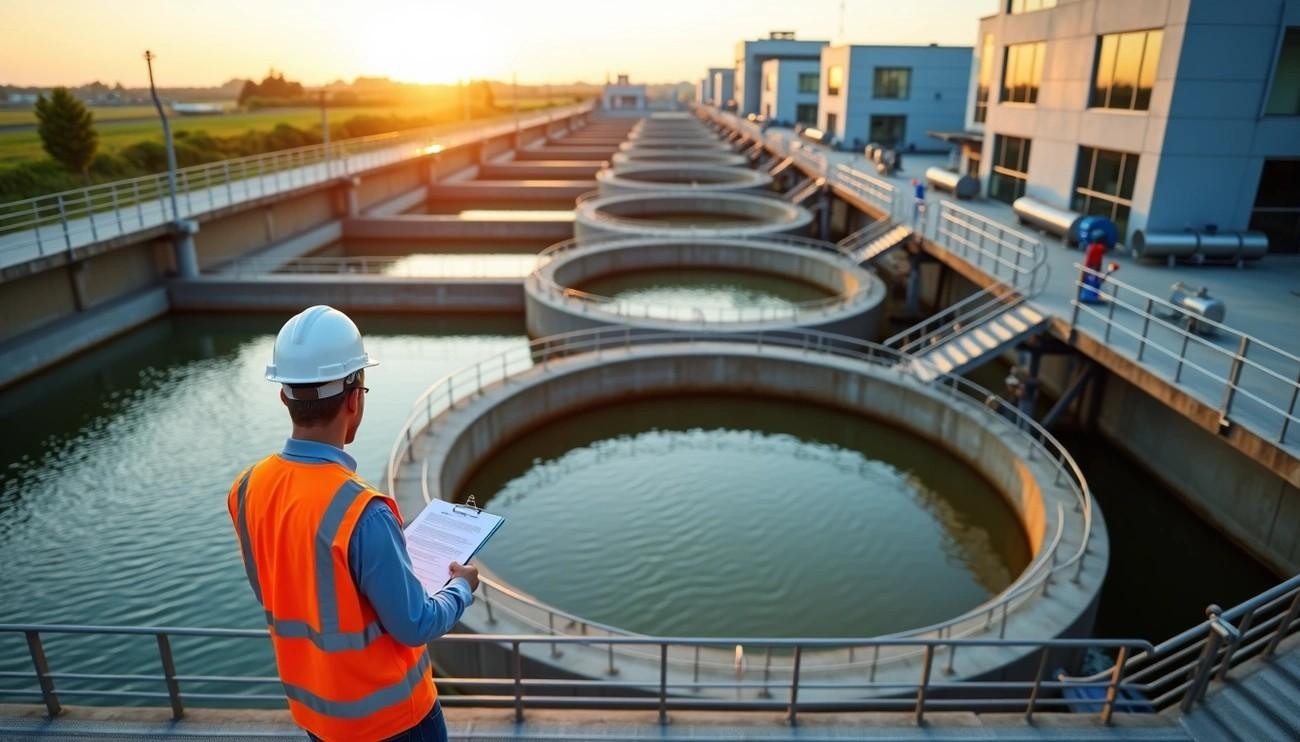
SUSBIO takes full project responsibility across every phase — process design, civil layout, equipment supply, installation, and commissioning. Our in-house team manages the entire project lifecycle, eliminating the coordination burden of managing multiple contractors. Once commissioned, your system is handed over with operator training, O&M documentation, and a performance guarantee against agreed discharge standards.
Compact Design With Water Recycling Built In
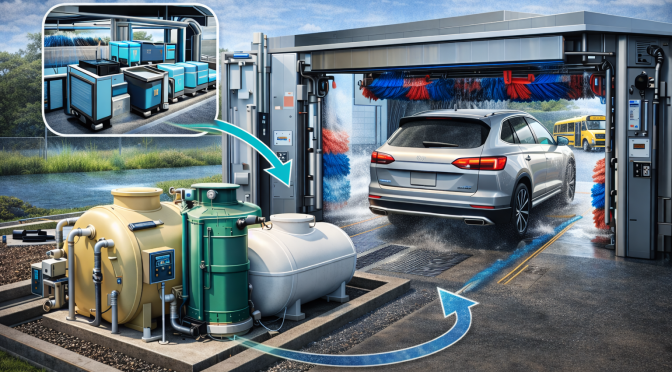
SUSBIO’s ETP systems for washing stations are designed from the outset to maximise treated water recycling, minimising your freshwater dependency and operating costs. Our compact, modular units are engineered to fit within the space constraints typical of urban car washes, highway facilities, and fleet yards — without compromising treatment performance. The recycled water supply system is integrated directly with your washing bay infrastructure for seamless day-to-day operation.
Long-Term Support Through Annual Maintenance Contracts
SUSBIO’s relationship with clients does not end at commissioning. We offer structured Annual Maintenance Contracts (AMC) covering scheduled preventive maintenance, consumables and spares supply, process optimisation visits, and a dedicated technical helpdesk. This ensures your ETP remains fully operational, compliant, and ready for pollution control board inspections at all times.
SUSBIO ETP at a Glance
| Parameter | SUSBIO Capability |
|---|---|
|
Treatment Capacity |
1 KLD to 100+ KLD |
|
Oil & Grease Removal |
Up to 99% |
|
Water Recycling |
60–80% of treated water reused |
|
Footprint |
Compact & modular — fits existing sites |
|
Compliance Standard |
CPCB / SPCB discharge norms |
|
Delivery Model |
Turnkey — Design, Build, Commission |
|
Post-Commissioning Support |
AMC and O&M services available |



clients.














Yes. Vehicle washing stations are classified as trade effluent generators under the Water (Prevention and Control of Pollution) Act (1974). State Pollution Control Boards require washing facilities to treat their wastewater before discharge into drains or water bodies. Operating without a functional ETP is a punishable offence that can result in closure and penalties.
A well-designed ETP with a tertiary polishing and recycling loop can recover and reuse 60–80% of wash water, depending on vehicle type, detergent usage, and wash cycle configuration. This significantly reduces freshwater consumption and water procurement costs for high-volume facilities.
A vehicle washing ETP is designed to remove free and emulsified oils and greases, surfactants and detergents, heavy metals such as lead, zinc, and copper, suspended solids, road grime, and BOD and COD from wash water. The treated effluent meets CPCB General Standards for discharge or reuse.
SUSBIO designs compact, modular ETP systems that can be installed within the existing footprint of most washing facilities. The exact footprint depends on treatment capacity and the inclusion of a water recycling loop, but systems are routinely commissioned in constrained urban sites and highway locations.
A typical washing station ETP can be installed and commissioned within 6 to 12 weeks from design sign-off, depending on system capacity and site conditions. Packaged modular units can be deployed faster where civil construction is minimal.
Key parameters include pH 6.5–8.5, oil and grease not exceeding 10 mg/L, BOD not exceeding 30 mg/L, TSS not exceeding 100 mg/L, and specific limits on heavy metals. State PCBs may enforce stricter standards depending on the sensitivity of the local drainage or water body receiving the discharge.
Yes. The equalisation stage at the front of the treatment train is specifically designed to absorb peak flow periods — such as morning rush hours or weekends — and feed a stable, consistent volume to downstream treatment units. SUSBIO sizes the equalisation tank based on your peak daily wash volumes.
Yes. SUSBIO offers Annual Maintenance Contracts (AMC) covering preventive maintenance schedules, consumables and spares, process checks, and technical helpdesk support. This ensures your ETP stays compliant and operational without requiring in-house technical expertise.