

Waste water management poses major challenges throughout the world. Half of all facilities say they face community-related problems. Communities now better understand how waste management affects environmental health, and their expectations continue to evolve.
Informed and engaged communities support wastewater infrastructure investments more readily. They follow regulations and help protect water resources. Wastewater treatment plays a vital role in environmental protection. This becomes even more apparent considering that over 600 million people in India face water shortages, and much of their surface water contains contaminants. Good wastewater treatment not only protects the environment but also creates sustainable water resources for communities that need them most.
This piece explores the importance of community backing for waste water management projects. We’ll look at the benefits of community-led approaches and practical ways to build initiatives that communities can drive for lasting results.
Why Community Involvement Matters in Wastewater Management
People barely understand how wastewater services work in their communities. This lack of awareness makes it hard to get public support for better infrastructure, especially when you have to fund these vital projects.
Understanding what is waste water management
Waste water management deals with collecting, treating, and reusing wastewater. This process keeps natural water bodies clean and protects both environmental and public health. Nearly half of all wastewater ends up in the environment without proper treatment. The need for better management systems has never been more pressing.
Clean water serves two main purposes: human consumption and protecting natural water bodies after use. The system has to handle water from homes, farms, and industries. Each source brings different pollutants that need specific cleaning methods.
The move from centralized to community-led systems
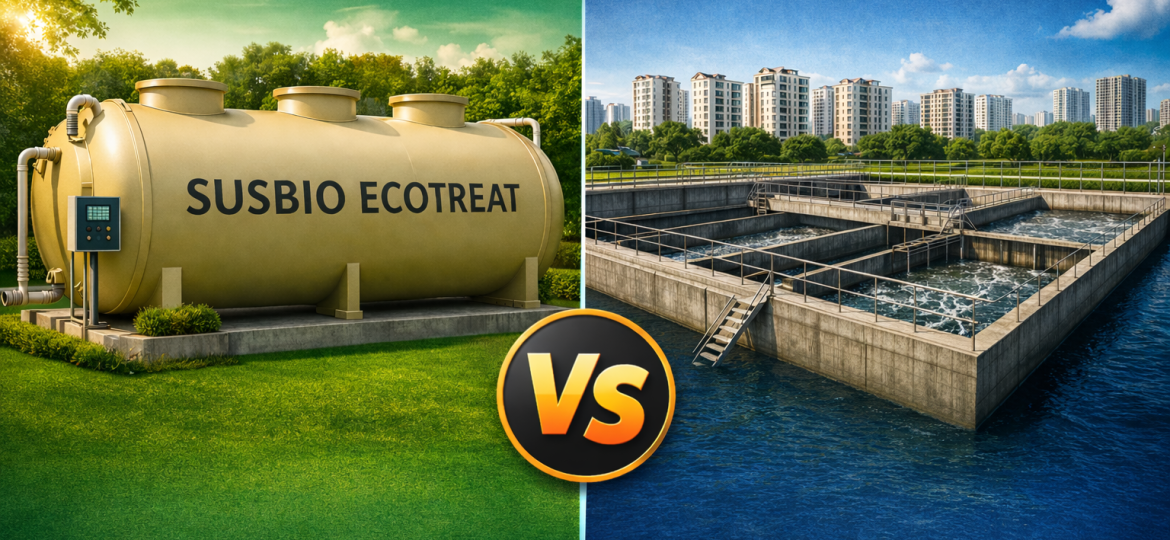
Developing countries often can’t afford traditional centralized systems, which lead to heavy debt burdens. In contrast, local community-led wastewater management offers a more sustainable solution.
Communities that participate develop a sense of ownership. They become more likely to maintain infrastructure and save water resources. Furthermore, this approach offers:
- Quicker setup than large municipal projects
- Budget-friendly operation with lower setup costs
- Better long-term success through community care
- Ways to reuse water for gardens and landscaping
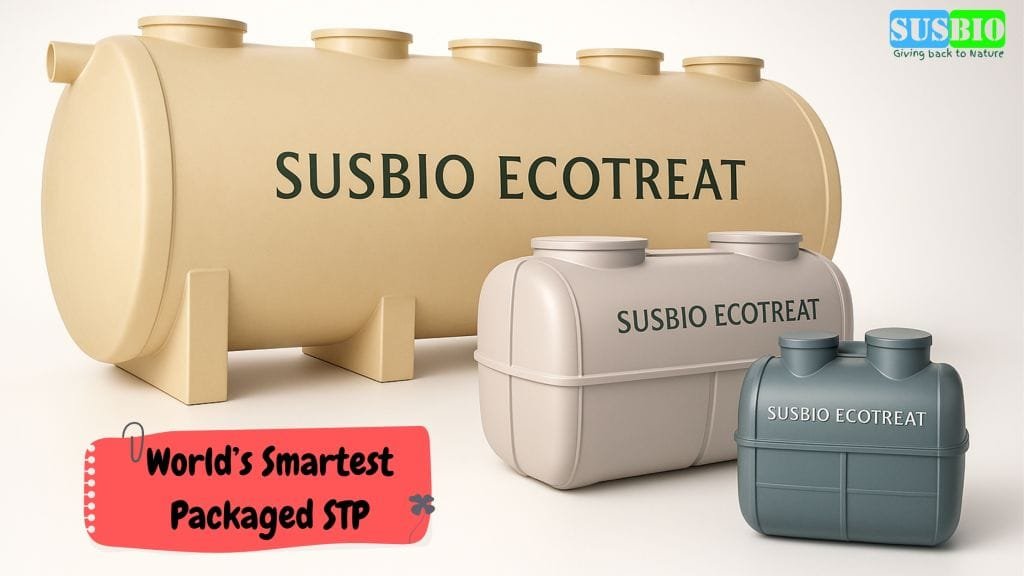
Advanced solutions like SUSBIO ECOTREAT represent the success of local approaches. This works well in areas with water shortages where treated water helps create local water economies through landscaping and flushing.
The importance of wastewater treatment for public health
Untreated wastewater spreads dangerous pathogens that cause cholera, hepatitis, and stomach infections. More than 4 billion people worldwide don’t have proper sanitation systems. Many live in poor rural areas.
Good treatment removes harmful chemicals like lead, mercury, and pesticides. These substances cause serious health issues if people keep taking them. Communities that use effective wastewater management see fewer health risks, spend less on healthcare, and enjoy a better life.
The clear benefits have made community-driven projects essential parts of sustainable wastewater infrastructure, especially in rural and developing areas.
Key Benefits of Community Support in Wastewater Projects

Community involvement creates powerful advantages in waste water management projects. Here are the specific benefits that make community-supported approaches work so well.
1. Lower costs through local labor and resources
At the time communities take part in wastewater projects, they bring valuable local resources that cut down expenses. Labor-Resource-Based approaches make the best use of local materials, skills, and technologies without compromising quality or affordability. On top of that, decentralized systems don’t need extensive sewage networks, which cuts investment costs. These community-managed systems show impressive cost benefits with lower capital and operational expenses.
2. Better system maintenance and longevity
Systems that run well meet compliance standards and work efficiently. The community’s sense of ownership builds a strong foundation that keeps systems running longer. A well-trained local team delivers great value over the years by running facilities properly. Poor training or inadequate staffing often results in compliance issues and possible fines. Quality training and ongoing education are vital investments that ensure long-term success.
3. Faster decision-making and implementation
Projects move faster when communities take the lead. These decentralized, community-managed wastewater systems take less time to set up than large municipal projects. Local stakeholders can make quick decisions without dealing with extensive bureaucracy. This helps communities tackle their wastewater challenges right away.
4. Tailored solutions for local needs
Every community has its own unique requirements that standard approaches might miss. Community-led projects allow solutions that fit local conditions perfectly. Advanced systems like SUSBIO ECOTREAT represent this flexibility as a future-ready packaged STP solution. Each decentralized system matches local climatic conditions, esthetic requirements, and water quality goals.
5. Increased environmental awareness and education
People learn more about their environment through hands-on participation. A study showed that 145 people joined a community awareness campaign about wastewater management, including 88 women—showing strong female participation in water initiatives. Education campaigns help communities learn about health risks from wastewater and sustainable treatment options. People connect better with water treatment services when they become part of their daily lives.
How to Build a Community-Driven Wastewater Management Project
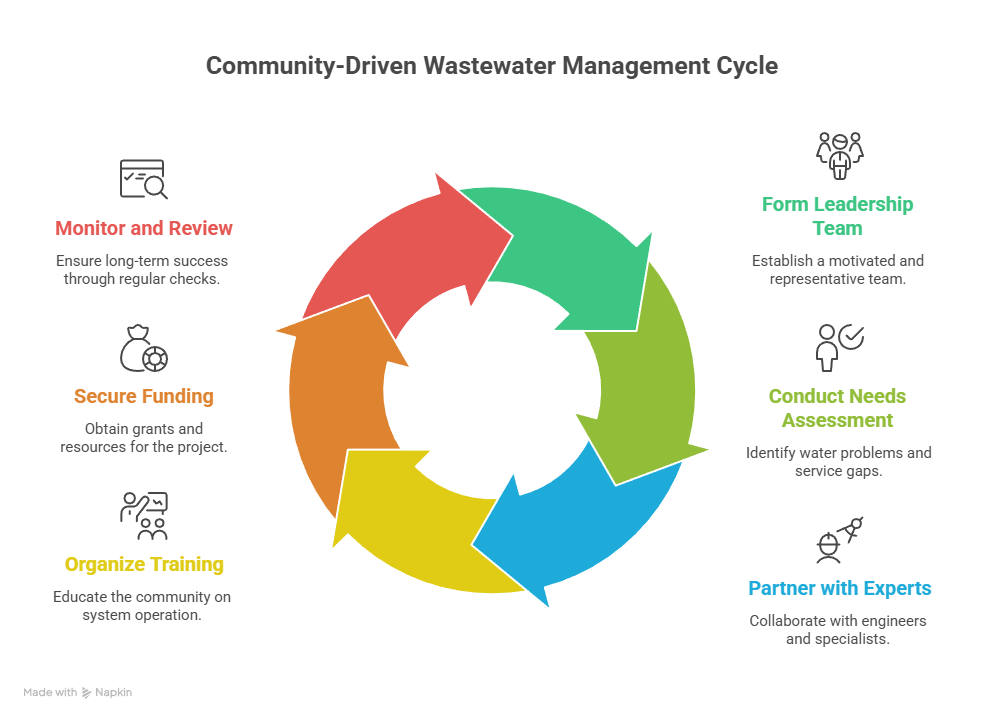
Building successful community-driven wastewater management projects needs a well-laid-out approach. Communities worldwide have shown us a practical roadmap that creates eco-friendly systems serving local needs.
1. Forming a local leadership team
Every community project starts with finding capable and motivated people who can champion the cause. Local leadership’s strength guarantees project continuity and community support. The team should represent the community’s varied views while focusing on the project’s technical needs.
2. Conducting a needs assessment
The team should run surveys and discussions to understand existing water problems before implementation. The Community WASH Needs Assessment Guide helps review current conditions against required standards. This step identifies service gaps and creates baseline data to measure improvements.
3. Partnering with technical experts
Working with environmental engineers or sanitation specialists helps develop sound technical plans. The EPA and various technical assistance programs provide resources specifically for small and rural communities. These strategic collaborations bring expert knowledge while keeping solutions suitable for local conditions.
4. Organizing training and awareness programs
Community understanding grows through educational initiatives. The programs should include workshops that show system operation and maintenance procedures. Field-based training with hands-on demonstrations works best, especially when you have to address misconceptions about wastewater treatment and reuse.
5. Securing funding and materials
Teams can find funding through government grants, CSR initiatives, and community pooling. The USDA’s Revolving Funds support rural wastewater projects. Local materials help reduce costs and ensure sustainability.
6. Monitoring and reviewing the system
Clear maintenance roles and regular performance reviews lead to long-term success. Systems like SUSBIO ECOTREAT come with automated controls that make monitoring easier for non-experts. These features make them perfect for community-managed systems.
Overcoming Common Challenges in Community-Led Projects
Community-led wastewater management projects offer promising benefits but face major hurdles. Notwithstanding that, good planning helps overcome these obstacles.
Lack of technical knowledge
Communities without laboratories need suitable testing methods. These programs help community members run systems without needing advanced expertise.
Funding limitations and how to bridge them
Budget constraints hold back small and rural communities from maintaining their facilities. Several funding options can help:
- The Clean Water State Revolving Fund (CWSRF) gives low-interest loans tailored to small communities
- USDA Rural Development programs provide grants and loans to upgrade water utilities in small, rural and tribal communities
- Communities can pool resources and tap into CSR initiatives for extra support
Resistance from within the community
Skeptical residents and those against proposed plans often resist community projects. “Not in my backyard” attitudes slow down projects and drive up costs. Early public involvement during planning helps address resistance. Clear communication about benefits and meaningful participation in decisions make a difference.
Legal and compliance issues
Projects need regulatory compliance to get infrastructure funding. Breaking rules can result in fines, legal trouble, or lost permits. Good relationships with regulatory agencies help communities understand compliance needs and rule changes.
Maintenance and role clarity
Poor recordkeeping wastes staff resources. Clear maintenance roles and regular performance checks drive long-term success. Systems like SUSBIO ECOTREAT run automatically. This makes monitoring easier for non-experts and works great for community-managed systems.
Conclusion
Local communities play a vital role in successful wastewater management projects. Our research shows that community involvement changes these initiatives from basic infrastructure into lasting community assets. Projects become budget-friendly, stay well-maintained and get implemented faster when local residents take ownership of their wastewater systems.
A remarkable transformation has occurred as communities lead their own systems instead of relying on traditional centralized approaches. Local solutions now address specific community needs while reducing costs effectively. The benefits extend beyond economics – residents enjoy better public health, environmental protection and water conservation.
SUSBIO ECOTREAT represents this transformation as the most advanced packaged STP solution available today. Communities find this future-ready technology valuable because it balances sophisticated treatment with simple operation, especially when they have limited technical expertise.
The advantages of community-driven approaches without doubt surpass challenges like funding constraints, knowledge gaps and occasional resistance. This piece outlines practical steps that create a clear path for communities ready to act. Strong local leadership teams and reliable monitoring systems are the foundations of successful implementation.
Wastewater management’s future depends equally on technological progress and community participation. People become active contributors once they understand their role in protecting water resources. This powerful combination of community action and innovative technologies like SUSBIO ECOTREAT will build resilient and sustainable wastewater systems that benefit future generations.
Key Takeaways
Community-driven wastewater management projects deliver superior results through local ownership, cost efficiency, and sustainable operations. Here are the essential insights for successful implementation:
- Community involvement reduces costs by 30-50% through local labor, resources, and elimination of extensive sewage networks in decentralized systems.
- Local ownership ensures better maintenance and longevity – well-trained community staff deliver substantial long-term value compared to poorly maintained centralized facilities.
- Decentralized systems enable faster implementation than large municipal projects by eliminating bureaucratic delays and enabling rapid local decision-making.
- Tailored solutions address specific local needs better than standardized approaches, with custom designs for climate, esthetics, and water quality objectives.
- Strong leadership teams and technical partnerships are essential – combine motivated local champions with environmental engineers to ensure both community buy-in and technical soundness.
- Multiple funding sources exist for rural communities including Clean Water State Revolving Funds, USDA Rural Development programs, and community resource pooling to overcome budget constraints.
The success of community-led wastewater projects depends on early engagement, transparent communication, and clear role definitions for maintenance. When communities understand their stake in protecting water resources, they transform from passive consumers into active stewards of sustainable infrastructure.
Frequently Asked Questions
Q1. Why is community involvement crucial for successful wastewater management projects?
Community involvement is essential because it leads to lower costs, better system maintenance, faster implementation, and solutions tailored to local needs. When communities are engaged, they contribute local resources, take ownership of the project, and ensure its long-term sustainability.
Q2. How does community participation in wastewater management benefit the environment?
Community participation increases environmental awareness and education. It helps residents understand the connection between wastewater treatment and environmental health, leading to better compliance with regulations and active participation in protecting water resources.
Q3. What are the key steps to build a community-driven wastewater management project?
The key steps include forming a local leadership team, conducting a needs assessment, partnering with technical experts, organizing training programs, securing funding and materials, and establishing a monitoring system. These steps ensure community buy-in and project sustainability.
Q4. How can small communities overcome funding limitations for wastewater projects?
Small communities can access various funding options, including the Clean Water State Revolving Fund (CWSRF), USDA Rural Development programs, and community resource pooling. These sources offer low-interest loans and grants specifically designed for small and rural communities.
Q5. What are the advantages of decentralized wastewater systems for communities?
Decentralized systems offer several advantages, including lower capital and operational costs, faster implementation compared to large municipal projects, better sustainability through community maintenance, and opportunities for water reuse in irrigation and landscaping. They can also be custom-designed to suit local conditions and needs.