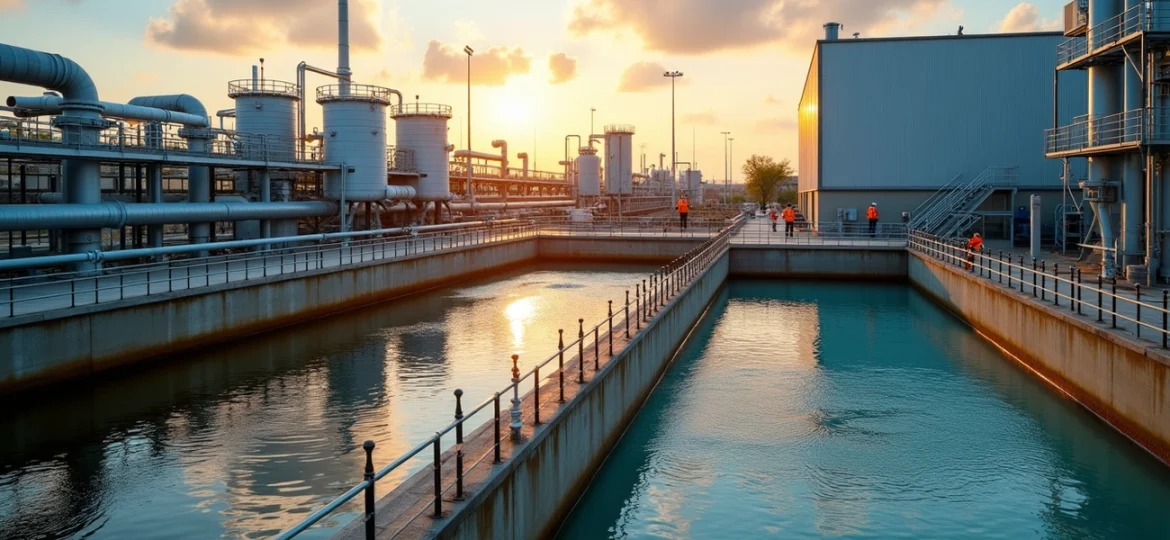


Conventional wastewater treatment technologies fail to meet required criteria more often. Rapid urbanization and technological advancements have propelled development in agriculture, petrochemicals, pharmaceuticals and biotechnology industries. All of these generate complex wastewater compositions during manufacturing. This pressing need for innovative, affordable and eco-friendly solutions has accelerated the development of advanced wastewater treatment technologies. The focus has changed to efficiency, intelligence and sustainability by 2026. Artificial Intelligence and IoT sensors enable immediate monitoring, predictive maintenance and automated process optimization. We’ll explore the types of wastewater treatment technologies available, from mechanical systems to innovative wastewater treatment solutions. This helps you select the right industrial wastewater treatment technologies for your facility.
Evaluating New Wastewater Treatment Technologies for Industrial Use
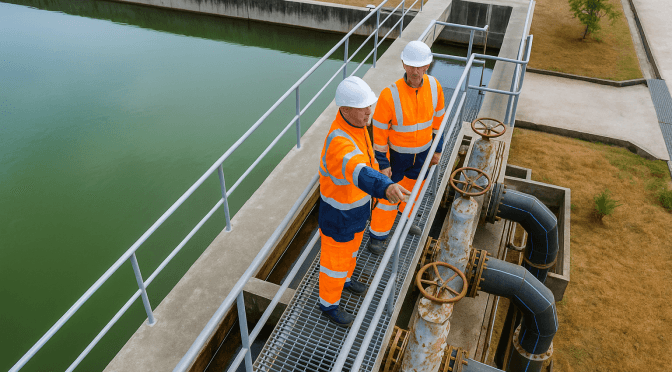
Industrial facilities face critical decisions when selecting wastewater treatment technologies that fit operational demands, regulatory requirements and long-term sustainability goals.
Centralized vs. Decentralized Treatment Systems
Centralized treatment plants serve areas with concentrated populations and handle much larger volumes than decentralized systems. These facilities need extensive networks of pipes and pumps to collect wastewater, which can account for 75% of the capital expenditure when establishing treatment plants. Centralized systems use economies of scale. But they consume a lot of energy to pump wastewater over long distances, contributing to higher greenhouse gas emissions and a larger carbon footprint.
Decentralized treatment operates close to the point where wastewater is generated. This eliminates the need for long pipe networks. The proximity reduces energy consumption and provides greater flexibility to adapt to local conditions. Manufacturers often determine that smaller facilities benefit from decentralized approaches to reduce complexity, while larger operations prefer on-site treatment configurations to reduce compliance costs. Decentralized systems demonstrate particular value in areas with challenging terrain or where rapid implementation is needed.
Technology Selection Based on Wastewater Composition
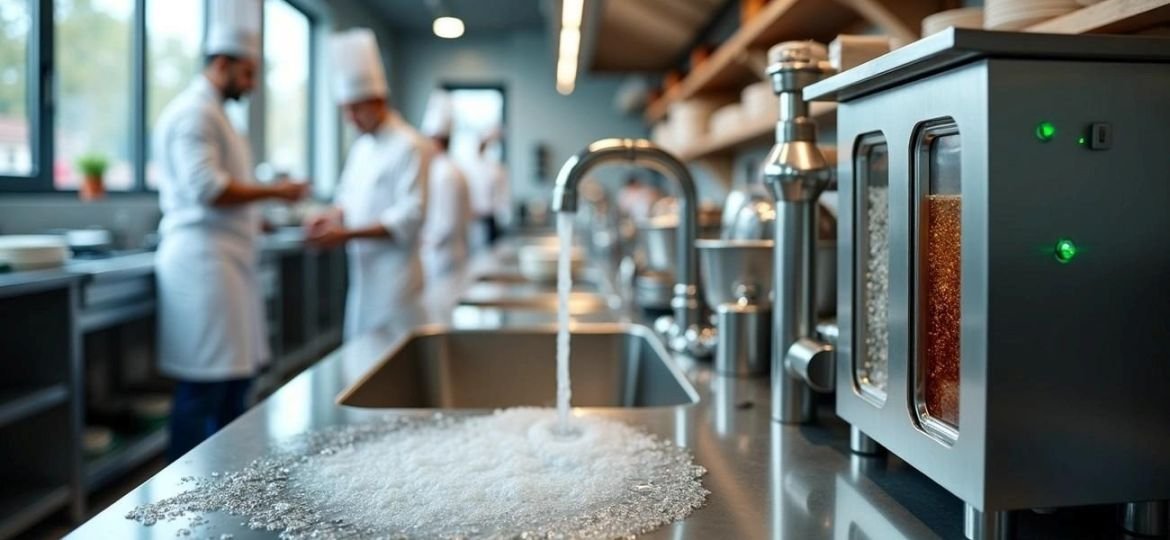
Wastewater characteristics vary widely depending on industrial processes. Textile factories generate effluent rich in dyes and chemicals. Food processing plants produce water with high organic content. The contamination types need different removal strategies. The core parameters include Chemical Oxygen Demand (COD), Biochemical Oxygen Demand (BOD), suspended solids and pH levels. Toxic pollutants such as heavy metals or solvents also matter. Food and agriculture wastewater is biodegradable and non-toxic but exhibits high BOD and suspended solids. The constituents are often complex to predict due to variations in effluents from vegetable, fruit and meat products.
Flow Rate and Loading Capacity Considerations
Determining design flow and loadings ranks among the most important planning items for wastewater treatment facilities. Engineers must account for average and peak flow rates, which influence the size and configuration of treatment units. A minimum of 100 gallons per capita per day should be used when actual flow data is unavailable. Flow variability influenced by season, weather conditions and industrial activities presents management challenges. Loading parameters of interest include annual average loading, maximum month loading and maximum week loading. Peak day loading for BOD5 and TSS also matters. Retention time refers to the duration wastewater spends in each treatment stage. It determines tank sizes and makes treatment work, with longer periods needed for complex wastewater compositions.
Core Industrial Wastewater Treatment Technologies
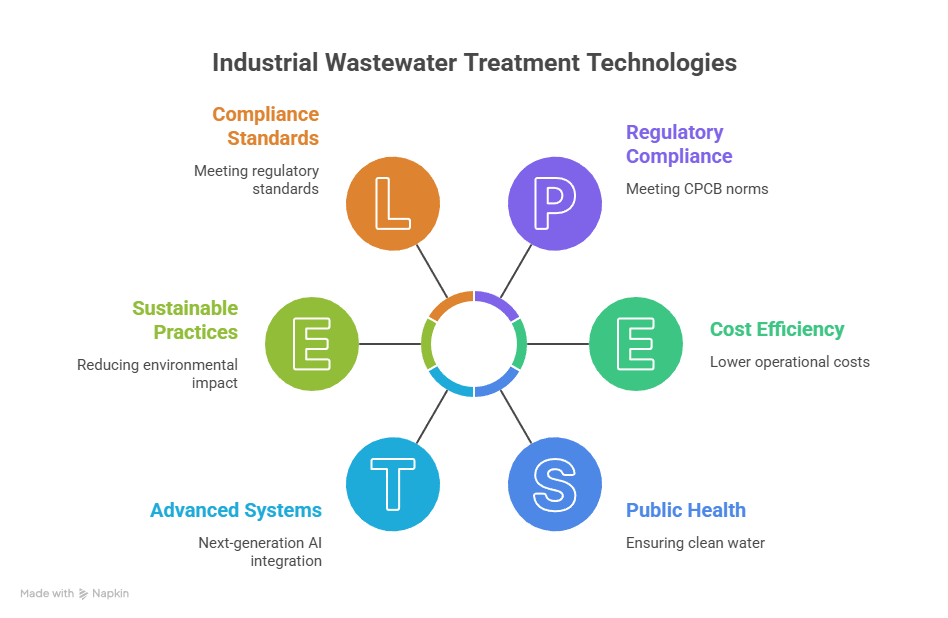
Modern industrial facilities have access to a variety of wastewater treatment technologies. Each one addresses specific contamination challenges and operational requirements.
Mechanical Treatment Systems: Activated Sludge and SBR
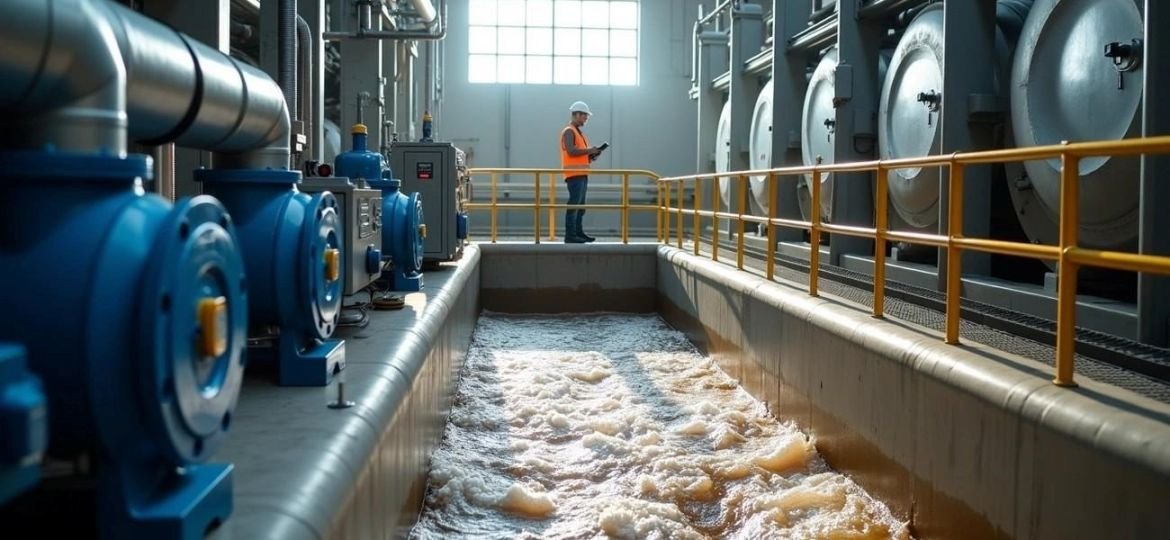
The conventional activated sludge process remains a prominent biological wastewater treatment method applied in municipal and industrial systems. This multistage process relies on specific microorganisms, supported by aeration, to break down organic matter and remove nutrients. The system uses a reactor composed of an aeration tank and secondary clarifier. Air or oxygen gets introduced to support microbial growth. Key operational parameters include dissolved oxygen levels, mixed liquor suspended solids concentrations, sludge volume index, pH, temperature, and food-to-microorganism ratio.
Sequencing batch reactors operate in batch mode and offer operational flexibility. They provide better process control compared to conventional systems. The SBR cycle consists of fill, react, settle, decant, and idle phases. Each phase lasts for specific durations that can be varied according to desired treatment levels. Reduction in organics and nutrients, control of filamentous bacteria, and reduced energy consumption have popularized SBR as a preferred choice. Lower land and aeration requirements make SBR technology economical and energy-efficient compared to other biological treatment systems.
Aquatic Systems: Lagoons and Constructed Wetlands
Lagoons show lower construction, maintenance, and management costs compared to intensive systems. Their efficiency depends on meteorological conditions and they require large space for installation. Industrial lagoons have holding times of several weeks and act as a moving average of all effluent. This prevents single upsets from derailing the treatment process.
Constructed wetlands are engineered systems designed to use natural processes. Wetland vegetation, soils, and microbial assemblages treat wastewater. Horizontal subsurface flow constructed wetlands allow wastewater to flow through porous medium under the surface. The water comes into contact with aerobic, anoxic, and anaerobic zones. Vertical subsurface flow systems provide greater oxygen transfer and produce nitrified effluent.
Advanced Membrane Technologies and Filtration
Membrane bioreactor technology displays potential for stable and efficient treatment of non-degradable wastewater. Advantages include good effluent quality, higher volumetric organic-loadings, less sludge production, and smaller footprint. The solid retention time in MBR is higher compared with conventional activated sludge, whereas hydraulic retention time is lower. Effluent quality is superior in terms of biochemical oxygen demand, suspended solids, and turbidity. This makes it suitable for water reclamation.
Membrane filtration types include reverse osmosis for desalination and producing deionized water, ultrafiltration for removing larger particles and bacteria, nanofiltration for water softening, and microfiltration for removing sediments and algae. These pressure-driven processes separate contaminants by particle size, molecular structure, or charge.
Innovative Wastewater Treatment: Bioelectrochemical Systems
Bioelectrochemical systems use metabolic processes of microorganisms to convert organic pollutants into clean water and valuable byproducts like electricity or hydrogen gas. Microbial fuel cells can function at low temperatures and low organic waste levels. Other treatment methods don’t deal very well with these conditions. MFCs are well-suited for removing toxic contaminants such as ammonia, nitrate, sulfur, and iron. The maximum output voltage and power density achieved using carbon brush as biofilm anodes reached 651.34 mV and 174.97 mW/m².
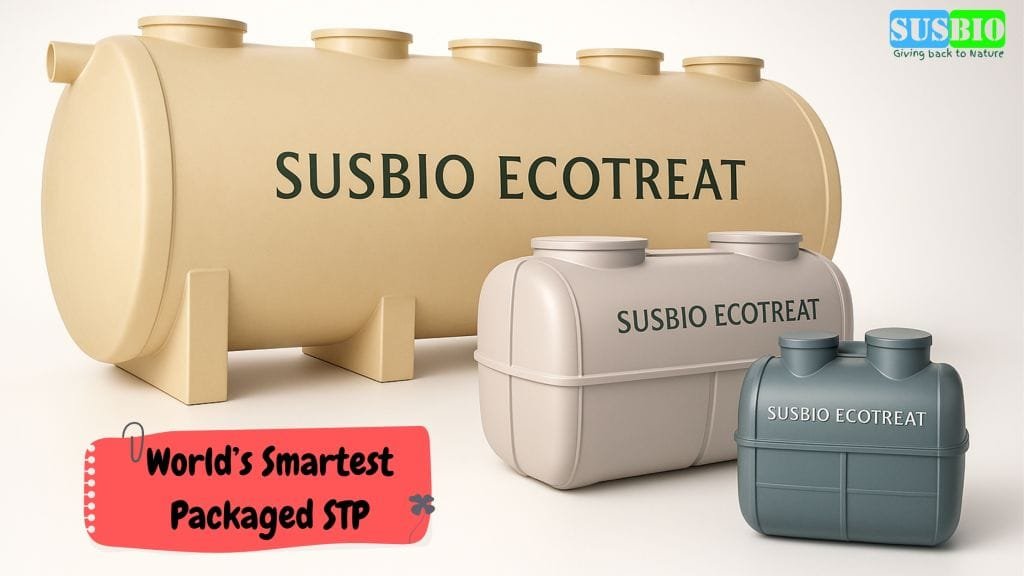
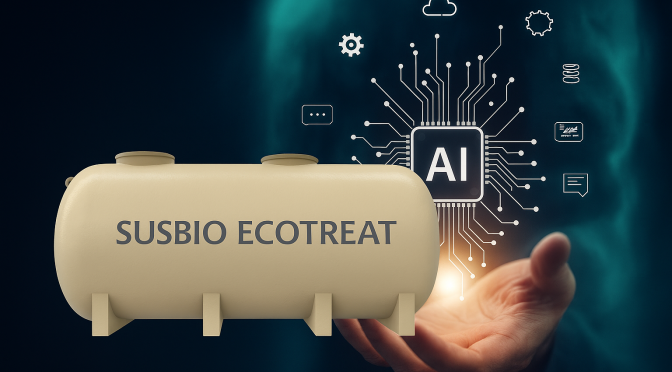
SUSBIO ECOTREAT represents India’s most advanced packaged STP with next-generation AI integration. It detects abnormal conditions and triggers immediate responses to maintain compliance with CPCB norms.
Digital Twins and Predictive Maintenance Tools
Digital twin technologies create virtual replicas of physical assets. They integrate immediate data from SCADA, sensor, and IoT systems. This technology assesses operational health through immediate monitoring and enables operators to take preventive actions when sensors detect potential stress. Predictive maintenance using machine learning techniques can reduce unplanned downtime by up to 50%. AI-driven systems can cut energy consumption by 20-30% through instant data analysis while meeting regulatory standards.
SUSBIO ECOTREAT Technology Overview
SUSBIO was founded in 2013 and has developed ECOTREAT as an advanced packaged sewage treatment solution addressing industrial wastewater challenges in 2026.
Multi-Stage Treatment Process Architecture
SUSBIO ECOTREAT features a dual-treatment process that combines anaerobic and aerobic methods within a single unit. The anaerobic phase breaks down complex organic compounds. The aerobic stage removes residual pollutants and nutrients. This integrated approach eliminates the need for separate reactors and reduces system complexity.
Installation Timeline and Footprint Requirements
The prefabricated, plug-and-play design arrives ready to install and eliminates on-site construction. Installation completes within weeks compared to months required for conventional systems. The compact FRP construction requires minimal space, which makes it suitable for facilities with land constraints.
Performance Measures and Effluent Quality Standards
Multi-stage systems like this achieve COD removal rates of 94.6%, ammonia-nitrogen removal of 99.8%, and total nitrogen removal of 98.0%. The treatment process will give effluent that meets stringent discharge standards.
Operational Flexibility and Automation Features
ECOTREAT operates fully automatically without requiring on-site operators. Automation systems monitor and control treatment processes. They adjust parameters live to maintain optimal performance.
Total Cost of Ownership Advantages in 2026
Operating costs range from INR 15 to INR 50 per cubic meter of treated water. The system uses 90% less electricity compared to conventional plants and reduces long-term operational expenditure by a lot. Total Cost of Ownership analysis accounts for capital expenditure, operating expenditure, and build quality over the facility’s lifetime.
Making the Right Technology Choice for Your Facility
Selecting appropriate industrial wastewater treatment technologies requires careful evaluation of facility-specific requirements against available solutions.
Matching Treatment Technology to Industry Type
Food processing companies generate wastewater with high organic content and fats, oils, and grease. These facilities just need dissolved air flotation followed by biological treatment. Pharmaceutical manufacturers produce batch-generated effluent with COD values ranging from 400 mg/l to 62,000 mg/l. Systems like MBBR that handle load variations are flexible enough for these operations. Chemical industry wastewater contains toxic compounds and petroleum hydrocarbons. Hybrid approaches that combine oxidation and membrane separation work best here. Textile operations discharge colored, chemical-laden water. Pre-treatment, biological oxidation, and membrane polishing address these challenges.
Scalability and Future Expansion Planning
Modular systems enable phased implementation. Facilities can start with base capacity and add modules as needs grow. This approach arranges capital expenditure with actual needs and accommodates population changes and technology upgrades. Industrial zones with fluctuating needs benefit from modular flexibility, especially when growth projections remain uncertain.
Energy Consumption and Carbon Footprint Reduction
Biological treatment consumes approximately 50% of total wastewater plant energy. Chemical pre-treatment reduces this energy requirement by up to 50% and generates more biogas. Renewable energy sources reduce net emissions substantially. Biogas from anaerobic digestion through combined heat and power systems makes this possible.
Vendor Support and Long-Term Service Agreements
Service contracts ensure systems operate at peak efficiency. Scheduled maintenance, emergency support, and performance monitoring make this happen. These agreements extend equipment lifespan and maintain regulatory compliance while reducing downtime. Multi-year contracts provide budget control and uninterrupted support.
Conclusion
Wastewater treatment technologies have evolved dramatically, and 2026 just needs smarter and more sustainable approaches. We explored mechanical systems, membrane technologies, and bioelectrochemical methods that address a variety of industrial needs. The right technology depends on your facility’s specific wastewater composition, flow rates, and long-term operational goals. The future belongs to AI-driven and energy-efficient systems that reduce environmental effect while maintaining regulatory compliance. Your technology choice today determines operational efficiency and cost savings for years ahead.
Frequently Asked Question
Q1. What are the main differences between centralized and decentralized wastewater treatment systems?
Centralized systems handle larger volumes and serve concentrated populations but require extensive pipe networks that can account for 75% of capital costs. Decentralized systems operate close to where wastewater is generated, eliminating long pipe networks, reducing energy consumption, and providing greater flexibility to adapt to local conditions. Smaller facilities often benefit from decentralized approaches, while larger operations may prefer on-site treatment for compliance cost reduction.
Q2. How do I choose the right wastewater treatment technology for my industrial facility?
Technology selection depends on your wastewater composition, flow rates, and industry type. Food processing requires systems that handle high organic content and fats, pharmaceutical facilities need flexible systems for variable COD levels, and chemical industries require hybrid approaches for toxic compounds. You should also consider scalability needs, energy consumption targets, and whether your facility has space constraints that favor compact systems.
Q3. What are the key advantages of Sequencing Batch Reactors (SBR) over conventional activated sludge systems?
SBRs operate in batch mode with fill, react, settle, decant, and idle phases, offering better process control and operational flexibility. They require lower land and aeration requirements, making them more economical and energy-efficient. SBRs also provide better control of filamentous bacteria, reduced energy consumption, and can achieve effective reduction in organics and nutrients compared to conventional systems.
Q4. How can digital twins and AI improve wastewater treatment plant operations?
Digital twins create virtual replicas of physical assets by integrating real-time data from sensors and IoT systems, enabling continuous operational health assessment. AI-driven systems can reduce unplanned downtime by up to 50% through predictive maintenance and cut energy consumption by 20-30% through immediate data analysis. These technologies enable operators to take preventive actions when sensors detect potential stress, maintaining regulatory compliance automatically.
Q5. What factors should I consider when calculating the total cost of ownership for wastewater treatment systems?
Total cost of ownership includes capital expenditure for initial installation, ongoing operating expenditure (including energy costs, chemicals, and labor), and build quality over the facility’s lifetime. Consider that biological treatment typically consumes 50% of total plant energy, and modern systems can use up to 90% less electricity than conventional plants. Also factor in maintenance costs, vendor support agreements, and potential savings from energy recovery through biogas generation.