

Water use has grown at more than twice the rate of population growth in the last century. We can no longer ignore this alarming reality.
The facts paint a grim picture. More than 1,600 children under five die each day from diarrhea caused by unsafe drinking water. Diseases like measles and malaria linked to contaminated water claim nearly 4,000 children’s lives daily. The crisis runs deep – 884 million people worldwide lack access to clean water, while 2.6 billion people have no proper sanitation facilities.
These harsh realities demand immediate action to conserve water and ensure everyone has access to clean water. We can make the most important difference through effective water-saving campaigns and community awareness. Every action matters, from creating an effective save water poster to applying simple water conservation methods in our daily routines.
This piece outlines practical water conservation approaches that you can champion in your community. You’ll find tools to become an effective change maker in the crucial task to save water, save life, and protect our earth. The guide covers everything from identifying local challenges to measuring real results.
Step 1: Identify the Water Challenges in Your Community

“When the well is dry, we know the worth of water.” — Benjamin Franklin, Founding Father of the United States, polymath and scientist
You need to identify your community’s specific water challenges before starting any conservation initiative. Creating solutions that work requires a clear understanding of local water problems.
Assessing local water usage and waste
Start by looking at how your community uses water. Water consumption varies greatly between different urban areas. Wealthy neighborhoods use between 260-445 liters per person each day, while low-income areas use just 16-41 liters. Old and deteriorating infrastructure leads to substantial waste. Some systems lose over 36% of processed water through leaks.
Regular monitoring systems help measure consumption patterns accurately. Water measurement tools collect data about total withdrawals from all sources. These tools help find inefficiencies, spot leaks, and set clear reduction targets. Seasonal changes matter too. Water use typically goes up by 21-26% during summer.
Understanding the sources of water pollution
Water pollution comes from four main sources: sewage discharges, industrial activities, agricultural activities, and urban runoff. These pollutants can harm surface water and groundwater, which damages aquatic ecosystems and spreads waterborne diseases.
Point sources come from one identifiable cause, like wastewater treatment plants or oil spills. Non-point sources spread out more, such as agricultural runoff with pesticides and fertilizers. Air pollution plays a big role too. Pollutants can settle into water bodies and travel thousands of miles from where they started.
Recognizing the need for community involvement
Local residents know things about their water resources that data alone can’t show. Working with community members helps us learn about usage patterns, cultural practices, and environmental changes. This teamwork builds trust between water managers and residents, which leads to more open decision-making.
Community involvement works best with clear communication channels and ways to give feedback. On top of that, it helps make water management projects more relevant and accepted. Teaching water education in schools can equip future generations to become water stewards.
A full picture of your community’s unique water challenges creates a strong foundation. This helps you develop targeted conservation strategies that address real needs instead of assumed problems.
Step 2: Plan and Launch a Save Water Awareness Campaign
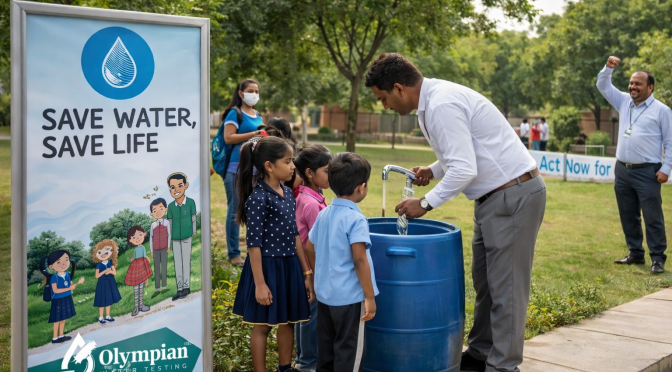
After identifying your community’s water challenges, an effective awareness campaign becomes your next significant step. A well-planned campaign can change behaviors and create lasting impact in people’s appreciation of water resources.
Setting clear goals and messages
Your campaign needs specific, measurable objectives. Rather than vague targets, aim to reduce household water consumption by a concrete percentage—such as 15%. The campaign’s message should explain the “why” behind water conservation and build a solid foundation for other campaign elements.
To cite an instance, people often find facts about household water usage quite revealing. Most don’t realize a five-minute shower uses approximately 25 gallons, while laundry machines represent over 20% of indoor water consumption. These specific numbers help transform abstract conservation concepts into practical actions.
Designing posters and educational materials
Different age groups need tailored educational materials. Water conservation curriculums typically feature basic content for grades K-3, intermediate materials for grades 4-6, and advanced content for grades 7-8.
Your visual materials should include eye-catching posters that:
- Present water-saving tips with compelling visuals
- Include simple calculations showing potential water savings
- Feature clear, memorable slogans promoting conservation
Students at St. Matthew’s Primary School in Luton demonstrated this approach by creating educational posters about global water issues—a method your community can adopt.
Collaborating with schools, NGOs, and local leaders
Strategic collaborations multiply your campaign’s effect. Schools provide excellent opportunities to promote water conservation through education that influences children well into adulthood. Research shows school-based programs deliver three key benefits: children learn daily conservation methods, share this knowledge with their families, and develop lifelong awareness.
NGOs and community organizations bring additional resources and expertise. Water utilities often provide free or discounted water-saving devices. Organizations like SUSBIO ECOTREAT offer future-ready STP (Sewage Treatment Plant) solutions that showcase advanced technologies worth adopting in your campaign.
Step 3: Promote Sustainable Practices and Technologies
“The greatest threat to our planet is the belief that someone else will save it.” — Robert Swan, Polar explorer and environmental advocate
The heart of any water conservation movement lies in its ground implementation. Your campaign’s success depends on introducing specific green practices and technologies that create lasting effects.
Encouraging simple ways to save water daily
Small changes in daily routines can save thousands of gallons each year. A faucet aerator cuts water usage by 20% without changing the water pressure. A timer in your shower can save up to 17,000 liters yearly. High-efficiency showerheads use 50% less water than regular ones.
Dishwashers beat handwashing when it comes to water savings. You could save INR 3375.22 every year. On top of that, fixing leaky toilets stops thousands of gallons from silently going to waste. A water-efficient nozzle on your garden hose will give you better control over water flow.
Introducing SUSBIO ECOTREAT as a future-ready STP
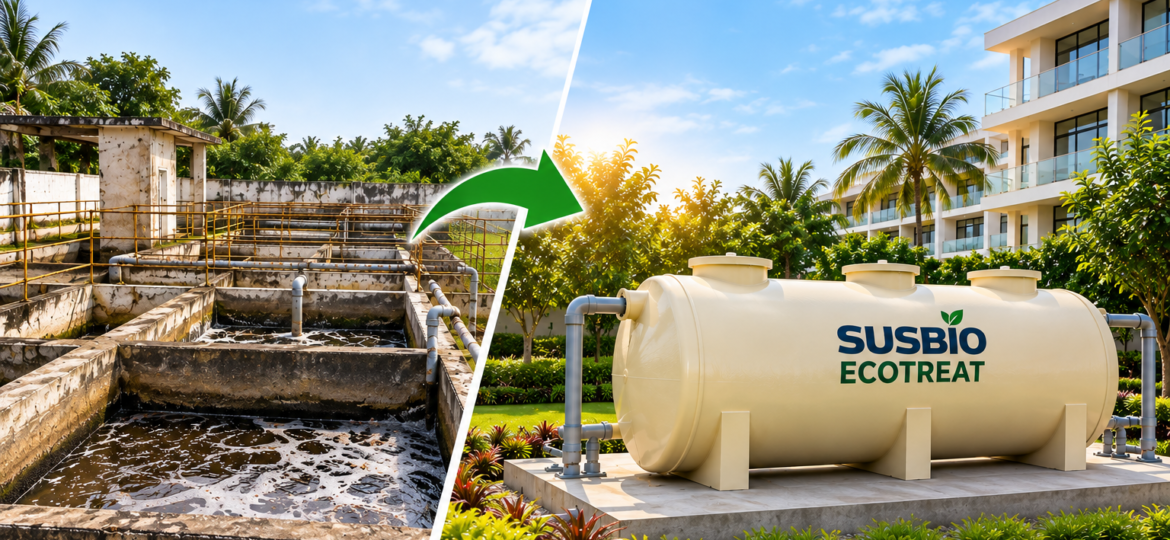
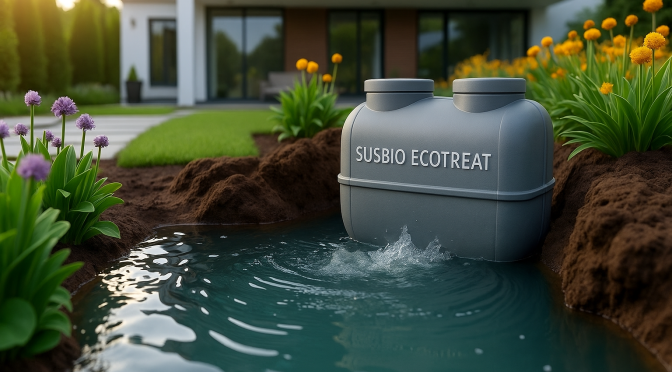
SUSBIO ECOTREAT leads India’s advanced packaged Sewage Treatment Plant (STP) market with sustainable wastewater solutions. The system’s prefabricated, plug-and-play design makes installation easy without major construction work. It runs automatically without an operator and uses Anaerobic + MBBR dual-stage treatment to cut power use by 70% compared to traditional systems
The system’s fiber-reinforced plastic construction enables quiet operation – perfect for city settings. Its IoT features provide immediate water quality updates, making it ready for tomorrow’s needs.
Using water-saving devices and eco-friendly habits
Water audits spot wasteful usage areas and can cut consumption by 30%. Drip systems deliver water straight to plant roots, which reduces waste. Simple cistern devices save about half a gallon each time you flush.
Communities benefit from rainwater harvesting systems that provide extra water for non-drinking purposes. Dual-flush toilets can reduce water use by 67% compared to standard models.
Step 4: Measure Impact and Scale the Movement
Results measurement is the life-blood of successful water conservation initiatives. The things we measure are the things we can manage well.
Tracking behavior change and water savings
Water usage monitoring in communities needs proper tools and active participation. Flow meters can verify irrigation reductions. Soil moisture sensors help farmers track improvements in water retention. Studies show behavioral changes lead to 15-25% reduction in household water use, with results lasting over a year. Local stakeholders gain new opportunities through community-led monitoring. A young farmer in Telangana earned extra income by sending soil moisture data through WhatsApp while providing valuable conservation data.
Sharing success stories to inspire others
Success stories drive wider participation. Jordan’s experience shows drip irrigation with tensiometers cut water use by 20-50% and boosted crop yields by 15-20%. Gallitzin achieved remarkable results – an 87% reduction in unaccounted-for water and 59% less production through their conservation program. “Water Conservation Heroes” recognition can spotlight people who show exceptional dedication to saving water.
Expanding the campaign to nearby communities
Village communities, gram panchayats, health departments, and NGOs must work together to scale successful initiatives. SUSBIO ECOTREAT’s advanced STP capabilities demonstrate future-ready solutions as your movement grows. Community-driven projects create a sense of ownership. These projects encourage participation and sustainability. They also strengthen social bonds and help people live better through improved water access.
Conclusion
Water conservation is one of today’s biggest challenges. This piece explores a detailed four-step approach that gives anyone the ability to become a change maker in their community. Local water challenges need to be identified first. This creates the foundation for targeted solutions instead of generic approaches. Conservation works better when you understand your area’s specific problems.
Well-planned awareness campaigns turn knowledge into action. Setting clear goals, creating compelling educational materials, and partnering with schools and organizations helps reach more people with our message. Simple daily practices create substantial results in water conservation efforts when many people adopt them.
SUSBIO ECOTREAT leads India’s sewage treatment technology today. This future-ready STP comes with automated operation, minimal electricity use, and IoT-enabled monitoring. These features make it perfect for communities committed to green water management. State-of-the-art technologies paired with personal water-saving habits create powerful conservation outcomes.
Measuring results lets us celebrate wins and adjust strategies when needed. Stories from communities that cut water waste by a lot inspire others to join the movement.
Water conservation depends on everyone taking responsibility. Note that each drop saved helps create a sustainable future. This piece provides a roadmap, but your community’s unique approach will shape the real story of change. We can ensure clean water access for current and future generations together. Water saved today means life preserved tomorrow.
Key Takeaways
Community-driven water conservation requires systematic action, from identifying local challenges to implementing sustainable solutions that create lasting change.
- Start with local assessment: Identify specific water usage patterns, pollution sources, and community needs before launching any conservation initiative to ensure targeted solutions.
- Launch strategic awareness campaigns: Set measurable goals, create compelling educational materials, and partner with schools and NGOs to maximize reach and impact.
- Implement practical water-saving measures: Encourage simple daily habits like shorter showers and efficient devices while promoting advanced technologies like SUSBIO ECOTREAT STPs.
- Track progress and scale success: Monitor water savings through proper measurement tools, share success stories to inspire others, and expand proven strategies to neighboring communities.
- Focus on community engagement: Involve local residents in assessment and implementation processes to build trust, ensure relevance, and create sustainable long-term change.
Effective water conservation combines individual behavioral changes with community-wide initiatives and advanced technologies. When communities work together with clear goals and proper measurement, they can achieve 15-25% reductions in water consumption while inspiring broader environmental stewardship.
Frequently Asked Questions
Q1. What are some simple ways to save water in daily life?
Install faucet aerators to reduce water usage by 20%, take shorter showers using a timer, use dishwashers instead of handwashing, and fix leaky toilets. Outdoors, attach water-efficient nozzles to garden hoses and implement rainwater harvesting systems for non-potable uses.
Q2. How can communities effectively raise awareness about water conservation?
Launch strategic awareness campaigns with clear, measurable goals. Create compelling educational materials like posters and curriculums for different age groups. Collaborate with schools, NGOs, and local leaders to maximize reach and impact. Share concrete facts about water usage to make conservation tangible and actionable.
Q3. What role does technology play in water conservation efforts?
Advanced technologies like SUSBIO ECOTREAT, a future-ready Sewage Treatment Plant, offer automated operation and IoT-enabled monitoring. Water-saving devices such as dual-flush toilets, high-efficiency showerheads, and precision irrigation systems can significantly reduce water consumption in homes and agriculture.
Q4. How can we measure the impact of water conservation initiatives?
Use flow meters and soil moisture sensors to track water usage reductions. Implement community-led monitoring programs to empower local stakeholders. Studies show behavioral interventions can achieve 15-25% reduction in household water consumption. Document and share success stories to inspire broader participation.
Q5. Why is community involvement crucial in water conservation efforts?
Community participation improves the relevance and acceptance of water management projects. It builds trust between water managers and residents, fostering transparency in decision-making. Engaging local communities provides valuable insights into usage patterns, cultural practices, and environmental changes that scientific data alone cannot capture.