

AI predictive maintenance brings a new era to wastewater treatment by achieving accuracy rates between 0.64 and 1.00 R2 value for pollutant removal predictions. Water pollution has become worse due to growing global population, rapid industrialization, and climate change effects. Treatment plants worldwide require about USD 76 billion each year to operate, creating an urgent need for smarter and more efficient solutions.
The situation becomes more challenging in India’s urban areas that generate massive amounts of wastewater. Each person in an apartment produces 100-150 liters daily, while industrial facilities release between 10,000-50,000 liters. AI-driven predictive maintenance provides a game-changing solution to these challenges. These systems can cut energy consumption by 20-30% through immediate data analysis while meeting Central Pollution Control Board standards. Many countries have started testing AI applications in wastewater treatment through pilot projects to confirm their effectiveness.
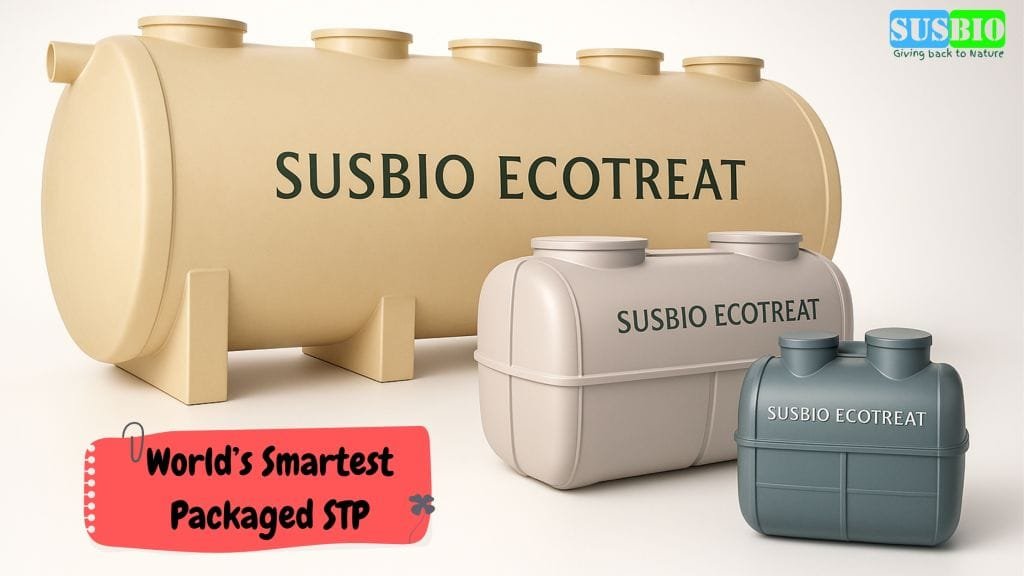
Let’s dive into how AI predictive maintenance software reshapes sewage treatment plant operations and look at some real-life AI predictive maintenance examples. We’ll also cover implementation strategies for infrastructure of all sizes. SUSBIO ECOTREAT stands out as India’s most advanced packaged STP—a future-ready solution built to tackle tomorrow’s wastewater challenges.
Challenges in Traditional Sewage Treatment Systems
Traditional sewage treatment systems don’t work very well and break down often. Modern AI solutions can solve the problems of these outdated systems that keep causing issues.
Manual operations and inconsistent effluent quality
Sewage treatment plants often have trouble maintaining effluent quality because their mechanical, electrical, and biological processes are complex. The whole system fails if just one component stops working. Workers miss important warning signs with manual monitoring. This leads to blockages from too much solid waste that slows everything down or makes the system fail completely. Plant operators find it hard to keep water quality steady when they only react to problems.
Most facilities can’t track vital measurements like dissolved oxygen, pH, and nutrient levels because they lack good monitoring systems. Without precise control, treatment becomes less effective, especially when the bacterial balance that breaks down organic matter gets disrupted.
High energy consumption and chemical dosing inefficiencies
Wastewater treatment needs a lot of power. These facilities use between 379-1,159 TWh worldwide, which makes up 1.8-5.4% of all global electricity use. Aeration of activated sludge takes up 50-60% of the total power needed. Sludge treatment uses another 15-25%, and recirculation pumping needs 15%.
Getting the chemical dosing right is another big challenge. Plant operators used to figure out iron dosing rates by taking manual samples to create a daily pattern. In spite of that, this method can’t adapt to changing inlet conditions quickly. This leads to using too much or too little chemicals, and both waste money. The usual methods like sulfide oxidation and precipitation cost a lot in chemicals and harm the environment.
Lack of predictive maintenance leading to unplanned downtime
Wastewater treatment equipment gets fixed only after it breaks instead of following a smart maintenance plan. Yes, it is shocking that about 75,000 sanitary sewer overflow events happen every year in the United States. Nutrient levels in effluent shoot up faster when pumps fail because phosphorus gets released and nitrification/denitrification doesn’t work properly.
Fixing things after they break costs four times more than regular maintenance. Budget limits force facilities to put off needed maintenance even though they know better. This creates a cycle of just reacting to problems. SUSBIO ECOTREAT—India’s most advanced packaged STP—wants to change this with AI-driven predictive maintenance.
How AI Predictive Systems Solve STP Operational Problems
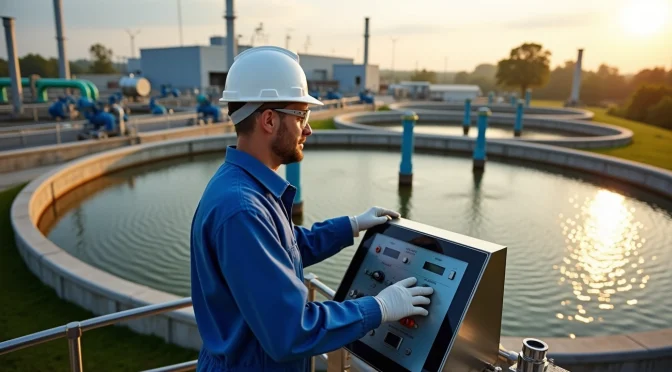
Modern wastewater treatment facilities now rely on artificial intelligence to overcome traditional operational challenges. Smart systems provide precise, informed solutions that improve plant efficiency and reliability.
AI-driven predictive maintenance for pumps and blowers
Machine learning systems analyze equipment data patterns to identify potential failures before they occur. These systems detect subtle changes that point to future problems by monitoring parameters like vibration, temperature, pressure, and usage hours. Equipment lifespan extends by a lot and unplanned downtime reduces by up to 50% with this approach.
AI-powered predictive maintenance reshapes maintenance schedules from fixed time intervals to condition-based interventions. Maintenance teams can now address specific issues just before failure occurs instead of following predetermined schedules. Mid-sized plants save between ₹2-5 lakhs per hour by preventing breakdowns through this strategy.
Real-time optimization of chemical dosing and aeration
AI systems solve a critical problem in traditional plants by adjusting chemical dosing rates based on real-time wastewater characteristics. Chemical dosing makes up 3-15% of operational costs, and AI optimization brings major savings. Experience-based or time-based control methods often lead to overdosing that increases sludge production and carbon dioxide emissions.
AI also optimizes aeration—the most energy-intensive process in wastewater treatment. Smart systems have shown energy reductions of 30-50% in biological treatment. A German facility reported 30.9% lower aeration energy usage after implementing AI. A 100 KLD plant can save between ₹50,000-₹2 lakh yearly through these optimizations.
AI predictive maintenance examples from Indian STPs
Indian facilities now employ AI-based monitoring systems to track significant parameters like pH levels, dissolved oxygen, and bacterial activity. These systems adjust treatment procedures immediately based on incoming wastewater characteristics.
SUSBIO ECOTREAT, India’s most advanced packaged STP, shows next-generation AI integration at its best. The system detects abnormal conditions—such as sudden pollutant surges or equipment malfunctions—and triggers immediate responses to maintain compliance with CPCB norms (TSS <100 mg/L, BOD <30 mg/L). This approach helps avoid costly violations that could result in fines between ₹50,000 to ₹5 lakh.
Implementing AI in Wastewater Treatment Infrastructure
AI implementation in sewage treatment plants needs careful planning and systematic execution. Plant managers can follow a structured approach to get the most benefits when they want to update their infrastructure with intelligent systems.
Step-by-step integration of AI predictive maintenance service
Plant managers should start by getting a full picture of their infrastructure to check SCADA readiness and integration potential. The best approach is to focus on high-impact use cases first before expanding to the rest of the network. The steps should be:
- Getting a clear picture of plant needs based on size and current challenges
- Checking integration requirements for updates or new builds
- Setting up sensors and data collection systems
- Building AI models with vendors or in-house teams
- Testing algorithms alongside existing systems
AWS, Microsoft Azure, or Google Cloud platforms offer reliable resources to process big datasets from sensors through edge computing or cloud solutions.
Training staff for AI-powered SCADA systems
AI-powered SCADA systems change operations by offering live monitoring and control. Staff training plays a crucial role in successful implementation. The team needs new skills to understand AI insights and take the right actions.
Training programs cost between ₹10,000-₹50,000. They should cover AI basics and industry applications. SUSBIO ECOTREAT, India’s most advanced packaged STP, makes staff development a key part of their strategy.
Budgeting and scaling from 10–50 KLD to 100+ KLD systems
A detailed AI system costs between ₹5-20 lakh. Setup costs range from ₹5-50 lakh with maintenance between ₹50,000-₹5 lakh. The original costs might seem high, but operational savings make it worth the investment.
Plants with tight budgets can start with smaller 10-50 KLD systems. They can expand to 100+ KLD once they verify the returns. The best approach is to pick adaptable solutions that will grow as treatment needs change.
Future-Ready Solutions: SUSBIO ECOTREAT and Beyond
The rise of wastewater treatment technology has reached new heights with next-generation systems. These systems combine modular design with artificial intelligence and provide integrated solutions that can predict problems before they happen.
SUSBIO ECOTREAT as a modular, plug-and-play STP
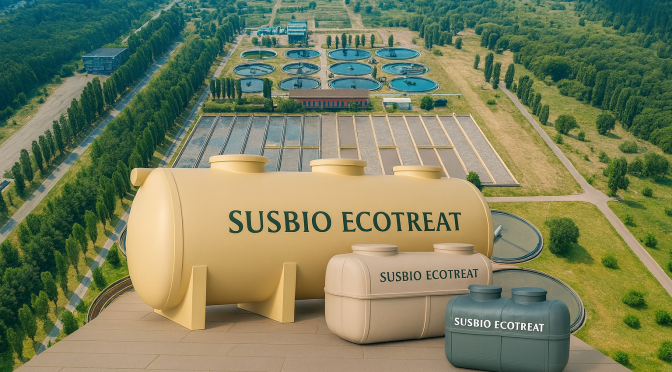
SUSBIO ECOTREAT leads the market as India’s most state-of-the-art packaged STP in 2025. The system comes with a prefabricated design that you can install right away. This future-ready solution needs no extensive on-site construction and sets up much faster than conventional systems. The system’s high-quality fiber-reinforced plastic (FRP) construction delivers exceptional durability in a compact design that fits perfectly in tight urban spaces. You’ll get consistent performance across different installations thanks to its standardized yet customizable configuration. The dual-treatment process combines anaerobic and aerobic methods that deliver superior wastewater purification results.
IoT and AI integration for remote monitoring and control
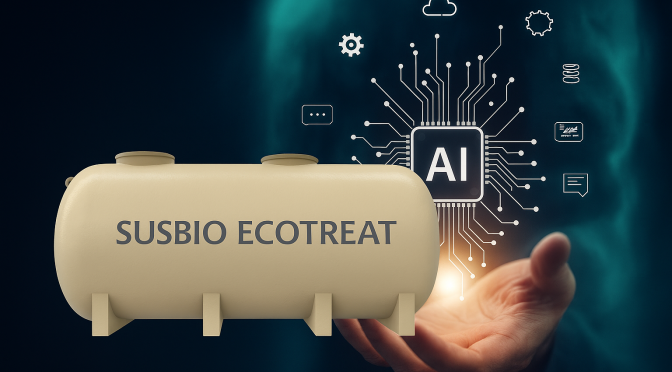
SUSBIO’s IoT sensors continuously track critical parameters like dissolved oxygen, MLSS concentration, and nutrient levels. The system’s AI-driven predictive maintenance spots anomalies, predicts equipment failures, and sends timely alerts. This smart feature cuts maintenance needs by about 60%. Operators can check performance data from anywhere through SCADA systems, so they don’t need to be on-site all the time. This smart monitoring setup marks a radical alteration from reactive to proactive management. AI algorithms analyze patterns and optimize chemical dosing and energy use.
Sustainability and compliance with CPCB norms
SUSBIO ECOTREAT uses 90% less electricity than conventional systems. The biodigestion process eliminates excess sludge production and saves ₹45,000-60,000 monthly in handling costs for a 100 KLD plant. The treated water meets all CPCB standards for BOD, COD, TSS, and pathogen levels. Current regulations require BOD to stay under 10 mg/L and TSS below 20 mg/L in discharged water. The system’s advanced automation recovers nutrients and reuses water for gardening and toilet flushing. These features support India’s growing emphasis on green water management practices.
Conclusion
AI predictive systems have without doubt changed sewage treatment operations through evidence-based approaches that solve long-standing challenges. Traditional plants don’t deal very well with inconsistent effluent quality, high energy consumption, inefficient chemical dosing, and reactive maintenance practices that get pricey during downtime. The change toward AI-powered solutions represents essential progress rather than a simple technological upgrade.
These intelligent systems offer benefits beyond basic operational improvements. Plants can reduce energy consumption by 20-30% and save up to 50% on maintenance costs. The systems also help maintain better compliance with regulatory standards, which makes them financially viable despite the original investment costs. Up-to-the-minute data analysis lets operators make evidence-based decisions that optimize plant performance.
Plants that want to implement AI predictive maintenance should start with infrastructure assessment. The next steps include sensor installation, model development, and complete staff training. This step-by-step integration will give maximum return on investment and minimize disruption to existing operations.
SUSBIO ECOTREAT stands at the vanguard of this technological revolution as India’s most advanced packaged STP. The system pairs modular design with sophisticated AI capabilities and delivers exceptional performance while meeting stringent CPCB norms. This plug-and-play solution is available for facilities of all sizes, from 10 KLD to over 100 KLD.
The future of wastewater management belongs to these intelligent, predictive systems. Population growth, industrialization, and climate change strain our water resources. Solutions like SUSBIO ECOTREAT will become vital. Knowing how to spot problems before they occur, optimize resource usage, and maintain consistent treatment quality represents the next frontier in environmentally responsible water management—a future that has already begun.
Key Takeaways
AI predictive systems are revolutionizing sewage treatment by transforming reactive operations into proactive, data-driven management that delivers substantial cost savings and improved performance.
- AI reduces operational costs by 20-50% through predictive maintenance, optimized chemical dosing, and energy-efficient aeration control systems.
- Traditional plants waste resources with manual operations causing 75,000 annual overflow events and energy consumption representing up to 5.4% of global electricity.
- Implementation requires structured approach starting with infrastructure assessment, sensor installation, staff training, and phased integration from 10-50 KLD systems.
- SUSBIO ECOTREAT leads innovation as India’s most advanced packaged STP, offering 90% energy savings and plug-and-play installation with full CPCB compliance.
- Predictive maintenance prevents 50% of unplanned downtime by analyzing equipment patterns and triggering interventions before failures occur, saving ₹2-5 lakhs per breakdown.
The shift from reactive to predictive wastewater management isn’t just technological advancement—it’s an essential evolution for sustainable water treatment that addresses growing urban demands while ensuring regulatory compliance and environmental protection.
Frequently Asked Questions
Q1. How does AI improve sewage treatment plant operations?
AI enhances sewage treatment by optimizing chemical dosing, reducing energy consumption in aeration by 30-50%, and enabling predictive maintenance to prevent equipment failures. This results in more consistent effluent quality and significant cost savings.
Q2. What are the main challenges faced by traditional sewage treatment systems?
Traditional systems struggle with manual operations leading to inconsistent effluent quality, high energy consumption, inefficient chemical dosing, and lack of predictive maintenance. These issues often result in unplanned downtime and regulatory compliance difficulties.
Q3. How much can AI-driven predictive maintenance reduce downtime in sewage treatment plants?
AI-powered predictive maintenance can reduce unplanned downtime by up to 50%. By analyzing equipment data patterns, these systems can detect potential failures before they occur, allowing for timely interventions and preventing costly breakdowns.
Q4. What is SUSBIO ECOTREAT and how does it differ from conventional sewage treatment plants?
SUSBIO ECOTREAT is India’s most advanced packaged STP, featuring a modular, plug-and-play design with integrated AI and IoT capabilities. It offers 90% energy savings compared to conventional systems, eliminates excess sludge production, and ensures consistent compliance with CPCB norms.
Q5. What are the steps involved in implementing AI in a wastewater treatment facility?
Implementing AI in a wastewater treatment facility involves assessing the existing infrastructure, installing necessary sensors, developing AI models, training staff on AI-powered SCADA systems, and gradually scaling from smaller (10-50 KLD) to larger (100+ KLD) systems. The process requires careful planning and a phased approach for maximum benefits.