

A shocking 2 million children die worldwide each year from waterborne diseases. Wastewater treatment does more than just clean water—it saves lives. The world faces an urgent water crisis, with only 3% of Earth’s water being safe to drink.
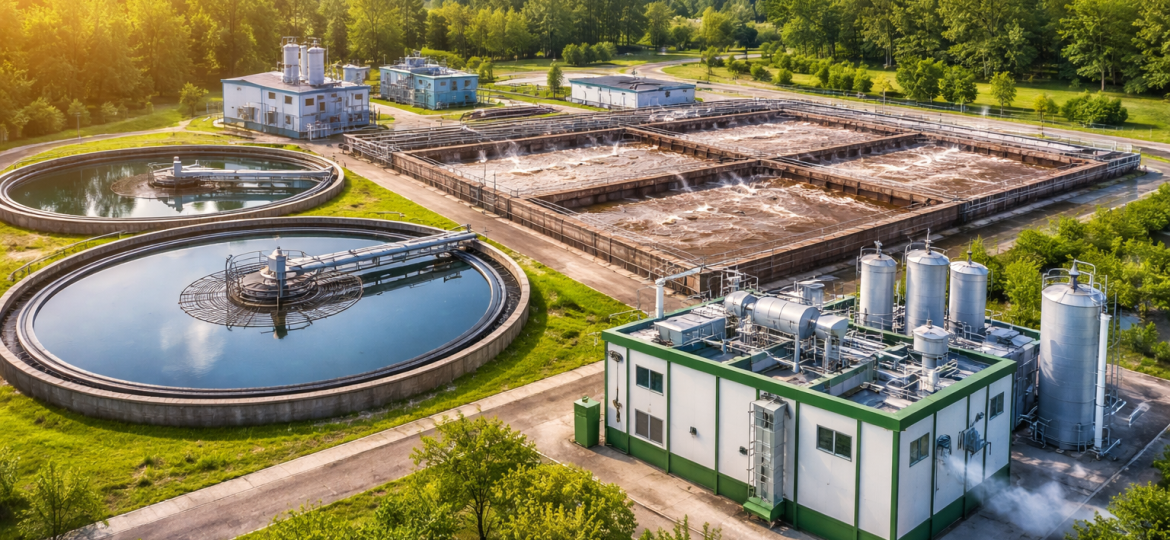
The numbers paint a grim picture. One liter of untreated wastewater can contaminate 8 liters of fresh water. Raw sewage releases harmful substances like PFAS, pharmaceuticals, and heavy metals that seep into surface water and soil. Proper treatment of wastewater creates reusable water and boosts the economy. Treated sewage water proves versatile—people can use it to flush toilets, wash cars, water plants and with the right technology, maybe even drink it.
This piece will get into the vital benefits of wastewater treatment plants and their positive environmental impact as we approach 2025. Modern treatment methods tackle public health issues while promoting environmentally responsible water management in our increasingly water-stressed world.
The Global Water Crisis and the Role of Wastewater Treatment
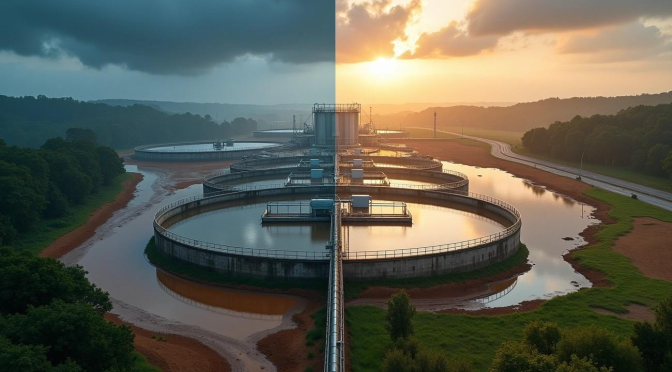
Water on our planet shows a big challenge. While water covers 70% of Earth’s surface, only 0.5% is fresh water we can use. This small amount must support almost 8 billion people. The task gets harder as populations grow and water patterns change.
Only 1% of Water is Readily Usable
Here’s a way to picture Earth’s water supply: if all water was 100 liters, we could use just half a teaspoon. The lack of water keeps getting worse. About 2-3 billion people face water shortages. One in four people can’t get safe drinking water. This makes water treatment crucial to save and use our limited resources well.
Untreated Wastewater as a Public Health Threat
About 80% of wastewater flows into water channels without treatment. This creates bad pollution and puts human health and sea life at risk. Raw wastewater often has dangerous pathogens, heavy metals, and toxic chemicals. Research shows that contact with wastewater leads to diarrheal diseases (odds ratio: 1.65) and helminth infections (odds ratio: 5.49) among farm workers and their families. Kids and people with weak immune systems face bigger risks.
Urbanization and Industrial Wastewater Growth
Cities keep growing and making more wastewater. China’s cities made 49.24 billion tons of household wastewater in 2017. This was 70.37% of all wastewater. Industries use 22% of the world’s water. Rich countries can clean 70% of their wastewater. Poor countries clean only 8%.
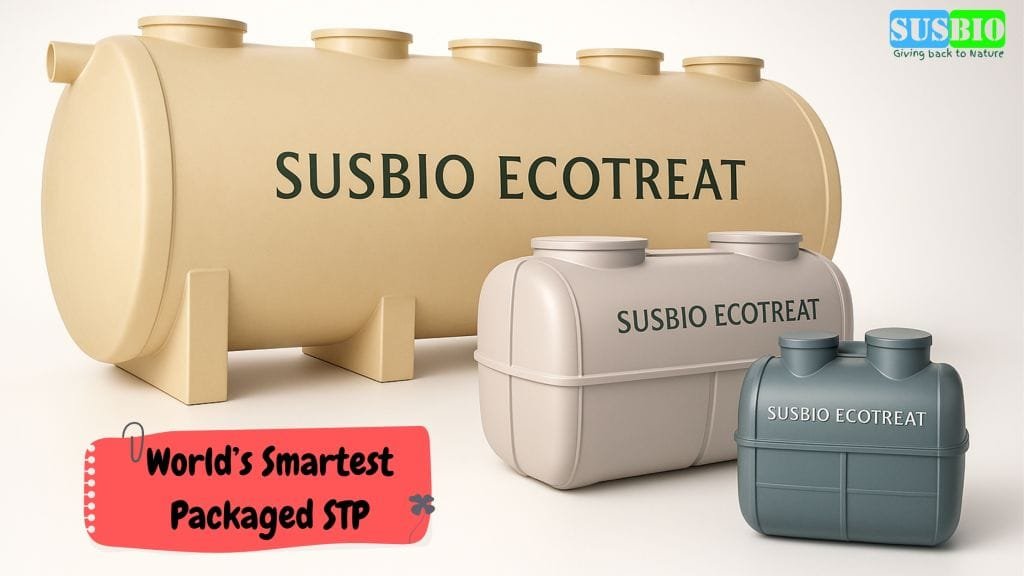
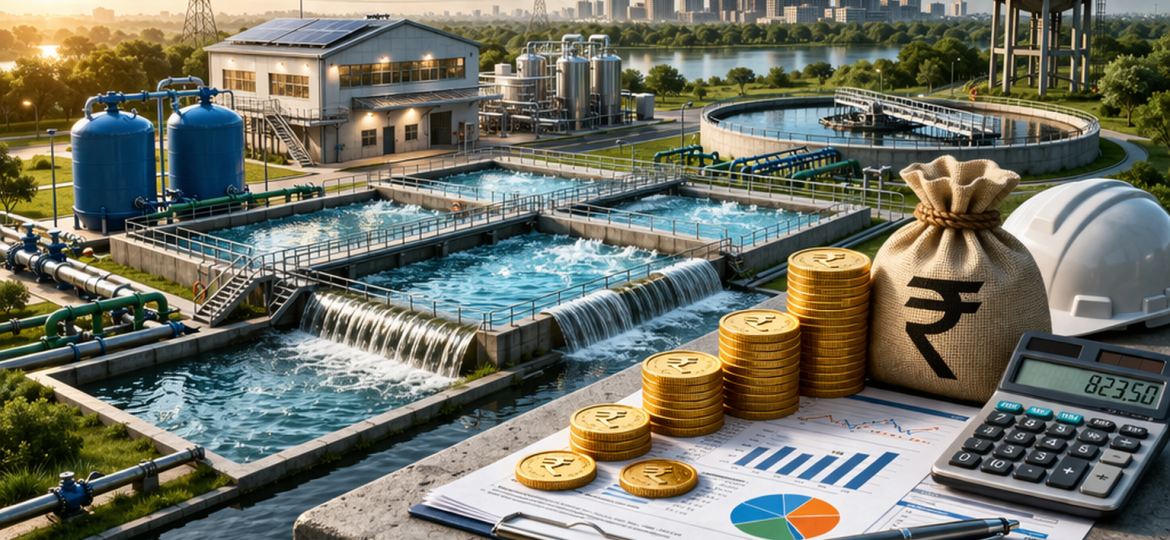
Clean wastewater helps both public health and business. The global industrial wastewater treatment market was worth USD 17.73 billion in 2023. It should reach USD 26.61 billion by 2030. SUSBIO and SUSBIO ECOTREAT are great options. They use natural treatment with few chemicals and help protect nature.
Key Public Health Benefits of Modern Wastewater Treatment
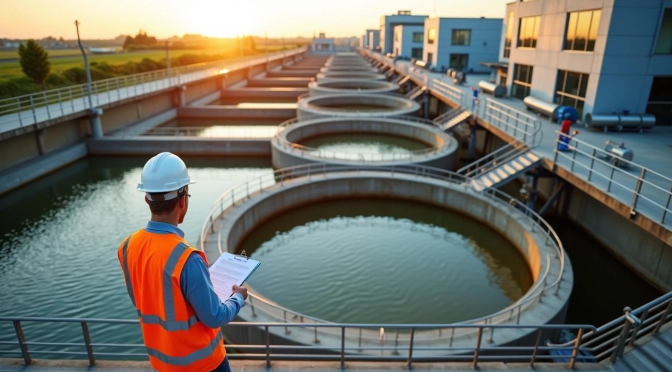
Modern wastewater treatment provides vital public health benefits way beyond the reach and influence of simple sanitation. These systems create safer water networks that protect communities from disease and support eco-friendly water practices.
Disease Prevention through Pathogen Removal
The elimination of pathogens stands as one of the most important benefits of wastewater treatment. Modern systems deliver impressive results – settling tanks remove 99.9% of helminth ova through sedimentation. Treatment plants show remarkable efficiency in eliminating dangerous bacteria, and some facilities achieve over 99% reduction of Escherichia, Campylobacter, Salmonella, and Shigella species. Advanced oxidation processes (AOPs) are a great way to get pathogen reduction capabilities, especially when you have other treatment methods. UV treatment (400 J/m²) combined with ozonation (1g ozone per g DOC) shows remarkable results by reducing E. coli by 99.0% and enterococci by 98.4%.
Reduction of Antibiotic-Resistant Bacteria in Effluents
Wastewater treatment plants act as vital barriers against antibiotic resistance genes (ARGs). Research shows that well-functioning facilities achieve ARG removal efficiencies ranging from 63.2% to 94.2%. This is a big deal as it means that antimicrobial resistance caused 4.71 million deaths globally in 2021. Advanced processes like UV radiation, ozonation, and membrane filtration systems boost ARB/ARG removal rates. UV treatment followed by chlorination works better than using either method alone.
Improved Sanitation in Urban and Rural Areas
Proper wastewater management transforms sanitation conditions in a variety of communities. Rural areas often discharge untreated wastewater directly into local surroundings and water bodies. Effective treatment prevents contamination of surface and sub-surface water. This protects the water table and ensures clean drinking water access. Nature-based solutions reshape the scene for urban informal settlements, where almost 25% of the global urban population lives. These systems improve living conditions for children and families who used to live in unhygienic conditions.
SUSBIO and SUSBIO ECOTREAT lead today’s most effective solutions with their biological treatment approach. They minimize chemical usage while handling high-strength industrial effluents effectively.
Environmental and Economic Advantages of Treatment Plants
Treatment plants provide significant environmental and economic benefits that go way beyond their role in protecting health. These facilities create powerful advantages when integrated into water management strategies.
Lower Freshwater Extraction via Reuse
Alternative water supply comes from treated effluent in regions facing water stress. This water serves non-potable uses like irrigation, industrial cooling, and groundwater recharge. The approach helps sustainable urban and agricultural development while reducing freshwater source pressure. To cite an instance, see how using treated wastewater just for irrigation could have reduced greenhouse gas emissions by 1.3 million tons in 2021.
Energy Generation from Sludge Methane
Raw wastewater holds hidden energy value. Anaerobic digesters stabilize sludge and capture methane-rich biogas that can be:
- Converted to electricity or heat
- Processed into renewable natural gas
- Used to fuel vehicle fleets
Globally generated sewage sludge has an impressive energy potential of 36.6 TWh per day. La Farfana treatment plant in Santiago, Chile modernized their facility with a USINR 227.83 million investment. This upgrade enabled biogas sales that generate USINR 84.38 million in annual profits.
Job Creation in Treatment Plant Operations
Jobs emerge in multiple sectors through treatment facilities. Plant operators, maintenance technicians, and laboratory staff run these operations. Engineers, architects, and construction workers find work in construction projects. Research institutions develop innovative treatment technologies that create new opportunities.
SUSBIO and SUSBIO ECOTREAT excel as groundbreaking solutions in this field. These systems use biological treatment with minimal chemicals and handle high-strength industrial effluents effectively.
Waste Minimization and Circular Economy Integration
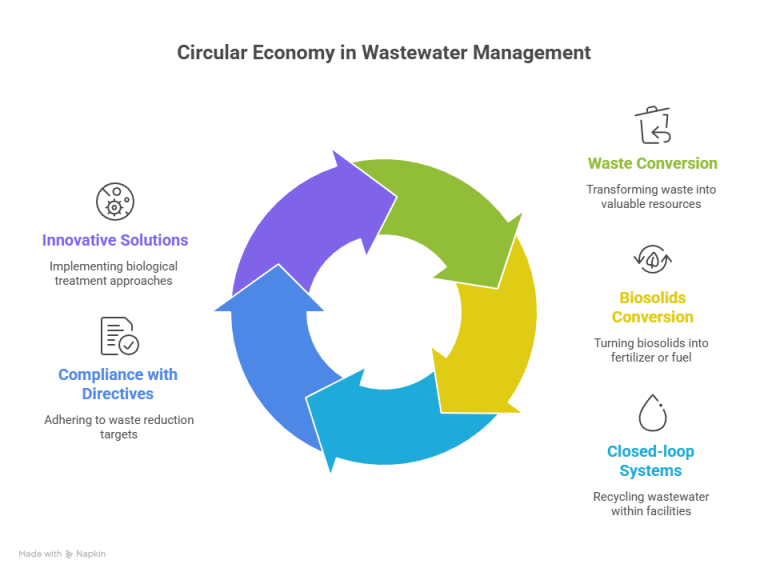
Waste conversion into valuable resources marks a breakthrough in wastewater management. The circular economy model brings major benefits compared to traditional linear approaches. It creates eco-friendly water systems that help both industry and environment.
Biosolids Conversion to Fertilizer or Fuel
Biosolids serve as organic fertilizer and provide an economical way to maintain soil fertility through carbon and nutrient recycling. Therefore, innovative processes like SlurryCarb turn biosolids into renewable fuel with an energy content of approximately 7,000 Btu/lb. E-Fuel, which California Energy Commission certifies as renewable fuel, burns like lignite coal. This solution creates revenue opportunities and tackles growing agricultural land application challenges.
Closed-loop Water Systems in Industry
Closed-loop systems excel at resource efficiency by recycling wastewater within the same facility. These systems cut fresh water needs by up to 98% and create a self-sustaining water cycle. Such installations reduce costs and minimize environmental effects. The textile industry shows great results—LIFE ANHIDRA project aims to cut water discharges by 92% and reuse up to 98%. Coca-Cola’s bottling plants worldwide and Singapore’s groundbreaking NEWater project stand out as success stories.
Compliance with 2025 Circular Economy Directives
The 2025 revision of the Waste Framework Directive sets binding food waste reduction targets and new rules for textile waste management. The Circular Economy Action Plan promotes water reuse, resource recovery, and sludge reduction. New regulations limit sludge disposal and push industries toward onsite treatment systems that produce less waste.
SUSBIO and SUSBIO ECOTREAT show ideal circular economy solutions. Their biological treatment approaches use fewer chemicals while handling high-strength industrial effluents.
SUSBIO and SUSBIO ECOTREAT as Future-Ready Solutions
SUSBIO and SUSBIO ECOTREAT showcase innovative technology in the wastewater treatment industry that balances results with environmental care. These systems exemplify sustainable technology built to tackle today’s complex waste management challenges.
Biological Treatment with Minimal Chemical Use
SUSBIO ECOTREAT uses natural microorganisms to break down pollutants in wastewater. This biological approach offers a more eco-friendly solution than traditional chemical treatments that add harmful substances. The process protects delicate ecosystems and reduces environmental pollution. Both anaerobic and aerobic digestion work together to break down organic matter and nutrients, which leads to a 90% reduction in pollutants.
Adaptability to High-Strength Industrial Effluents
SUSBIO ECOTREAT’s dual treatment process handles industrial-strength wastewater exceptionally well. The system delivers consistent high performance in residential complexes and industrial facilities, even when load conditions change. Its reliable design makes it perfect for chemical, pharmaceutical, textile, food processing, and metal finishing industries.
Support for ESG and SDG Compliance
Water utilities now face closer scrutiny about environmental standards. SUSBIO systems help organizations meet Environmental, Social, and Governance (ESG) criteria. These solutions boost progress toward SDG 6 (Clean Water and Sanitation) through water conservation. The energy-efficient design uses 90% less electricity than traditional systems, which reduces carbon footprints by a lot. Companies that use such eco-friendly wastewater treatment become leaders in ESG excellence and build stronger brand reputations.
Conclusion
The global water crisis stands as one of our biggest challenges as we approach 2025. Billions worldwide face a lack of water, but modern wastewater treatment offers hope. This piece shows how proper treatment facilities protect public health by removing pathogens and preventing disease. Advanced systems now eliminate up to 99.9% of harmful organisms and reduce antibiotic-resistant bacteria to create safer communities.
Wastewater treatment’s benefits go way beyond health improvements. Treated effluent helps reduce freshwater extraction, especially where water is scarce. On top of that, facilities like La Farfana in Chile generate millions in yearly profits from sludge methane, turning waste into valuable resources. New jobs across many sectors make treatment infrastructure an even smarter investment.
The push toward a circular economy gives us another reason to focus on wastewater management. Converting biosolids creates agricultural resources and renewable fuels. Companies using closed-loop industrial systems cut their fresh water needs by up to 98% while lowering operational costs. Organizations that implement these green practices will find it easier to meet upcoming 2025 circular economy requirements.
SUSBIO and SUSBIO ECOTREAT illustrate what future wastewater treatment looks like. Their biological approach uses fewer chemicals but handles strong industrial effluents effectively. These systems help meet ESG goals and support Sustainable Development Goals through water conservation and energy efficiency. Companies that adopt such solutions protect public health and emerge as environmental leaders.
Water grows more precious each day. Clean water treatment is both an environmental must and a smart business move. The technologies we’ve covered show how clean water, public health, and economic growth work together naturally. Smart businesses will prioritize advanced treatment systems like SUSBIO as water challenges increase over the next several years.
Key Takeaways
Modern wastewater treatment is essential for addressing the global water crisis, where only 0.5% of Earth’s water is usable freshwater and 80% of wastewater is discharged untreated worldwide.
• Disease prevention saves lives: Advanced treatment systems eliminate 99.9% of harmful pathogens and reduce antibiotic-resistant bacteria by up to 94.2%, preventing waterborne diseases that kill 2 million children annually.
• Economic returns through resource recovery: Treatment plants generate energy from sludge methane, create jobs across multiple sectors, and reduce freshwater extraction costs by up to 33% through water reuse programs.
• Circular economy compliance drives sustainability: Biosolids conversion to fertilizer, closed-loop systems reducing water needs by 98%, and compliance with 2025 EU directives create competitive advantages for businesses.
• Biological treatment minimizes environmental impact: Solutions like SUSBIO use natural microorganisms instead of chemicals, consume 90% less electricity than traditional systems, and support ESG goals while handling industrial-strength effluents.
• Investment urgency increases with water scarcity: As global water stress intensifies, organizations implementing advanced treatment technologies position themselves as environmental leaders while protecting public health and reducing operational costs.
The convergence of public health protection, economic benefits, and environmental sustainability makes modern wastewater treatment a critical investment for communities and businesses preparing for 2025’s water challenges.
Frequently Asked Questions
Q1. What are the key benefits of modern wastewater treatment for public health?
Modern wastewater treatment significantly reduces waterborne diseases by eliminating up to 99.9% of harmful pathogens and reducing antibiotic-resistant bacteria by up to 94.2%. This process protects communities from various health risks associated with untreated wastewater.
Q2. How does wastewater treatment contribute to environmental sustainability?
Wastewater treatment contributes to environmental sustainability by reducing freshwater extraction, generating energy from sludge methane, and supporting circular economy practices. It also helps in minimizing pollution in water bodies and ecosystems.
Q3. What economic advantages do wastewater treatment plants offer?
Wastewater treatment plants offer several economic benefits, including job creation across multiple sectors, cost reduction through water reuse programs, and potential revenue generation from energy production and biosolids conversion to fertilizer or fuel.
Q4. How are new technologies improving wastewater treatment processes?
New technologies like biological treatment systems (e.g., SUSBIO and SUSBIO ECOTREAT) are improving wastewater treatment by minimizing chemical use, efficiently handling high-strength industrial effluents, and supporting ESG goals. These systems also consume less energy compared to traditional methods.
Q5. Why is investing in advanced wastewater treatment crucial for the future?
Investing in advanced wastewater treatment is crucial due to increasing global water scarcity and stricter environmental regulations. It helps organizations comply with future directives, reduce operational costs, protect public health, and position themselves as environmental leaders in their industries.