

Over 80 per cent of the world’s wastewater—and over 95 per cent in some least developed countries—is released to the environment without treatment. This makes sewage management critical for our survival. Unclean water accounts for 1.7 million deaths each year. The urgency to address this crisis has never been more pressing. Sewage Treatment Plants (STPs) serve as our main defense against waterborne diseases and environmental degradation.
This piece explores the purpose of sewage treatment plant systems and their vital role in protecting communities. We’ll get into the importance of sewage treatment plant infrastructure and the benefits of sewage treatment plant implementation. The advantages of sewage treatment plant technology in preserving both public health and our ecosystems will also be covered.
Understanding Sewage Treatment Plants and Their Core Purpose
What is a Sewage Treatment Plant
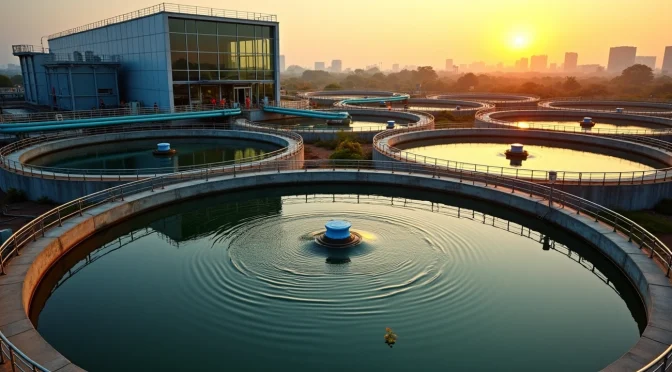
A sewage treatment plant is a facility designed to remove contaminants from wastewater to produce clean effluent suitable for discharge into the environment or reuse. These plants process wastewater from residential, commercial, and industrial sources using physical, chemical, and biological methodologies to break down pollutants. The main goal of all STP systems is to eliminate waste materials and pollutants before releasing treated water back into nature.
STPs handle different capacities depending on the area’s population and sewage generation quantity. Treatment facilities range from 50 kiloliters per day to 10 million liters per day. Modern plants incorporate energy-efficient technologies to reduce power consumption during treatment procedures.
Primary Functions of STP Systems
The primary functions of sewage treatment plants center on protecting both public health and environmental quality. STPs remove contaminants to produce treated effluent that can be discharged into water bodies or reused for industrial and agricultural purposes. These facilities prevent contamination of rivers, lakes, and groundwater while controlling the spread of waterborne diseases.
On top of that, STPs enable water recycling and reuse for gardening or industrial purposes, supporting environmentally responsible water resource management. The treatment procedures transform contaminated water into effluent fit to release into the environment, addressing public health concerns related to wastewater disposal.
How Sewage Treatment Process Works
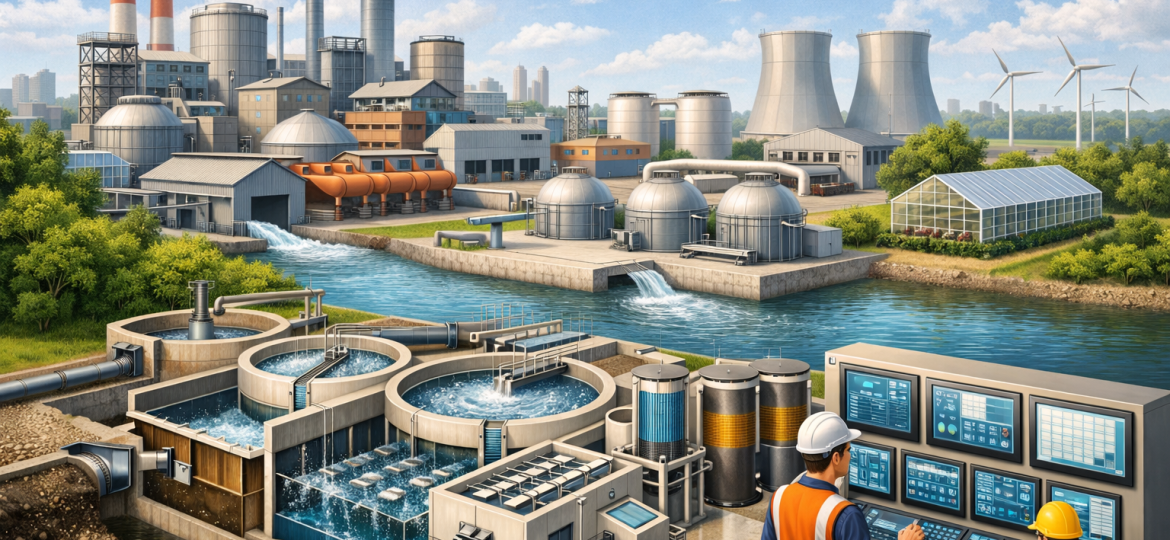
The sewage management process involves multiple treatment stages. Wastewater undergoes preliminary, primary, secondary, and tertiary treatment processes. Bar screens trap large floating materials such as plastics and rags during preliminary treatment, while grit chambers remove heavy particles like sand and gravel.
Wastewater settles in sedimentation tanks during primary treatment. Heavier solids settle at the bottom and form sludge, while lighter materials such as oils and grease float to the surface and are skimmed off. This stage removes 50-60% of suspended solids and reduces Biological Oxygen Demand (BOD) by 30-40%.
Secondary treatment uses biological processes where microorganisms break down organic matter in aeration tanks. Air is introduced to provide oxygen to aerobic bacteria that consume organic pollutants and convert them into carbon dioxide, water, and bacterial biomass. This stage reduces BOD and suspended solids by 85-90%.
Tertiary treatment provides final purification through filtration and disinfection. Chemicals such as chlorine or ultraviolet light kill remaining pathogens, while additional processes remove nutrients like nitrogen and phosphorus.
How Sewage Treatment Plants Protect Public Health
Removing Harmful Pathogens and Disease Prevention
Wastewater streams contain many pathogen types that present major health risks to communities. Human pathogens include bacteria, viruses, parasitic protozoans and helminths that enter sewage from fecal wastes or contaminated household water. Common bacterial threats include Escherichia coli, Salmonella and Vibrio cholerae, while viral pathogens include Hepatitis A virus, Norovirus and Poliovirus.
The activated sludge process serves as an effective treatment barrier against pathogens through predation and biological entrapment within floc formations. Secondary treatment removes between 90 to 99 percent of coliform bacteria. E. coli removal ranges from 1.5 to 2.5 log10, while Cryptosporidium removal achieves 1 to 3 log10. Disinfection procedures using chlorine, ozone or ultraviolet radiation destroy remaining microorganisms before effluent discharge.
Preventing Waterborne Diseases
Waterborne diseases account for 1.5 million deaths each year and represent 3.6 percent of the total disability-adjusted life year global burden of disease worldwide. Contaminated water and poor sanitation transmit diseases such as cholera, diarrhea, dysentery, hepatitis A, typhoid and polio. Diarrheal disease ranks as the second leading cause of death in children under five years old.
The deaths of 395,000 children aged under 5 years could be avoided each year if water safety and sanitation risks were addressed. Children under three years old in low-income countries experience an average of three episodes of diarrhea each year. This leads to malnutrition and severe dehydration.
Ensuring Safe Drinking Water Sources
An estimated 56 percent of the world’s population have unsafe sources of water contaminated by sewage, septic tanks or latrines. Hundreds of millions of people have drinking water that remains contaminated or chemically polluted because of inadequate management of urban, industrial and agricultural wastewater. Over 251.4 million people required preventative treatment for schistosomiasis caused by parasitic worms contracted through exposure to infested water in 2021.
Reducing Health Risks in Urban Areas
Urban areas face particular challenges in sewage management and public health protection. While 86 percent of people in urban areas have safely managed drinking water services, only 62 percent have safely managed sanitation services. Merely 23 percent of the urban population have access to safely managed sanitation in South Asia.
Unsanitary conditions in neighborhoods without water and sanitation services create a constant threat of disease outbreaks such as cholera that can devastate poor communities and spread through cities. Planning, budgets and infrastructure fail to serve most urban residents in the developing world with adequate sanitation. This contributes to poor health conditions and heavy pollution loads in wastewater.
Environmental Protection Through Sewage Treatment
Reducing Water Pollution in Rivers and Lakes
More than 80 percent of the world’s wastewater flows back into the environment without being treated or reused. Nearly half of rivers and streams remain polluted and unfit for swimming, fishing, and drinking. Nutrient pollution, including nitrates and phosphates from untreated sewage, represents the leading contamination type in freshwater sources.
Protecting Aquatic Life and Ecosystems
The River Ray in Wiltshire showed significant biodiversity improvements over 30 years following boosted wastewater treatment. Both diversity and abundance of freshwater invertebrates have increased steadily since 1991. The water became cleaner due to ammonia reduction and increased oxygen levels that came from less organic matter being discharged.
Preventing Soil Contamination
Sewage-contaminated soil may be classified as hazardous waste if it contains certain levels of contaminants such as heavy metals or pathogens exceeding regulatory thresholds. Groundwater and surface water get polluted when untreated wastewater is used for irrigation.
Minimizing Air Pollution and Odor Control
Wastewater treatment plants emit volatile organic compounds, volatile inorganic compounds, and volatile sulfur compounds that affect ambient air quality. Hydrogen sulfide and ammonia are the dominant malodours during wastewater treatment. Proper odor prevention strategies using chemical dosing and aeration systems minimize formation and release of odorous compounds.
Supporting Biodiversity and Natural Habitats
Improved treatment that complied with the EU Urban Wastewater Directive marked a vital turning point for biodiversity on the River Ray. Species of damselflies and caddisflies that hadn’t been seen 30 years ago returned. Treatment plants prevent spread of toxic chemicals and nutrients like nitrogen and phosphorus, which lead to harmful algal blooms and disrupt ecosystems.
SUSBIO ECOTREAT: Advanced Sewage Treatment Solution
Key Process Features of SUSBIO ECOTREAT
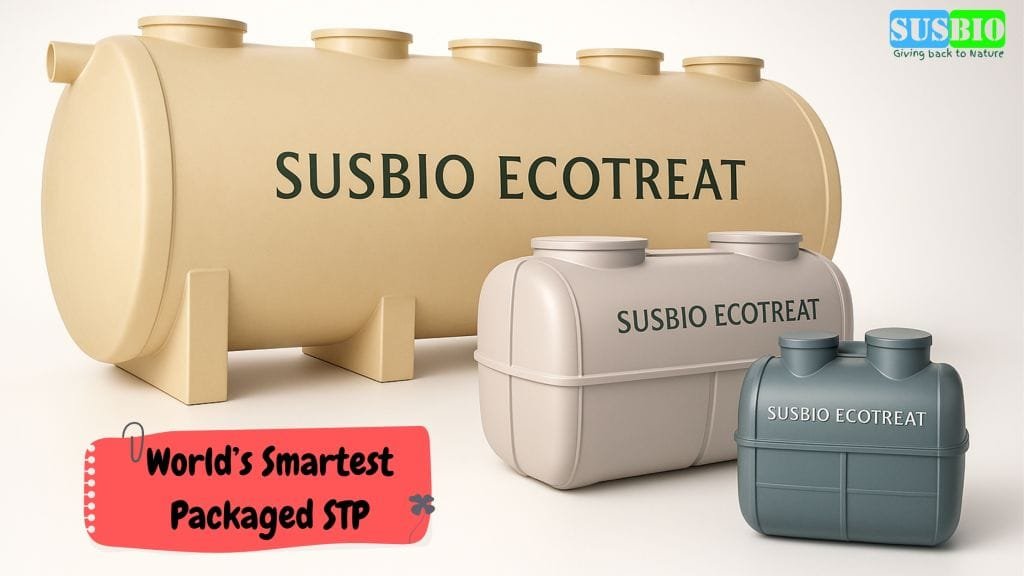
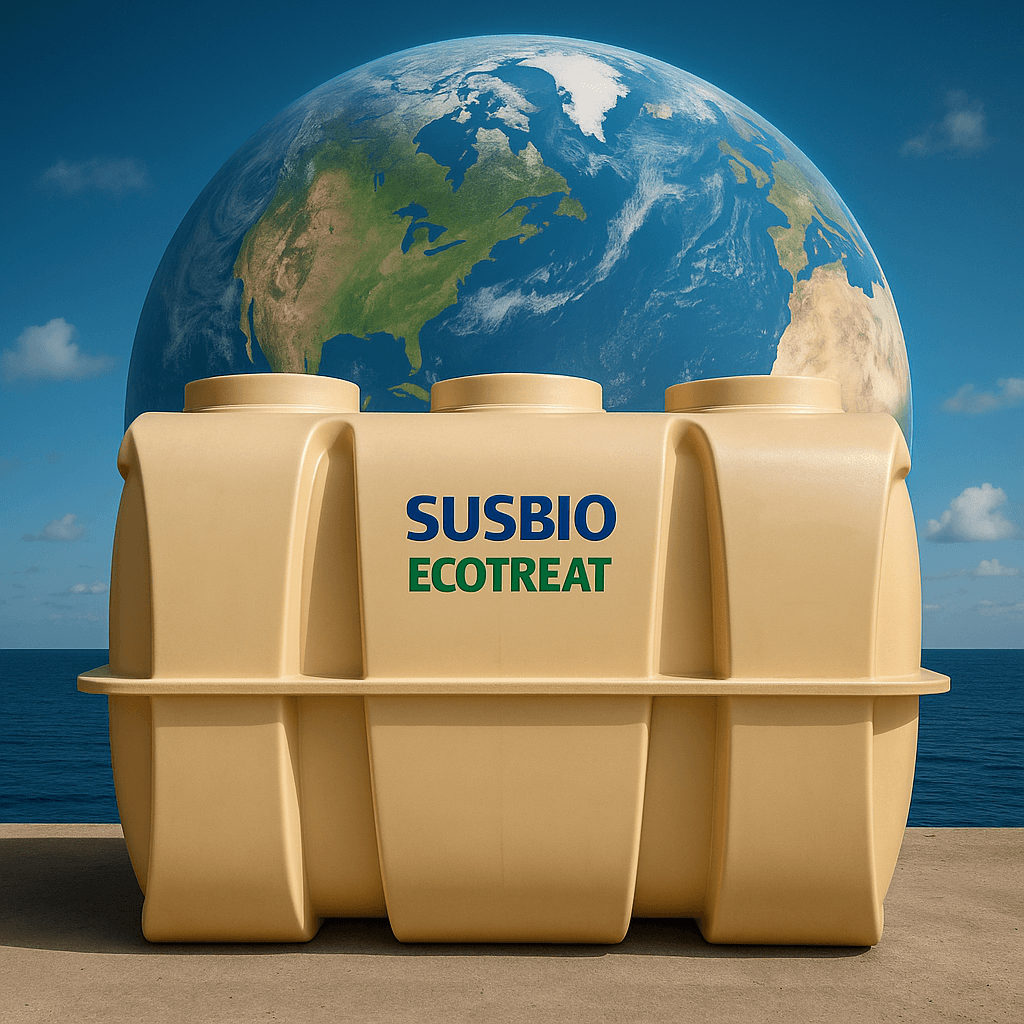
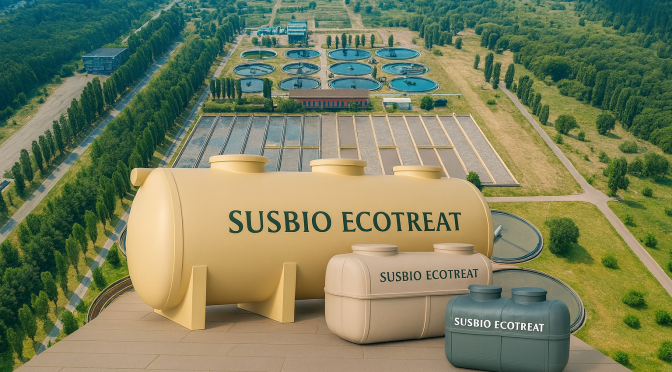
SUSBIO ECOTREAT combines anaerobic and aerobic biological treatments in a dual-process system built from fiber-reinforced plastic. The prefabricated modules use Moving Bed Biofilm Reactor technology where plastic carriers create extensive surface areas for microorganism biofilms to break down organic pollutants, nitrogen, and phosphorus. Wastewater flows through oil and grease separation, sedimentation, anaerobic contact media chambers, moving bed media chambers, secondary sedimentation, and disinfection using UV radiation at 254 nanometers or chlorination.
Treatment Efficiency and Performance Standards
The system achieves BOD and COD reduction of 90-95%. Final effluent quality maintains BOD levels below 20 mg/L and TSS below 10 mg/L. UV and chlorine disinfection removes 99% of pathogens including E.coli and Cryptosporidium. The treated water meets stringent environmental standards suitable for irrigation and industrial reuse.
Why SUSBIO ECOTREAT is the Best Choice for Your Needs
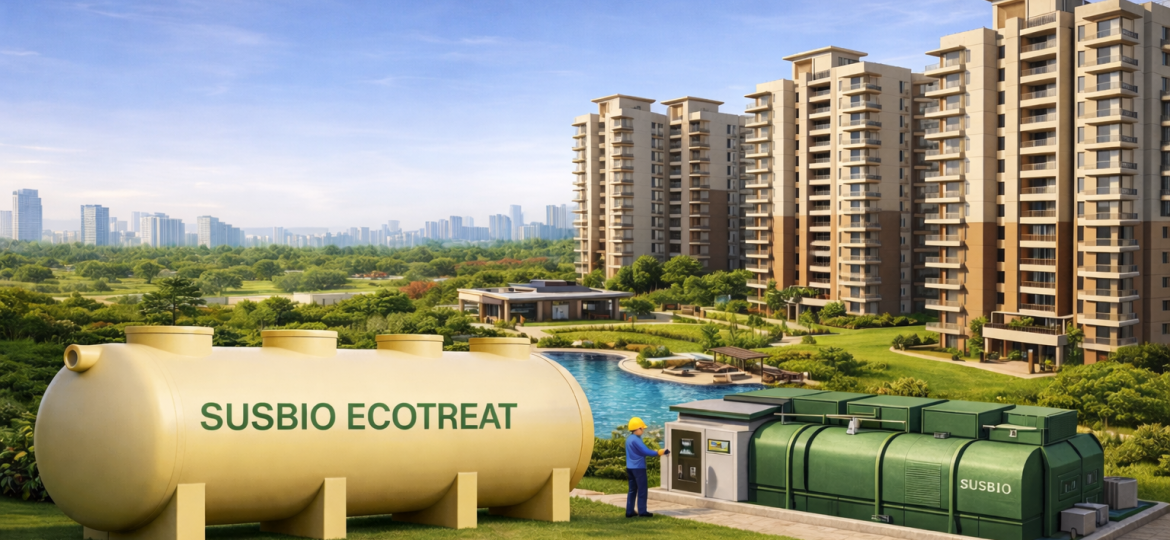
Installation takes just 2-4 weeks compared to months required for traditional plants. Small capacity systems between 5-50 KLD need only 25-100 square meters of space. The operation is automated and requires no on-site operators. The system runs on 90% less electricity than conventional plants, which improves operational sustainability.
Economical Solutions and Low Maintenance Benefits
Most 50-100 KLD plants achieve payback in 18-24 months. Property owners save INR 4-5 lakhs yearly through water reuse. Maintenance involves only monthly checks and twice-yearly desludging. The fiber-reinforced plastic construction comes with a 10-year warranty on materials.
Conclusion
Sewage treatment plants stand as our critical defense against waterborne diseases and environmental degradation. These facilities protect communities by removing harmful pathogens while preserving aquatic ecosystems and natural habitats. Modern solutions like SUSBIO ECOTREAT demonstrate how advanced technology can deliver exceptional treatment efficiency with minimal maintenance requirements. The lack of water and rising health concerns make investing in sewage treatment essential for sustainable living and community well-being.
Frequently Asked Questions
Q1. What exactly does a sewage treatment plant do?
A sewage treatment plant removes contaminants from wastewater through physical, chemical, and biological processes. It treats water from residential, commercial, and industrial sources, breaking down pollutants to produce clean effluent that can be safely discharged into the environment or reused for purposes like irrigation and industrial applications.
Q2. How effective are sewage treatment plants at removing disease-causing organisms?
Sewage treatment plants are highly effective at pathogen removal. Secondary treatment eliminates 90-99% of coliform bacteria, while the complete treatment process including disinfection with chlorine or UV light removes 99% of harmful pathogens like E.coli and Cryptosporidium, significantly reducing the risk of waterborne diseases.
Q3. Why is sewage treatment important for protecting the environment?
Sewage treatment prevents water pollution in rivers and lakes, protects aquatic life and ecosystems, and stops soil contamination. It removes nutrients like nitrogen and phosphorus that cause harmful algal blooms, reduces toxic chemical discharge, and helps maintain biodiversity in natural habitats by ensuring only clean water is released into the environment.
Q4. How long does the sewage treatment process typically take?
The complete sewage treatment process involves multiple stages including preliminary screening, primary sedimentation, secondary biological treatment, and tertiary disinfection. While the entire process can take 24-48 hours from intake to final discharge, modern systems like SUSBIO ECOTREAT use advanced technology to optimize treatment efficiency while maintaining high-quality standards.
Q5. What are the main stages of sewage treatment?
Sewage treatment occurs in four main stages: preliminary treatment removes large debris and heavy particles; primary treatment settles solids and removes oils; secondary treatment uses microorganisms to break down organic matter, reducing BOD by 85-90%; and tertiary treatment provides final purification through filtration and disinfection to eliminate remaining pathogens.
Key Takeaways
Sewage treatment plants are essential infrastructure that safeguard both public health and environmental sustainability through advanced water purification processes.
• STPs prevent 1.7 million annual deaths by removing 90-99% of harmful pathogens like E.coli, cholera, and hepatitis from wastewater before environmental discharge.
• Multi-stage treatment processes eliminate 85-90% of pollutants through preliminary screening, biological breakdown, sedimentation, and UV/chlorine disinfection.
• Environmental protection is critical as over 80% of global wastewater flows untreated into rivers and lakes, threatening aquatic ecosystems and biodiversity.
• Modern STP solutions like SUSBIO ECOTREAT achieve 90-95% pollutant removal while using 90% less electricity and requiring minimal maintenance.
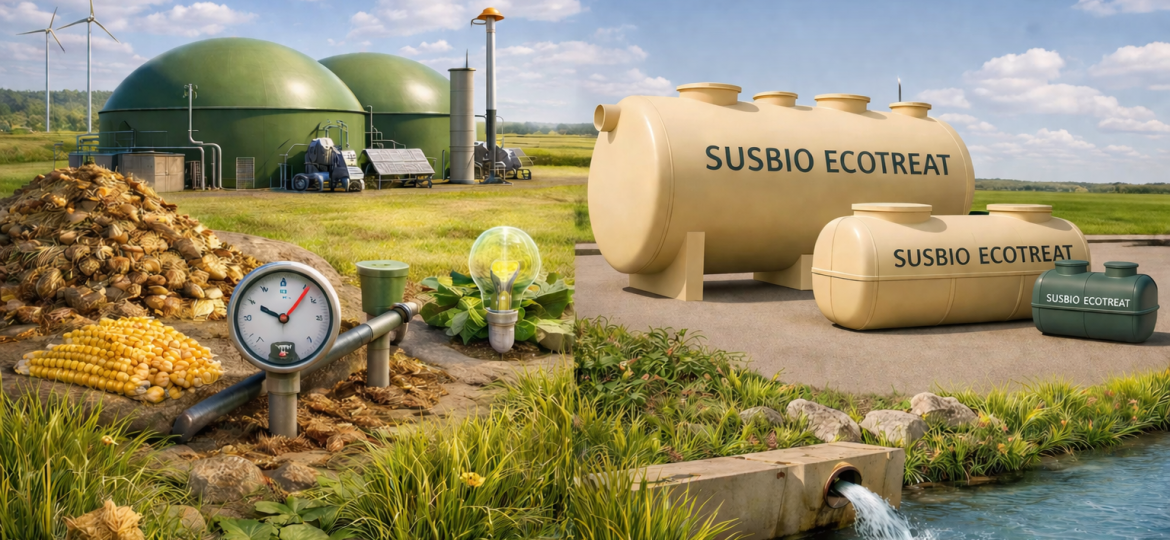
• Water reuse capabilities enable treated effluent for irrigation and industrial purposes, supporting sustainable water management in water-scarce regions.
Effective sewage treatment transforms contaminated wastewater into safe effluent, preventing disease outbreaks while protecting natural water sources and supporting community health for generations to come.