

India generates over 72 billion liters of wastewater daily, yet only a small portion receives proper treatment before environmental release. This massive volume shows why we need to review our sewage treatment options in 2025. The activated sludge process has been the go-to solution worldwide for decades. Modern packaged STPs have emerged as strong alternatives that serve specific needs.
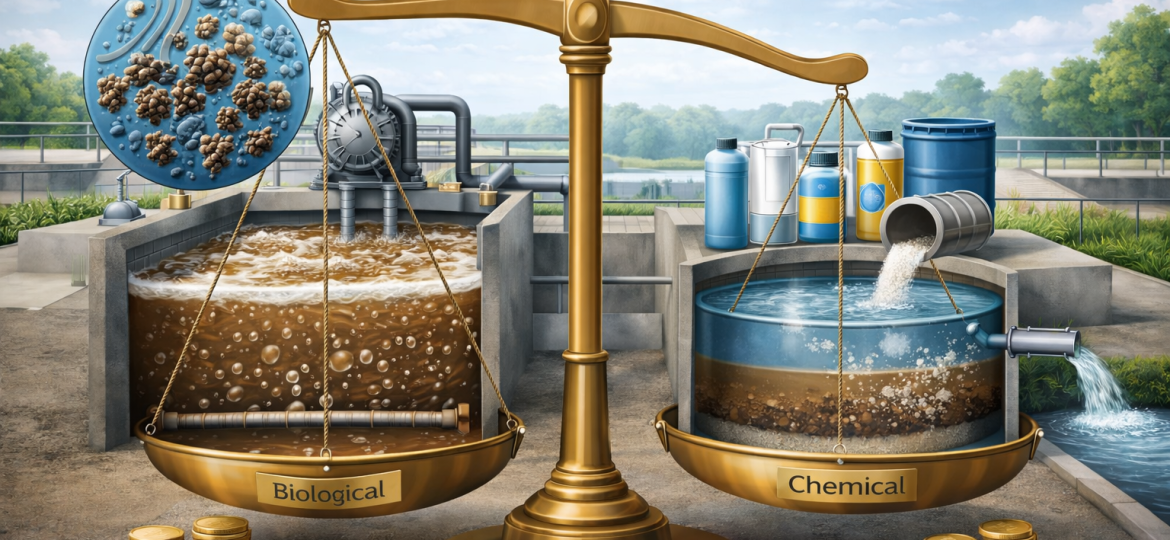
Let’s compare these two approaches to sewage treatment plant technology. The activated sludge process has evolved through the years but needs substantial space and delivers average effluent quality. Modern prefabricated sewage treatment plants bring advantages to compact settings. Moving Bed Biofilm Reactors (MBBR) deliver high treatment efficiency with compact designs. Membrane Bioreactors (MBR) blend biological treatment with advanced filtration to produce exceptionally clean water. SUSBIO ECOTREAT stands out as a future-ready solution that tackles many traditional limitations for those looking for the most advanced packaged STP in India.
This piece will get into how these technologies work and their key differences. We’ll help you choose between the decades-old reliability of ASP and the space-saving efficiency of modern packaged systems. Our review of six vital parameters will guide your decision based on your specific needs.
How Activated Sludge Process Works in 2025
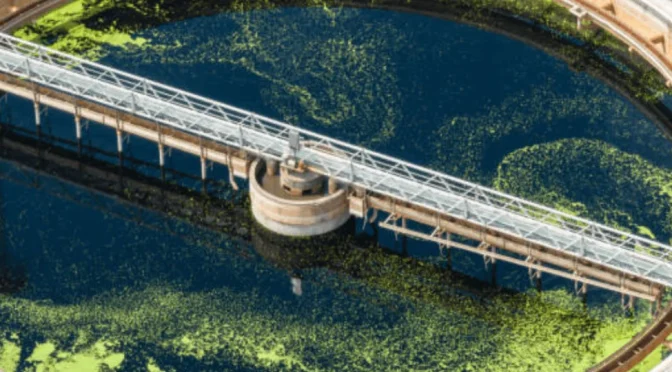
Biological wastewater treatment in developed countries still relies heavily on the conventional activated sludge process. This method works through suspended growth where microorganisms create biological flocs that break down organic pollutants in wastewater.
Activated Sludge Process Diagram and Flow Stages
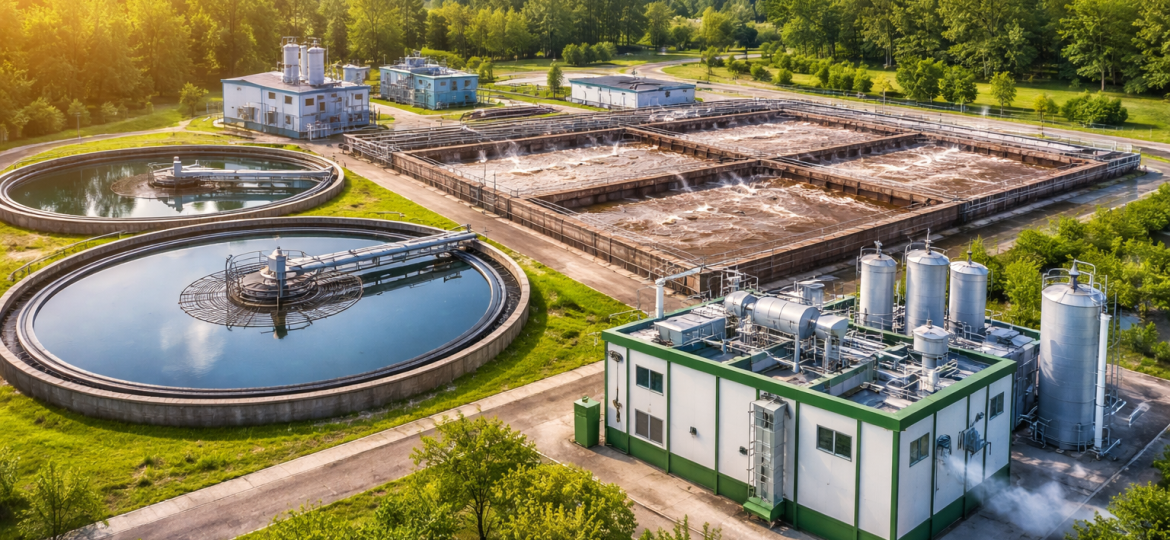
Municipal treatment plants position the activated sludge system between primary clarification and disinfection stages. Wastewater enters an aeration tank and mixes with existing microorganisms in a standard setup. Bacteria multiply faster at this stage and form flocs that convert organic pollutants into energy, water, CO₂, and new cell material. The mixture (called mixed liquor) moves to a secondary clarifier where activated sludge settles down. Clean treated water rises to the top, which removes 80-100% of BOD and TSS based on the system configuration and temperature.
Aeration, Clarification, and Sludge Recycling Explained
The most important component is aeration, which uses either diffused aeration (bubbles from tank bottom) or surface aeration systems. This step adds oxygen that bacteria need to grow and mixes sludge with wastewater completely. The secondary clarifier then uses gravity to separate treated water from biological solids.
The system splits the settled sludge into two streams. About 70-80% goes back to the aeration tank as “return activated sludge” (RAS) to maintain proper bacterial levels. This recycling ensures a strong bacterial population that continues to treat waste. The remaining sludge becomes “waste activated sludge” (WAS) and requires more processing. Plants typically generate 70–100 grams of waste sludge for each cubic meter of treated wastewater.
Limitations in Space-Constrained or Decentralized Areas
The conventional activated sludge process works well for large-scale centralized treatment but faces big challenges in space-constrained environments. These systems just need too much land area to work in decentralized settings like individual buildings or small communities. You also need skilled operators and regular maintenance. The process uses lots of energy, especially for air compression, which uses the most power.
Modern packaged STPs like SUSBIO ECOTREAT are great alternatives to decentralized wastewater treatment. These systems overcome space limitations through compact, modular designs.
Inside Modern Packaged STPs: What’s Changed
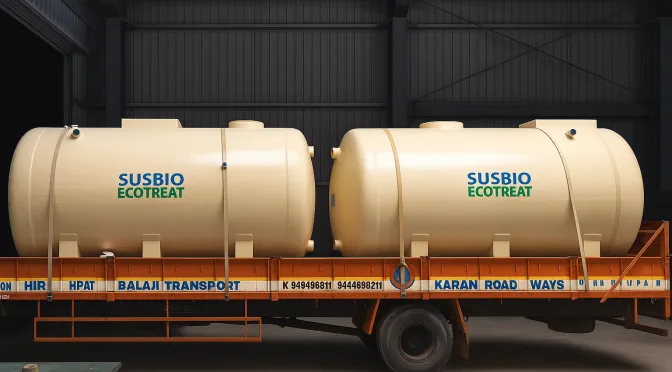
Modern packaged sewage treatment plants have transformed to overcome the limitations of conventional systems. These compact units deliver sophisticated treatment capabilities and need nowhere near the space while making installation much simpler.
Modular Design and Plug-and-Play Installation
Factory-controlled conditions produce ready-to-install prefabricated sewage treatment plants. These modular units arrive pre-assembled, unlike traditional systems that need extensive construction on site. The installation time drops by up to 60%. Their standardized design will give a consistent quality control across installations. The plug-and-play approach needs minimal site preparation and causes less disruption.
Packaged STP vs Conventional ASP: Key Differences
Several key aspects set modern packaged STPs apart from conventional activated sludge process systems:
- Space Efficiency: Urban settings benefit from packaged STPs that need 50-70% less space than conventional systems
- Installation Timeline: Units built in factories can start working within weeks instead of months
- Process Technologies: Advanced processes like MBBR (Moving Bed Biofilm Reactor) or MBR (Membrane Bioreactor) technologies improve treatment efficiency
- Operational Flexibility: Flow variations are handled better by packaged units that scale easily with additional modules
SUSBIO ECOTREAT: Features, Benefits, and Use Cases
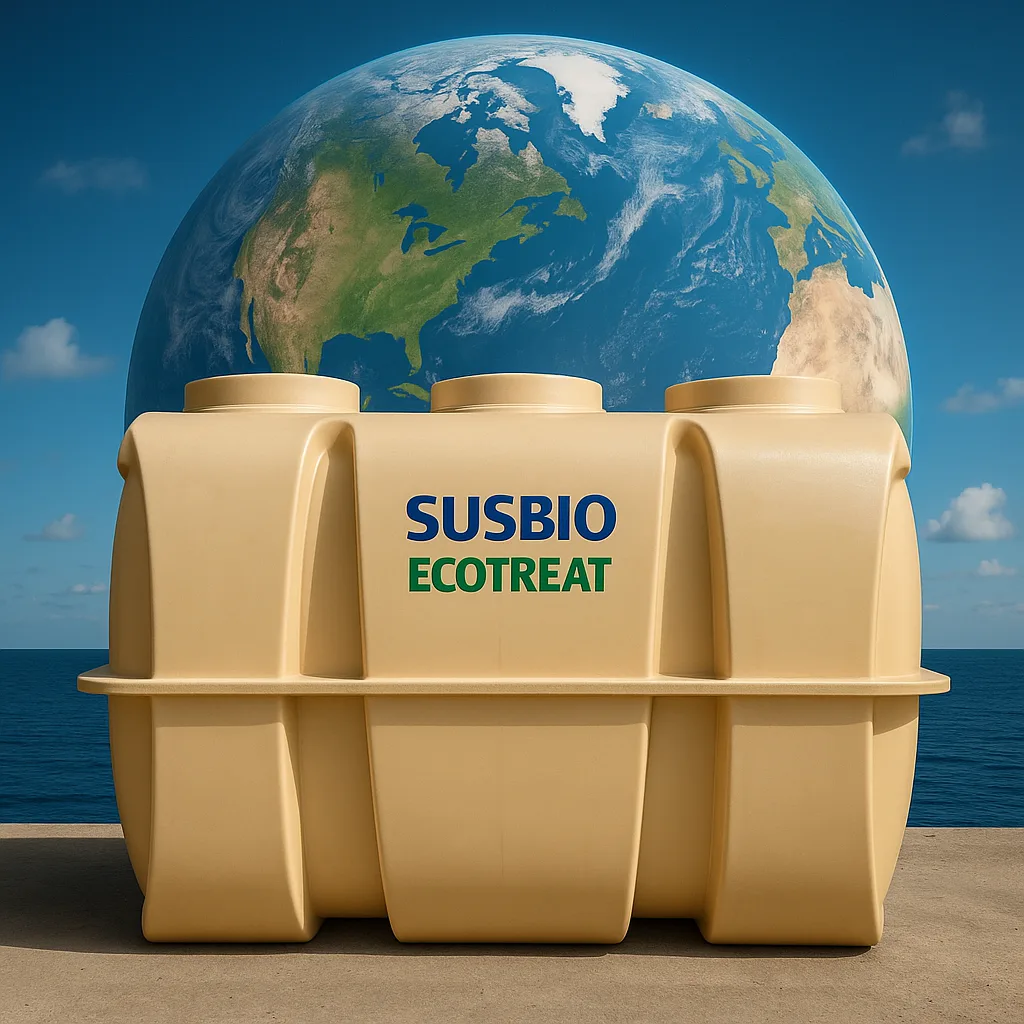
SUSBIO ECOTREAT leads as India’s most advanced packaged STP and offers a future-ready solution for decentralized treatment. The system blends innovative biological treatment with intelligent automation. It achieves consistent BOD reduction to <10mg/L and COD to <50mg/L. Hotels, hospitals, residential complexes, and IT parks with premium space constraints find this compact system especially useful.
The system excels in energy efficiency and uses about 1.5 kWh per cubic meter of treated wastewater – much lower than conventional systems. Remote monitoring capabilities let operators track performance with up-to-the-minute data analysis and predict maintenance needs before failures happen. Projects that need quick deployment, have space constraints, or require decentralized treatment find these modern packaged STPs increasingly attractive.
Comparing ASP and Packaged STPs Across 6 Key Parameters
A good understanding of how different sewage treatment technologies perform helps make better decisions. Let’s get into how the activated sludge process stacks up against modern packaged STPs.
1. Effluent Quality and Regulatory Compliance
The effluent quality varies substantially between technologies. The original activated sludge process typically achieves BOD levels of <20 mg/L and suspended solids of <30 mg/L. Modern packaged STPs with MBR technology achieve much better results with BOD levels of <5 mg/L and SS of <5 mg/L. These levels easily meet the strict 2025 regulatory requirements. SUSBIO ECOTREAT, India’s most advanced packaged STP, delivers consistent BOD <10 mg/L and COD <50 mg/L results that comply with CPCB norms.
2. Capital and Operational Cost per MLD
An activated sludge plant’s average capital cost runs about Rs. 68 lakhs per MLD, while monthly operations cost around Rs. 30,000 per MLD. Packaged STPs need more money upfront but cost less over time because they need less land and civil work. Energy costs make up 40-50% of operational expenses in both systems.
3. Land Requirement and Scalability
The space needed for activated sludge plants is about 450m²/MLD. This makes them impractical in tight spaces. Packaged STPs are more space-efficient and need 30-50% less area. MBBR and MBR technologies are the most compact options. Packaged units’ modular designs make them easy to expand.
4. Energy Consumption and Automation
Activated sludge systems’ aeration uses about 2.6 kW per MLD, which is 50-60% of total energy use. Advanced packaged STPs use smart monitoring and automation to cut energy use by up to 20%. Wastewater treatment usually needs 0.5-2.0 kWh per cubic meter. Packaged systems typically use less energy within this range.
5. Maintenance and Skill Requirements
Traditional systems need deep technical knowledge and regular upkeep. Operators must be skilled in mechanics, math, and biological processes. Packaged STPs are easier to run thanks to automation, so they don’t need highly skilled staff.
6. Suitability for Reuse and Decentralized Applications
Packaged STPs work great for decentralized setups where treated water gets reused locally. These systems are eco-friendly because they reuse water for irrigation, toilet flushing, and cooling towers. SUSBIO ECOTREAT makes water reuse practical for smaller places like hotels and hospitals, which helps create a circular water economy.
Choosing the Right STP Technology for Your Project
You need to review your project needs against available options to pick the right sewage treatment technology. Let’s get into which technology works best for different scenarios in 2025.
When to Choose ASP: Large-Scale, Centralized Systems
We used ASP systems mainly for urban municipalities and industrial zones that need large-scale treatment. Your project should have ample land, the core team of skilled operators, and treatment volumes above 1 MLD to make ASP work. This system works best in densely populated areas with existing centralized infrastructure, and it gives you economic advantages through economies of scale. Communities with existing sewer networks find that upgrading ASP facilities is more economical than setting up multiple decentralized units.
When to Choose Packaged STPs: Hotels, Hospitals, IT Parks
Packaged STPs are a great fit for decentralized setups with limited space. Hotels and hospitals can benefit from these systems that have a compact footprint (30-40 sq ft per KLD), run without odors to keep guests happy, and reuse water efficiently. IT parks love the modular designs that adapt to phased development and changing occupancy. SUSBIO ECOTREAT stands out as India’s most advanced packaged STP. It delivers exceptional results through its future-ready technology that meets strict effluent standards.
Checklist for STP Technology Selection in 2025
Review these points before making your final choice:
- Daily wastewater volume: ASP works for high volumes while MBBR/MBR systems are perfect for smaller loads
- Space constraints: MBR and MBBR technologies need 50-70% less area
- Reuse objectives: Pick technologies with higher quality effluent if you plan to use it for toilet flushing or irrigation
- Budget reality: Look at both upfront costs and long-term operational savings
- Available technical expertise: Think over automation options if you’re short on skilled operators
- Regulatory requirements: Your chosen technology must meet CPCB and local PCB standards
Conclusion
The 2025 sewage treatment world shows clear differences between conventional activated sludge processes and modern packaged STPs. Our comparison reveals how each technology meets specific needs based on scale, space constraints, and operational requirements.
Traditional ASP systems excel in large-scale municipal applications where land availability and centralized infrastructure make sense. Modern packaged STPs have proven to be better alternatives for decentralized applications. They save space and make operations simpler.
SUSBIO ECOTREAT leads the pack as India’s most advanced packaged STP. It delivers top-quality treatment while taking up minimal space. Hotels, hospitals, and IT parks face space constraints and need water reuse capabilities. This future-ready solution tackles these challenges head-on.
Your choice between these technologies depends on several key factors. Project scale comes first – ASP works best for large municipal systems, while packaged STPs suit individual buildings better. Space plays a crucial role too, as packaged systems need 30-50% less area than conventional ones.
Your water reuse goals, operational expertise, and compliance requirements should shape the final decision. Packaged STPs really shine when you need high-quality effluent for irrigation or toilet flushing.
India’s wastewater challenges keep growing, making technology choices more important than ever. Space-efficient, energy-optimized solutions are just what we need. This trend points to wider adoption of advanced packaged STPs, especially in urban areas where space costs a premium.
Traditional activated sludge processes will stay relevant for large-scale applications. But modern packaged STPs – especially advanced solutions like SUSBIO ECOTREAT – represent the natural rise of wastewater treatment technology. They’ll dominate most decentralized applications in 2025 and beyond.
Key Takeaways
Understanding the differences between activated sludge process and modern packaged STPs helps you choose the right sewage treatment technology for your specific project needs in 2025.
- Space efficiency matters: Modern packaged STPs require 50-70% less space than conventional activated sludge systems, making them ideal for urban and decentralized applications.
- Technology determines application: Choose ASP for large-scale municipal systems (>1 MLD) with ample land; select packaged STPs for hotels, hospitals, and IT parks with space constraints.
- Effluent quality varies significantly: Advanced packaged STPs like SUSBIO ECOTREAT achieve BOD <10mg/L compared to ASP’s <20mg/L, enabling better water reuse opportunities.
- Installation speed creates competitive advantage: Packaged STPs offer plug-and-play installation within weeks versus months for conventional systems, reducing project timelines by 60%.
- Operational complexity differs: Packaged STPs feature automation and simplified maintenance, reducing dependency on highly skilled operators compared to conventional ASP systems.
The future of sewage treatment increasingly favors modular, space-efficient solutions that combine superior treatment quality with operational simplicity, particularly for decentralized applications where water reuse and rapid deployment are priorities.
Frequently Asked Questions
Q1. What are the main differences between activated sludge process and packaged STPs?
Activated sludge process is better suited for large-scale municipal systems, while packaged STPs are ideal for decentralized applications. Packaged STPs require 50-70% less space, offer faster installation, and generally produce higher quality effluent suitable for water reuse.
Q2. How does SUSBIO ECOTREAT compare to conventional sewage treatment systems?
SUSBIO ECOTREAT is an advanced packaged STP that offers superior effluent quality (BOD <10mg/L, COD <50mg/L), requires less space, and features intelligent automation. It’s particularly suitable for hotels, hospitals, and IT parks where space is limited and high-quality treated water is needed.
Q3. What factors should be considered when choosing between ASP and packaged STPs?
Key factors include daily wastewater volume, available space, water reuse objectives, budget, technical expertise, and regulatory requirements. Large-scale projects with ample land may prefer ASP, while space-constrained sites often benefit from packaged STPs.
Q4. How do packaged STPs contribute to water reuse and sustainability?
Packaged STPs, especially advanced systems like SUSBIO ECOTREAT, produce high-quality effluent suitable for direct reuse in irrigation, toilet flushing, and cooling towers. This supports sustainable water management and promotes a circular water economy, particularly in decentralized applications.
Q5. Are packaged STPs more energy-efficient than conventional activated sludge systems?
Generally, yes. Modern packaged STPs integrate automation and smart monitoring, which can reduce energy consumption by up to 20% compared to conventional systems. For example, SUSBIO ECOTREAT consumes approximately 1.5 kWh per cubic meter of treated wastewater, which is lower than many conventional systems.