

Whether you need home sewage treatment systems, sewage treatment systems for hospitals, or industrial-grade sewage treatment plant systems, the choice you make today determines your water bills and regulatory standing for decades. Residential sewage treatment systems can slash water costs by 40% with the right selection.
In this piece, we’ll walk you through everything you need to choose the perfect system for your property.
Why Choosing the Right Sewage Treatment System Is Critical for Your Property
Selecting an appropriate sewage treatment system affects every aspect of your property operations. The consequences of getting this decision wrong extend way beyond the reach and influence of installation costs.
Environmental and Legal Consequences of Poor Wastewater Management
Poor wastewater management creates cascading environmental damage. About 72% of urban sewage flows untreated into rivers, lakes and groundwater systems in India. The environmental toll becomes severe when sewage treatment plant systems fail to meet discharge standards.
Untreated sewage contaminates nearly three-fourths of water bodies. Groundwater aquifers face nitrate level increases and affect half of urban populations who depend on these sources for drinking, cooking and bathing. Urban lakes show dangerous fecal coliform counts that range from 0.01×10⁴ to 5.65×10⁴ MPN/100ml. These counts exceed safety standards of 1000 CFU/100ml for recreational waters and 200 CFU/100ml for drinking water by a huge margin.
Legal repercussions follow environmental violations. Inconsistent effluent quality results in discharge permit violations when on site sewage treatment systems cannot process wastewater volumes. Non-compliance with parameters like Biological Oxygen Demand (BOD), Total Suspended Solids (TSS), or total phosphorus triggers legal actions that include penalties and shutdown orders. Regulatory agencies impose fines for violations, especially when environmental damage occurs or public health risks arise. Businesses face permit suspension or revocation for consistent compliance failures. This halts operations until compliance restoration.
Only 12% of treated sewage in urban areas meets environmental standards. This widespread failure means residential sewage treatment systems and household sewage treatment systems must meet stringent CPCB guidelines. BOD must not exceed 20 mg/l, COD should remain at ≤ 250 mg/l and TSS must stay at ≤ 30 mg/l.
Cost Implications of Wrong System Selection
Financial effects of wrong system selection compound over time. Underestimating wastewater flow requirements leads to undersized home sewage treatment systems that cannot handle peak loads. Systems become overwhelmed and operational inefficiencies drive costs upward.
Inefficient treatment processes increase electricity consumption. Poor aeration and outdated pumps result in higher energy bills and make operations more expensive. Wastewater treatment plants already consume about 44% of all energy in the urban water cycle. Adding inefficiency multiplies these costs.
Improper sludge management increases disposal costs and creates legal issues when regulations aren’t followed. Property values decline in areas with sewage treatment systems for hospitals or biological sewage treatment systems that are inadequate. Lost tourism revenue, higher downstream water treatment costs and job losses in industries that just need clean water create hidden economic tolls. These often exceed direct maintenance costs.
Health and Safety Considerations
Health risks from sewage water treatment systems that are inadequate threaten workers and surrounding communities. Poorly treated sewage contains harmful microbes that cause illnesses. These range from stomach infections to serious diseases like cholera. Fecal coliforms signal disease-causing pathogens that include typhoid, cholera, hepatitis and dysentery.
Workers at treatment facilities face multiple hazards:
- Chemical exposure: Contact with corrosive substances like chlorine, ammonia and sulfur dioxide causes respiratory problems, chemical burns and long-term complications
- Biological contamination: Bacteria, viruses and pathogens in sewage lead to infections and gastrointestinal diseases
- Atmospheric hazards: Open drains and overflowing plants release enteric pathogens into air samples. About 82% of toilets in some low-income areas empty directly into open drains
- Physical dangers: Confined spaces in tanks and pipelines present injury risks and exposure to hazardous gasses like methane
Agricultural use of untreated wastewater exposes farmers to skin diseases that include dermatitis and rashes. Communities that live near wastewater-irrigated areas face heightened disease prevalence, especially children under 10.
Understanding Different Types of Sewage Treatment Systems Available
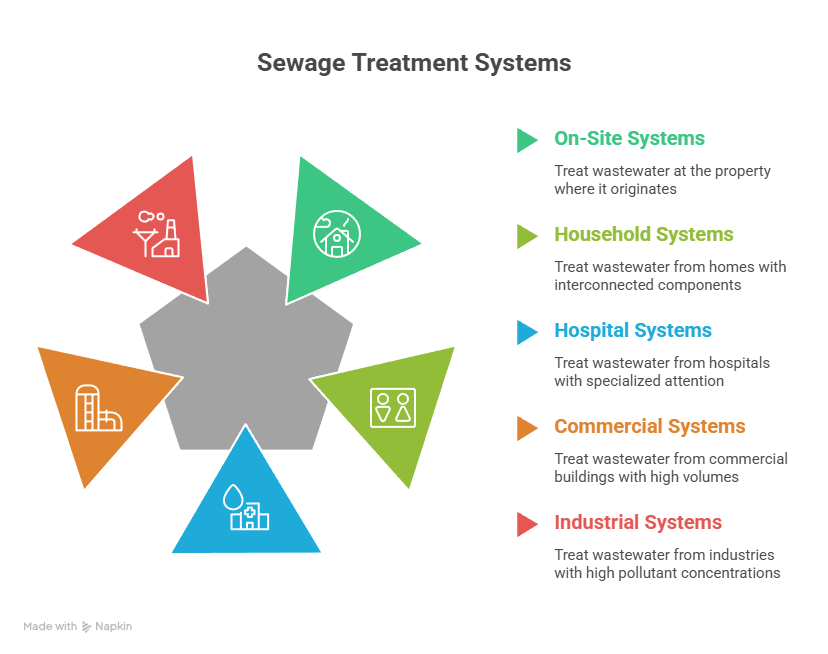
Multiple system categories exist to handle different wastewater scenarios. Each one is designed for specific property types and treatment requirements.
On Site Sewage Treatment Systems for Homes
On site sewage treatment systems treat wastewater at the property where it originates. This eliminates the need for connection to centralized municipal infrastructure. These decentralized systems serve up to 20 percent of homes in rural areas where mains sewerage remains unavailable. Homeowners without access to mains sewerage must install systems that filter and discharge waste without causing pollution. The law requires this.
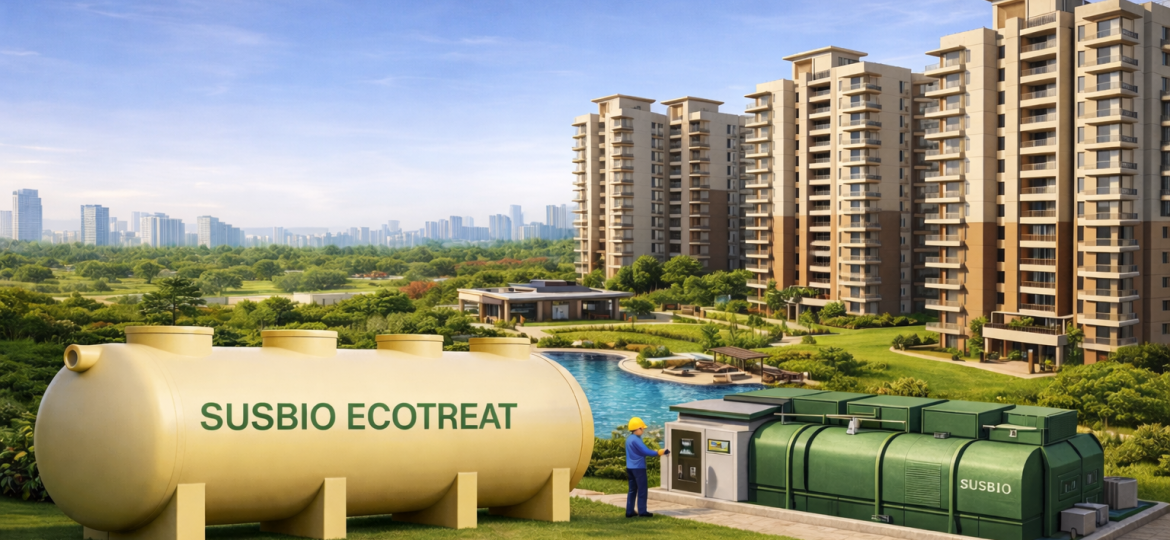
Home sewage treatment systems range from conventional septic tanks to advanced aerobic treatment units. Conventional systems consist of a septic tank paired with a subsurface drainfield for final treatment and dispersal. Alternative configurations include chamber systems and drip distribution systems. Mound systems work for shallow soil conditions, and constructed wetland systems mimic natural treatment processes. Aerobic treatment units inject oxygen into treatment tanks. This increases bacterial activity and provides additional nutrient treatment. These systems prove beneficial for homes with smaller lots, inadequate soil conditions, high water tables, or proximity to sensitive surface water bodies.
Household Sewage Treatment Systems and Their Components
Residential sewage treatment systems comprise interconnected components that work together to remove contaminants and reduce harmful microorganisms. All household wastewater flows into the treatment tank first. Sedimentation allows heavier particles to sink and form sludge while lighter materials like oils and grease float to create a scum layer. This physical separation prevents solids from overwhelming subsequent stages.
The aeration chamber introduces oxygen through diffusers or mechanical aerators. This promotes aerobic bacteria growth. These microorganisms consume organic matter and break it down into simpler compounds. Biochemical oxygen demand and chemical oxygen demand drop by a lot. Water flows into the clarification zone after aeration. Remaining suspended solids settle out there. The disinfection unit serves as the final defense against pathogens through chlorination, UV light, or ozonation. The control board oversees timing and duration of each treatment stage. It controls pumps, blowers, and mechanical components to ensure efficient operation.
Sewage Treatment Systems for Hospitals and Commercial Buildings
Sewage treatment systems for hospitals demand specialized attention. Hospital wastewater contains potentially dangerous components including infectious agents, pharmaceutical residues, and chemical contaminants. Small hospitals generate around 450 liters per patient daily, while nursing homes produce 350 liters per resident. Hospital sewage is different from residential wastewater. It poses serious environmental and public health risks without proper treatment.
Treatment technologies for hospitals include Conventional Activated Sludge Process and Sequential Batch Reactor for variable sewage flows. Membrane Bioreactor combines biological treatment with membrane filtration for high-quality effluent, and Constructed Wetlands serve as natural alternatives. Commercial buildings handling 200 or more employees need systems that process between 2,000 to 200,000 liters daily. Hotels, shopping malls, and office complexes generate wastewater from restrooms, food courts, maintenance work, and landscaping.
Industrial vs Residential Treatment Requirements
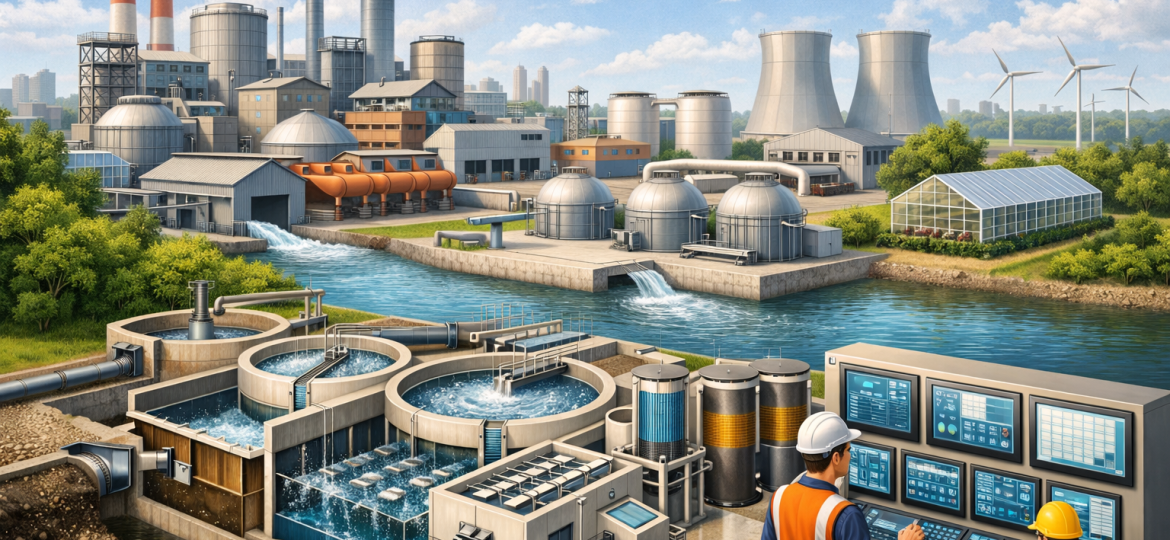
Sewage Treatment Plants handle domestic sewage from households, businesses, and institutional activities. They remove impurities through several stages: primary treatment for large solids, secondary biological treatment, and tertiary treatment for final purification. Effluent Treatment Plants treat industrial wastewater that contains chemicals, heavy metals, oil, and grease. Industrial wastewater contains pollutant concentrations that are much higher than municipal wastewater. This requires specialized equipment.
Municipal wastewater proves more diluted compared to industrial sources. It contains fewer toxic compounds. Industrial facilities need discharge permits that specify allowed pollutant levels. Treatment processes differ: STPs rely on biological methods that use microorganisms to break down organic matter. ETPs need advanced processes including coagulation, filtration, neutralization, and chemical precipitation. Sometimes membrane filtration or reverse osmosis is also required.
Comparing Traditional Septic Systems with Modern Treatment Plants
Septic tanks use simple gravity to separate solid and liquid waste. Wastewater treatment systems use mechanical components to introduce aerobic bacteria that break down waste in the liquid. The biggest difference involves discharge capabilities: sewage treatment plants can discharge into watercourses like rivers and streams, while septic tanks cannot. Treatment plants process wastewater through primary settlement, aeration stage, final settlement, and discharge stages. The effluent produced is 95% purified.
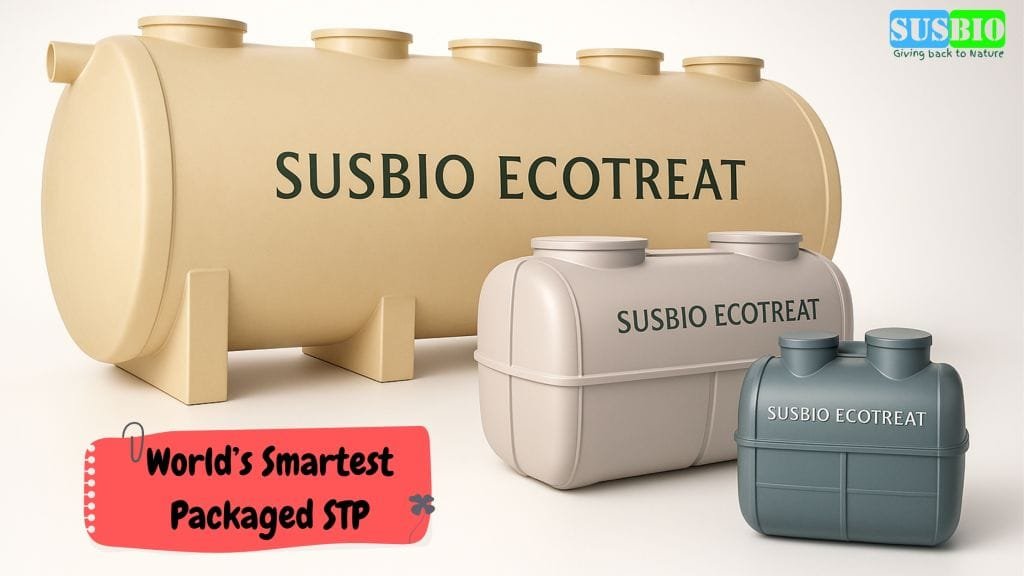
Septic tanks need emptying every 6-12 months. Modern treatment plants like BIOROCK need emptying only every 3-4 years. Simple septic tanks remove about 70% of original polluting matter, whereas modern packaged sewage treatment systems remove about 95% of pollutants. Treatment plants connect to power supplies for mechanical components and need more servicing than septic tanks, but empty less often. Bacteria in treatment plants remove up to 97.8% of pollutants before the effluent is discharged.
Essential Factors to Assess When Selecting Your Sewage Treatment System
Evaluating residential sewage treatment systems requires analyzing six interconnected factors that determine long-term performance and compliance.
Analyze Your Property Size and Wastewater Generation
Supplied water becomes wastewater at a rate of 70-90%, and this forms the baseline for capacity calculations. Calculate sewage generation using per capita water consumption measured in liters per person daily, which ranges from 135-150 LPCD for apartments. Peak Flow Factor accounts for surge periods, with values between 2.0-3.0 for residential sectors. To name just one example, a three-bedroom house counts as 5 people minimum, and each additional bedroom adds 1 person.
Understand Soil Conditions and Groundwater Levels
Soil permeability determines treatment effectiveness for on site sewage treatment systems. Best surface soils fall within fine sand, loamy sand and sandy loam ranges. Groundwater tables should stay at least 1 meter below infiltration basin bottoms during flooding periods. The vadose zone removes all suspended solids, biodegradable materials, bacteria and viruses when conditions are favorable. Annual hydraulic loading rates vary from 15 m/year to 100 m/year depending on soil type and climate.
Review Local Zoning Laws and Environmental Permits
Maharashtra buildings exceeding 20,000 square meters built-up area must install STPs. Healthcare establishments generating less than 100 KLD receive exemptions if discharging into municipal systems. Properties within 30 meters of public foul sewers cannot get private system permits in the UK. Florida requires permits for facilities discharging to surface waters under NPDES program requirements.
Determine Treatment Quality Standards You Must Meet
CPCB mandates BOD ≤10 mg/L, TSS ≤10 mg/L, COD ≤50 mg/L, and pH between 6.5-8.5. Fecal coliform limits stand at ≤100 MPN/100 mL. Nitrogen and phosphorus reductions become important where eutrophication risks exist.
Assess Original Investment vs Long-Term Operating Costs
Operational expenses consume 60-75% of total ownership costs over 20 years. Energy consumption for blowers represents 50-60% of total power in biological plants. Capital costs for UASB systems exceed WSP alternatives, and this makes WSP more economical in certain contexts.
Think About Water Reuse and Recycling Options
Treated sewage must be recycled for non-potable uses including gardening and flushing, with at least 50% meeting this requirement. Dual plumbing systems become mandatory for treated water distribution. Wastewater reuse can reduce water bills by up to 50% for households and businesses.
How to Evaluate and Compare Sewage Treatment System Options

After you assess property requirements and local regulations, you need to evaluate actual system options systematically. This evaluation covers four key areas.
Request Multiple Quotes and System Proposals
Contractors bidding for sewage treatment plant systems must demonstrate minimum qualifications. Bidders need at least 5 years of experience as STP operators or in managing and setting up treatment facilities. Average turnover for the last three years should reach minimum Rs. 3 lakhs, and audited balance sheets must support this. Contract value requirements vary: at least one single contract of Rs. 8 lakhs in the last 5 years, or two contracts of Rs. 5 lakhs, or three contracts of Rs. 4 lakhs.
Proposals should specify installation timelines. To cite an instance, a 5 MLD capacity system should install within 8 weeks from contract award and include civil works. Pricing varies by capacity: small systems (1-10 KLD) cost Rs. 250,000 to Rs. 500,000, medium systems (20-50 KLD) range Rs. 120,000 to Rs. 300,000, while large systems (100+ KLD) exceed Rs. 4,000,000.
Compare Treatment Efficiency and Output Quality
Treatment efficiency is different substantially between technologies. UASB systems achieve TSS removal of 90.2%, BOD of 87.4%, COD of 86.96%, and VSS of 86.4%. ASP systems show TSS removal at 88.8%, BOD at 90.07%, COD at 84.15%, and VSS at 90.5%. Extended Aeration Activated Sludge demonstrates best efficiency when you compare four technologies. MBBR follows, while SBR shows lowest performance.
Check Manufacturer Reputation and Warranty Terms
Select manufacturers with 10+ years in business and verified project portfolios. CPCB approval remains mandatory for legal compliance. ISO 9001:2015 certification indicates quality management. Warranty terms matter: advanced systems offer 10-year media warranties and 25-year tank warranties. Request 24/7 technical support and local service teams to get faster response.
Review Energy Consumption and Sustainability Features
Energy represents a major operational expense. Water treatment accounts for 1.8-5.4% of total global electricity consumption. Wastewater treatment plants consume between 0.5-2.0 kWh per cubic meter of treated water. Modern eco friendly sewage treatment systems use 90% less electricity than traditional STPs. Power consumption specifications should not exceed 150 kWh per ML. Advanced systems feature IoT monitoring that tracks COD, BOD, TSS, pH levels, equipment performance, and water levels with predictive maintenance alerts.
Making the Final Decision and Implementation Planning
Once you compare options, you need three critical steps to implement your chosen sewage treatment plant systems and ensure successful operation.
Select a Certified Installer and Service Provider
Choose partners that show reliability, appropriate technology expertise, deep compliance understanding and dependable service beyond equipment sales. ISO 9001:2015 certification indicates quality management standards that are over 8 years old. The installation process should follow a systematic approach: original consultation and site assessment to understand capacity needs and effluent standards, customized design selecting appropriate technology like MBBR or SBR, professional installation with close project management, commissioning with biological process stabilization and rigorous effluent testing, and handover with detailed documentation and operator training.
Prepare Installation Timeline and Site Requirements
Installation spans 4-12 weeks from original consultation to final inspection. Schedule late spring through early fall to avoid weather-related delays. Clear access routes for contractors, coordinate with other construction activities and prepare detailed documentation to accelerate permitting processes.
Set Up Regular Maintenance and Inspection Schedules
Perform visual inspections monthly. Clean tanks every 6-12 months based on usage levels. Inspect pumps and control systems every 3 months. Schedule pumping every 3-5 years for conventional septic systems. Professional servicing should occur at least once a year. Remove sludge when it reaches 50% capacity in the chamber immediately. Detailed system evaluations by qualified professionals every 3-5 years complement routine maintenance.
Conclusion
You now have everything you need to select the perfect sewage treatment system for your property. We’ve covered the critical factors from environmental compliance to cost analysis, and from system types to implementation planning.
Assess your property’s wastewater generation and local regulations first. You should compare multiple quotes with attention to treatment efficiency and operating costs over time. The right system balances upfront investment with operational sustainability.
Note that this decision affects your property for decades. Certified installers are essential, and you must establish regular maintenance schedules. Think over water reuse options to get the most from your investment.
Your compliance, cost savings, and environmental responsibility all depend on the choice you make today.
Frequently Asked Questions
Q1. What are the main types of sewage treatment technologies?
Sewage treatment relies on four primary technologies: physical treatment (removing solid particles through screening and sedimentation), biological treatment (using microorganisms to break down organic matter), chemical treatment (adding substances to remove specific contaminants), and sludge treatment (processing the solid waste byproducts). These technologies work together to transform wastewater into treated water safe for discharge or reuse.
Q2. Are aerobic septic systems a good choice for residential properties?
Aerobic septic systems are highly efficient at managing household waste and rank among the best residential treatment options available. They inject oxygen into the treatment process, which increases bacterial activity and provides superior nutrient removal compared to conventional systems. While they cost more initially and require electricity to operate, they’re particularly beneficial for properties with limited space, poor soil conditions, or proximity to water bodies.
Q3. Can sewage treatment plants generate revenue or reduce operating costs?
Yes, modern treatment plants can significantly offset operational costs through resource recovery. Biogas produced from sewage sludge can power the entire facility, with some plants generating 120% of their energy requirements. Additional revenue streams include selling recovered nutrients as fertilizers, converting sludge into soil conditioners, and extracting valuable metals. Some facilities even achieve energy self-sufficiency while reducing water bills by up to 50% through water reuse programs.
Q4. How much does it cost to install a sewage treatment system?
Installation costs vary significantly based on system capacity. Small residential systems (1-10 KLD capacity) typically range from Rs. 250,000 to Rs. 500,000. Medium-sized systems (20-50 KLD) for larger homes or small commercial properties cost between Rs. 120,000 and Rs. 300,000. Large commercial or industrial systems (100+ KLD) exceed Rs. 4,000,000. Remember that operational expenses consume 60-75% of total ownership costs over a 20-year period, making long-term efficiency crucial.
Q5. How often do sewage treatment systems require maintenance?
Maintenance frequency depends on the system type. Modern packaged treatment plants require monthly visual inspections, quarterly pump and control system checks, and tank cleaning every 6-12 months based on usage. Professional servicing should occur at least annually. Conventional septic tanks need pumping every 3-5 years, while advanced treatment systems like BIOROCK only require emptying every 3-4 years. Comprehensive professional evaluations every 3-5 years help ensure optimal long-term performance.