

Kuwait faces significant challenges from rapid urbanization and a growing lack of water, making sewage treatment plant manufacturers crucial partners in green development. The nation relies heavily on desalination for daily water needs, and wastewater management plays a vital role in protecting the environment and conserving resources. Modern sewage treatment solutions must deliver reliability and efficiency while meeting strict environmental standards.
Government and private sector investments in infrastructure continue to fuel the need for water treatment plants in Kuwait. The country’s sewage treatment facilities have adapted to serve industries of all types – from food and beverage to pharmaceutical, oil, and gas sectors. Kuwait’s wastewater treatment plants now feature innovative technologies like Moving Bed Biofilm Reactor (MBBR), Sequential Batch Reactor (SBR), and Upflow Anaerobic Sludge Blanket (UASB). Kuwait’s steadfast dedication to large-scale solutions shines through the Umm Al Hayman Wastewater Project, which boasts a treatment plant handling 500,000 m³ daily and can expand to 700,000 m³ per day.
Sewage Treatment Needs in Kuwait’s Urban and Industrial Growth
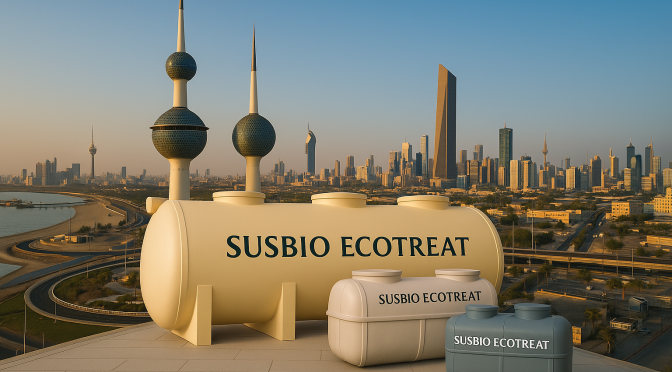
Kuwait’s arid climate creates unique challenges in managing water nationwide. The country has developed specialized sewage treatment infrastructure that addresses specific regional needs.
Water lack and desalination dependency
Kuwait ranks among the world’s most water-stressed countries with severe freshwater limitations. The country depends heavily on desalination plants that produce about 900 million imperial gallons of water daily. This dependence creates a cycle of challenges – desalination needs substantial energy, creates brine waste, and the treated water eventually becomes wastewater that needs treatment. Sewage treatment plant manufacturers in Kuwait must design systems that work well with this water cycle.
Desalination and wastewater treatment’s connection has led to breakthroughs in water recycling solutions. Kuwait’s modern wastewater treatment plants focus on reclaiming water for non-potable uses. This reduces the load on desalination infrastructure and saves valuable resources.
Urbanization and wastewater generation trends
Urban expansion in Kuwait continues steadily. Over 98% of its population lives in developed areas, which creates large wastewater volumes that need quick processing. Growth in petroleum processing, manufacturing, and commercial sectors has also made wastewater streams more diverse.
Kuwait’s sewage treatment infrastructure handles growing volumes and different wastewater characteristics. This has led to multi-stage treatment systems that process complex effluent mixtures and maintain consistent output quality.
Environmental regulations and compliance needs
Kuwait’s environmental protection has evolved with tougher regulations on wastewater discharge. Current standards require:
- BOD removal of at least 95% for treated effluent
- Suspended solids reduction to below 10 mg/L
- Elimination of pathogenic organisms through disinfection
- Nutrient removal to prevent algal blooms in receiving waters
These regulations have changed how Kuwait’s wastewater treatment facilities operate. Manufacturers design systems with advanced biological treatment stages, tertiary filtration, and sophisticated monitoring capabilities. The push toward water reuse has added new quality parameters that ensure treated water meets specific application requirements.
This regulatory framework has created a fundamental change toward sophisticated treatment technologies. These technologies meet compliance requirements and support Kuwait’s broader environmental sustainability goals.
Modern Technologies Used in Kuwait Sewage Treatment Plants
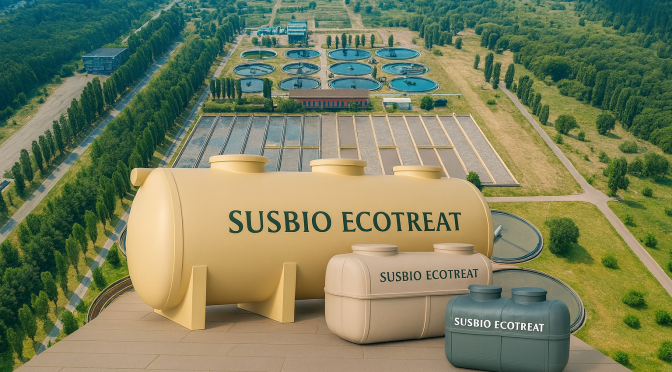
Kuwait’s wastewater infrastructure depends on advanced biological treatment technologies. These technologies help treat high-strength industrial and municipal effluent in arid conditions.
MBBR (Moving Bed Biofilm Reactor) for high-load treatment
Moving Bed Biofilm Reactor technology has become increasingly popular in Kuwait. It handles high organic loading rates while maintaining a compact footprint. The process employs specially designed plastic carriers that create a large surface area for biofilm development – up to 600 m²/m³ at high filling ratios. Biofilm-covered carriers move continuously within aeration tanks, and microorganisms break down organic pollutants effectively.
MBBR systems work well for Kuwait’s treatment needs:
- Compact design needs 25-35 square meters to process up to 600 kg COD per day
- Better resistance to load shocks and influent changes
- Sludge age works independently from hydraulic retention time
- Less sludge production than conventional systems
SBR (Sequential Batch Reactor) for batch processing
Sequential Batch Reactors work through a time-based sequence of fill, react, settle, and decant phases in one tank. The process has shown great results in Kuwait, including the 4,000 m³ per day Al-Wafra plant. SBR technology completes treatment in three eight-hour batches daily. This makes it ideal for areas with limited space.
UASB (Upflow Anaerobic Sludge Blanket) for energy-efficient treatment
UASB systems treat wastewater by flowing it upward through a dense sludge blanket. This anaerobic process removes about 80.45% of COD while producing methane-rich biogas. The technology uses less energy than aerobic systems and produces 56% methane. The process creates granular sludge that settles extremely well, with a very low sludge volume index.
Tertiary treatment and disinfection systems
Tertiary systems remove remaining contaminants through filtration and disinfection after biological treatment. These processes eliminate pathogens, suspended solids, and nutrients before discharge or reuse. UV disinfection has emerged as a chemical-free option that kills pathogens quickly. This supports Kuwait’s water reuse initiatives without creating harmful disinfection byproducts.
Packaged and Modular STPs for Space-Constrained Projects
Kuwait’s urban areas face a major space crunch. Packaged sewage treatment plants have become the best solution for both homes and businesses. These compact systems help manage wastewater without taking up much land.
SUSBIO ECOTREAT: Compact design and plug-and-play setup
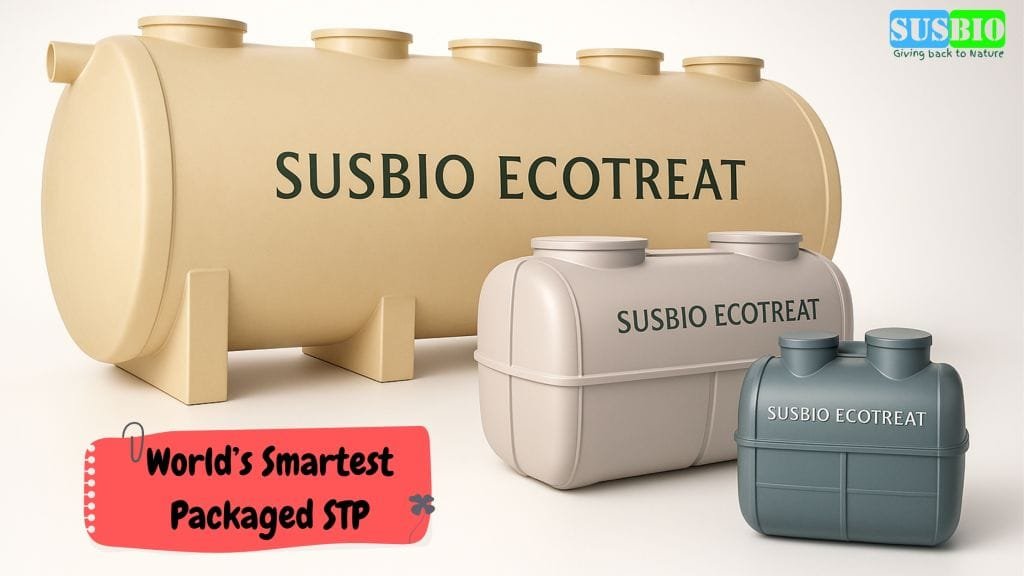
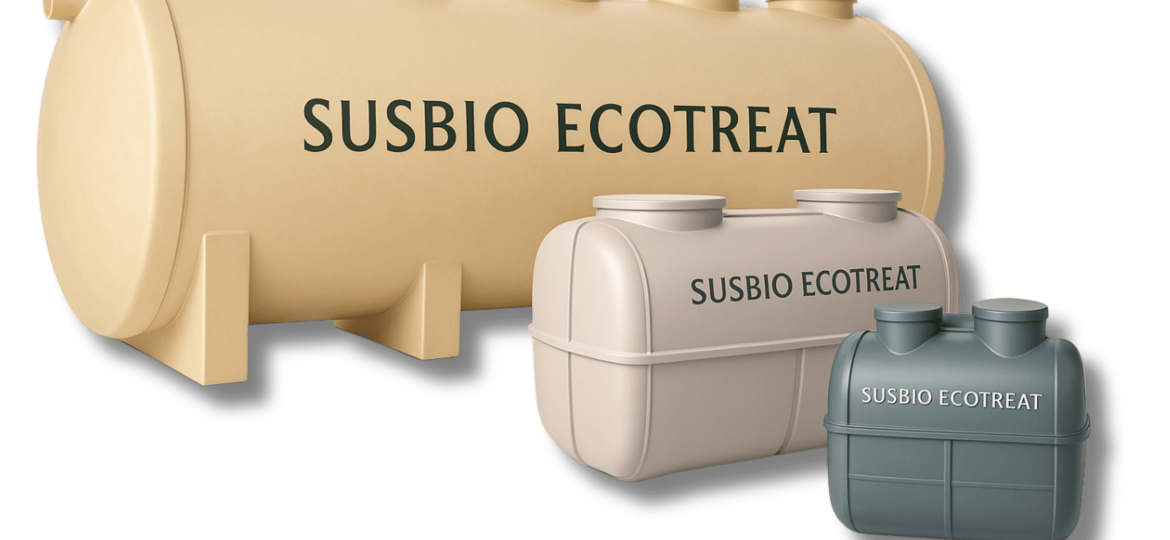
SUSBIO ECOTREAT leads other sewage treatment plant in Kuwait with its prefabricated, modular design. The system uses fiber-reinforced plastic that makes it incredibly durable and easy to set up. Quick installation and minimal construction work make this system perfect for projects with limited space.
Energy-efficient operation with low maintenance
The system runs at peak efficiency and uses 90% less power than standard systems. Its innovative dual-treatment process combines anaerobic and aerobic methods to save energy. Advanced automation means the system needs very little human oversight, which cuts down both operating costs and maintenance needs.
Reuse of treated water for landscaping and cooling
Kuwait makes good use of treated water from these packaged plants. About 270,000 m³ goes into watering landscapes each day. The water also helps cool thermal power plants. This smart reuse helps Kuwait depend less on desalinated water.
Compliance with Kuwait’s discharge norms
These compact systems follow Kuwait’s environmental rules strictly and deliver consistent quality treatment. Advanced biological processes ensure the treated water meets or exceeds local standards. This supports Kuwait’s goals to manage wastewater responsibly and sustainably.
SUSBIO: Leading Sewage Treatment Plant Manufacturer in Kuwait
Water reuse plays a vital role in Kuwait’s sustainability strategy. SUSBIO stands out as Kuwait’s leading sewage treatment plant manufacturer. The company brings groundbreaking solutions that tackle the unique wastewater challenges in this water-stressed nation.
Custom-built STPs for industrial, commercial, and municipal use
SUSBIO creates tailored sewage treatment solutions that work in a variety of applications throughout Kuwait. Their custom-built systems handle different effluent characteristics from industrial processes, commercial establishments, and municipal sources. These bespoke plants deliver optimal treatment efficiency whatever the wastewater composition or volume changes. This flexibility makes SUSBIO the perfect partner for Kuwait’s growing industrial sector.
Turnkey services: design, fabrication, installation, and O&M
SUSBIO does more than just supply equipment. The company provides complete project delivery from concept through long-term operation. Their services cover the original site assessment, engineering design, manufacturing, on-site installation, commissioning, and ongoing maintenance. This unified service approach eliminates the hassle of coordinating multiple contractors. Project timelines move faster while maintaining system integrity throughout the plant’s lifecycle.
In-house R&D and quality assurance protocols
SUSBIO’s steady investment in research has produced technologies that work better than traditional solutions in both efficiency and reliability. The company’s quality assurance process tests systems thoroughly at both design and manufacturing stages to guarantee performance integrity. Each system goes through structured validation against environmental compliance metrics before deployment.
Export capabilities and international compliance
SUSBIO treatment systems meet or exceed international water quality standards. They blend smoothly into Kuwait’s regulatory framework. This compliance has made SUSBIO a trusted provider for projects across the region.
Conclusion
Sewage treatment plants are vital to Kuwait’s sustainable development. Water shortages, rapid urbanization, and strict environmental regulations create unique challenges that need specialized wastewater management solutions. Advanced technologies like MBBR, SBR, and UASB have changed Kuwait’s approach to these challenges. These solutions offer quick treatment processes and need less space.
SUSBIO ECOTREAT shows how sewage treatment plant design has evolved to fit Kuwait’s space-limited urban areas. These compact solutions work better and use less energy than traditional systems. The reuse of treated wastewater for landscaping and cooling helps reduce dependence on desalinated water.
SUSBIO leads other sewage treatment plant manufacturers with its focus on custom solutions and complete service delivery. Their all-in-one approach covers everything from original design to long-term maintenance. This removes the need to coordinate multiple contractors. Their integrated method protects system quality and speeds up project completion.
Kuwait’s wastewater management future looks bright as manufacturers create new solutions for the country’s changing needs. Proper sewage treatment goes beyond environmental rules—it reflects Kuwait’s green vision and resource conservation strategy. Water treatment infrastructure will remain vital as Kuwait manages urban growth and environmental protection in this water-stressed region.
Key Takeaways
Kuwait’s water scarcity and rapid urbanization drive the critical need for advanced sewage treatment solutions that maximize water reuse and minimize environmental impact.
• Advanced technologies like MBBR, SBR, and UASB offer compact, energy-efficient treatment with 95% BOD removal rates for Kuwait’s space-constrained projects.
• Packaged systems consume 90% less electricity than conventional plants while enabling plug-and-play installation for quick deployment in urban areas.
• Treated wastewater supports 270,000 m³ daily irrigation and cooling applications, reducing dependency on energy-intensive desalination processes.
• Turnkey service providers like SUSBIO deliver comprehensive solutions from design to maintenance, streamlining project timelines and ensuring regulatory compliance.
• Strict environmental regulations mandate advanced tertiary treatment with pathogen elimination and nutrient removal to meet Kuwait’s discharge standards.
The evolution toward modular, energy-efficient sewage treatment systems represents Kuwait’s strategic approach to balancing urban growth with water conservation in one of the world’s most water-stressed regions.
Frequently Asked Questions
Q1. What are the main challenges for sewage treatment in Kuwait? Kuwait faces water scarcity, rapid urbanization, and strict environmental regulations. These factors necessitate advanced sewage treatment solutions that can efficiently process high volumes of wastewater while conserving resources and meeting stringent discharge standards.
Q2. What modern technologies are used in Kuwait’s sewage treatment plants? Kuwait’s sewage treatment plants utilize advanced technologies such as Moving Bed Biofilm Reactor (MBBR), Sequential Batch Reactor (SBR), and Upflow Anaerobic Sludge Blanket (UASB). These technologies offer efficient treatment processes while maintaining smaller footprints.
Q3. How do packaged sewage treatment plants benefit Kuwait’s urban areas? Packaged systems like SUSBIO ECOTREAT are ideal for space-constrained urban environments in Kuwait. They offer compact designs, quick installation, energy-efficient operation, and low maintenance requirements while meeting local discharge norms.
Q4. What are the advantages of SUSBIO as a sewage treatment plant manufacturer? SUSBIO offers custom-built solutions for various industries, provides turnkey services from design to maintenance, invests in in-house R&D, and ensures compliance with international standards. Their integrated approach streamlines project implementation and guarantees system integrity.
Q5. How does treated wastewater contribute to Kuwait’s sustainability efforts? Treated wastewater in Kuwait is reused for landscape irrigation and cooling applications in thermal power plants. This practice helps reduce dependency on desalinated water, supporting the country’s water conservation and sustainability goals in a water-stressed region.