


A Water Treatment Plant (WTP) is a facility that treats raw water from a source — borewell, river, lake, or municipal supply — through physical, chemical, and biological processes to remove suspended solids, dissolved contaminants, bacteria, and hardness, making it suitable for drinking, industrial processes, or discharge. In India, WTPs are mandatory for industries, commercial buildings, and housing societies that draw water from groundwater or surface sources and need to meet IS:10500 drinking water standards or BIS industrial water quality norms before use.
The term WTP in India is used for two different but related things — and the confusion between them is the source of many specification errors. The first is a Water Treatment Plant that purifies raw water (from a borewell, river, or reservoir) into potable or process-usable water. The second, which some people also call a WTP, is actually a Wastewater Treatment Plant that treats sewage or effluent before discharge or reuse.
This guide covers the first meaning — the Water Treatment Plant that takes raw, untreated water and makes it usable. If you are looking for information on treating sewage or wastewater, the correct term is STP (Sewage Treatment Plant) or ETP (Effluent Treatment Plant), both of which SUSBIO also designs and manufactures.
Understanding what a WTP does, how it works, and when you need one is important for any industrial facility, commercial building, housing complex, or hospital in India that draws water from a source other than a fully treated municipal supply — or even for those that draw from municipal supply but need additional treatment for specific applications.
What Is a Water Treatment Plant (WTP)?
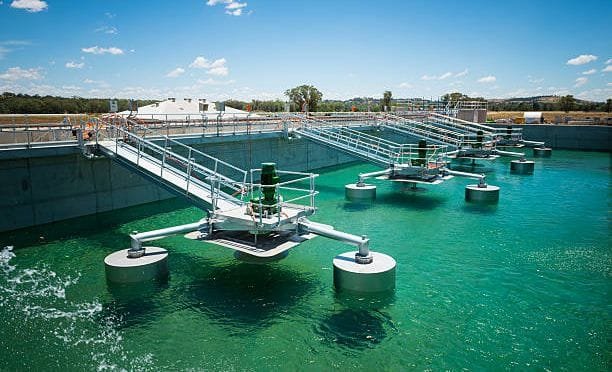
A Water Treatment Plant is a system that takes raw water from a source — borewell, open well, river intake, lake, rainwater harvesting tank, or municipal supply — and treats it through a series of physical, chemical, and biological processes to remove:
- Suspended solids and turbidity — sand, silt, clay, and other particles that make water visibly cloudy
- Dissolved chemicals — iron, manganese, arsenic, fluoride, nitrates, heavy metals depending on source
- Hardness — calcium and magnesium salts that cause scale in pipes, boilers, and appliances
- Bacteria, viruses, and pathogens — microbiological contamination from groundwater or surface sources
- Chlorine and disinfection byproducts — from municipal supply that requires further polishing
- Colour and odour — from organic matter, iron, or algae in source water
The output of a WTP is water that meets the required quality standard for its intended use — drinking water (IS:10500:2012), boiler feed water, cooling tower makeup water, process water for manufacturing, or RO feed water for further purification.
WTP vs STP vs ETP — The Critical Distinction
These three plant types are frequently confused in India — by building owners, by consultants, and even in some supplier proposals. Understanding the difference prevents expensive specification errors:
| Plant Type | Full Form | What It Treats | Output | When You Need It |
|---|---|---|---|---|
| WTP | Water Treatment Plant | Raw water from borewell, river, municipal supply — before use | Clean water for drinking, industrial process, or boiler/cooling feed | Any facility drawing water from a source that does not meet required quality for its intended use |
| STP | Sewage Treatment Plant | Domestic sewage from toilets, bathrooms, kitchens — after use | Treated water safe for discharge or reuse for flushing/irrigation | Any building above CPCB/SPCB thresholds generating domestic wastewater |
| ETP | Effluent Treatment Plant | Industrial process wastewater containing specific pollutants — after industrial use | Treated effluent meeting SPCB industrial discharge norms | Any industrial facility generating process wastewater before discharge |
The most common confusion we see: building owners who ask for a WTP when they need an STP, or who install an STP and think it doubles as a WTP. These are completely different systems treating water at different points in the building’s water cycle — one treats incoming raw water before use, the other treats outgoing wastewater after use. A building may need both, either, or neither depending on its water source and wastewater generation.
How a Water Treatment Plant Works — The Treatment Process
A WTP’s treatment train depends entirely on the raw water characteristics and the required output quality. There is no single standard WTP process — the correct configuration must be designed around water quality data from the specific source. That said, most WTPs in India treating borewell or surface water follow a broadly similar sequence:
Stage 1 — Screening and Pre-filtration
Removes large suspended particles, debris, and sediment from the raw water before chemical treatment. For borewell water, a media filter (multi-grade sand filter) removes turbidity. For surface water or river intake, coarser screening precedes the sand filter.
Stage 2 — Coagulation and Flocculation (for surface water / high turbidity)
Coagulants — typically alum (aluminium sulphate) or polyaluminium chloride (PAC) — are dosed into the raw water to destabilise suspended particles and cause them to aggregate into larger flocs. The flocculated water passes to a sedimentation tank where flocs settle under gravity, removing 70 to 90% of suspended solids.
Stage 3 — Pressure Sand Filter (PSF)
Raw or pre-treated water passes through a bed of graded sand under pressure. The sand bed traps remaining suspended solids and turbidity. Backwashing at regular intervals cleans the filter bed. Produces water with turbidity below 1 NTU — the standard for further treatment steps.
Stage 4 — Activated Carbon Filter (ACF)
Removes colour, odour, chlorine (for municipal supply), dissolved organic compounds, and certain pesticide residues. The activated carbon bed adsorbs these contaminants. Essential for WTPs treating municipal supply for drinking water polishing, and for pre-treatment before RO membranes.
Stage 5 — Softening (for hard water)
Removes calcium and magnesium hardness that causes scale in boilers, heat exchangers, cooling towers, and plumbing. Two technologies are used: ion exchange softeners (for drinking water and general use — exchange calcium and magnesium for sodium) and antiscalant dosing systems (for RO pre-treatment and cooling towers). Borewell water across most of peninsular India — Karnataka, Tamil Nadu, Maharashtra, Rajasthan, Gujarat — is severely hard (above 400 mg/L as CaCO3) and requires softening.
Stage 6 — Reverse Osmosis (RO) (where required)
RO membranes remove dissolved salts (TDS), heavy metals, nitrates, fluoride, and other dissolved contaminants that sand filtration and carbon filtration cannot address. The RO system operates under high pressure — typically 10 to 15 bar for borewell water treatment. RO is required when TDS exceeds 500 mg/L (IS:10500 limit for drinking water) or when specific dissolved contaminants — arsenic, fluoride, nitrates — exceed permissible limits.
Stage 7 — Disinfection (UV / Chlorination)
Final pathogen kill before use or storage. UV disinfection is preferred for drinking water applications — it does not add chemicals or create disinfection byproducts. Chlorination is used for storage tanks and distribution systems where residual disinfection is needed to prevent bacterial regrowth during storage.
Not every WTP needs all seven stages. A borewell water treatment plant for a residential building in a low-TDS area may only need stages 1, 3, 4, and 7. A WTP for a pharmaceutical manufacturing facility may need all seven plus additional polishing steps including deionization or ultrapure water production. The design must be driven by water quality data and end-use requirements — not a generic equipment package.
Types of Water Treatment Plants Used in India
WTPs in India are broadly categorised by the source water they treat and the end use they serve:

| WTP Type | Source Water | Treatment Train | Typical Application |
|---|---|---|---|
| Borewell / Groundwater WTP | Borewell / tubewell | PSF + ACF + Softener + UV (± RO for high TDS) | Residential buildings, hotels, industrial facilities in areas without reliable municipal supply |
| Surface Water / River WTP | River, lake, reservoir intake | Screening + Coagulation + Sedimentation + PSF + ACF + Chlorination | Large industries, municipalities drawing from surface sources |
| Municipal Supply Polishing WTP | Municipal piped water | ACF + UV (± Softener, ± RO) | Buildings in areas with municipal supply but poor water quality |
| Industrial Process WTP | Borewell or municipal | PSF + ACF + Softener + RO + DM/DI (deionization) | Pharmaceuticals, electronics, boiler feed, cooling tower makeup |
| Rainwater Harvesting WTP | Rooftop or surface runoff | Screening + PSF + ACF + UV | Green buildings, ZLD projects, water-scarce campuses |
| Desalination (RO/SWRO) | Seawater or brackish groundwater | Pre-treatment + High-pressure RO + Post-treatment | Coastal industries, water-scarce industrial zones |
How Water Treatment Plants Combat Water Pollution
Water pollution arises when harmful substances are introduced into water sources, making them unfit for consumption or ecological balance. The role of water treatment plants is critical in combating this problem:
- Efficient Wastewater Management: Properly treated wastewater can be reused, reducing the need to draw fresh water from natural sources.
- Reduction in Toxic Discharges: Industrial wastewater often contains hazardous chemicals. WTPs remove these toxins, preventing contamination of rivers and groundwater.
- Encouraging Environmental Conservation: By ensuring that treated water is safely released, WTPs protect wetlands, rivers, and marine ecosystems.
When Does a Building or Industry in India Need a WTP?
WTP requirements in India are driven by a combination of regulatory mandates and practical necessity:
Regulatory requirement
- Industries drawing from groundwater require a No Objection Certificate from the Central Ground Water Authority (CGWA) for extraction above permitted limits — WTP design is part of CGWA documentation
- CPCB and SPCB environmental clearances for large industrial projects require WTP design to demonstrate that raw water quality meets process requirements without contaminating the product
- FSSAI requirements for food and beverage manufacturing specify treated water quality standards that raw borewell water rarely meets — a WTP is mandatory before any food contact water use
- Pharmaceutical manufacturing — Schedule M GMP requirements under the Drugs and Cosmetics Act specify purified water and water for injection (WFI) standards that require multi-stage WTP treatment
Practical necessity
- Borewell TDS above 500 mg/L (common in most of peninsular India) — water is undrinkable and potentially damaging to appliances and plumbing without RO treatment
- Iron content above 0.3 mg/L (common in eastern India, parts of Maharashtra, Kerala) — causes staining, taste problems, and clogs membranes — iron removal filter required
- Hardness above 300 mg/L CaCO3 (common across India) — causes scale in boilers, geysers, cooling towers — softener required
- Fluoride above 1.5 mg/L (endemic in Rajasthan, Gujarat, parts of Andhra Pradesh, Karnataka) — causes fluorosis — defluoridation treatment required
- Municipal supply unreliable or not available — any building relying on its own groundwater source needs a WTP to ensure safe water quality
WTP and Water Pollution Prevention — The Connection
The connection between water treatment plants and water pollution prevention works in two directions:
WTPs protect users from polluted water
India’s groundwater is under increasing contamination pressure from industrial discharge, agricultural runoff, and improper waste disposal. Arsenic contamination affects parts of West Bengal, Bihar, and Uttar Pradesh. Nitrate contamination from agricultural areas is widespread across Punjab, Rajasthan, and Tamil Nadu. Fluoride contamination is endemic across several states. A properly designed WTP removes these contaminants before the water reaches users — protecting public health from the downstream effects of upstream pollution.
WTPs combined with STPs close the water cycle
A facility that has both a WTP (treating incoming water) and an STP (treating outgoing sewage) can close its water cycle — using STP-treated water for non-potable applications like flushing, irrigation, and cooling, while the WTP treats fresh borewell water only for potable and process use. This reduces total freshwater withdrawal and prevents untreated sewage from reaching groundwater and surface water bodies.
In our projects at SUSBIO, we increasingly see large industrial campuses, IT parks, and institutional campuses specifying both WTP and STP as integrated water management systems — with the STP treated water going back to the cooling tower or flushing system, and the WTP treating only the top-up freshwater requirement. This is the direction India’s industrial water management is moving — and it is the right direction.
The Role of Wastewater Treatment Plants in Preventing Water Pollution
While water treatment plants focus on purifying raw water for safe consumption, wastewater treatment plants (WWTPs) are equally critical in preventing environmental pollution. Wastewater generated from households, industries, hotels, and institutions often carries harmful contaminants such as organic matter, chemicals, and pathogens. If discharged untreated, this sewage can pollute rivers, lakes, and groundwater, leading to severe health hazards and ecological damage.
A wastewater treatment plant processes this sewage through physical, biological, and chemical methods to remove pollutants before releasing the treated water back into the environment. In India, the Central Pollution Control Board (CPCB) has made it mandatory for housing societies, factories, and commercial complexes above certain capacities to install sewage treatment plants (STPs).
Key Benefits of Wastewater Treatment Plants
-
 Pollution Prevention: Stops untreated sewage from entering natural water bodies.
 -
Water Reuse: Treated wastewater can be recycled for gardening, flushing, cooling towers, and landscaping.
-
Compliance with Regulations: Ensures adherence to CPCB and state pollution control board discharge standards.
-
Public Health Protection: Reduces the risk of waterborne diseases caused by contaminated water.
-
Sustainability: Contributes to water conservation and supports the circular economy.
 Pollution Prevention: Stops untreated sewage from entering natural water bodies.
Modern Solutions: Packaged Wastewater Treatment Plants
Traditional concrete-based STPs require large spaces, long construction times, and high operational costs. Modern alternatives like packaged wastewater treatment plants offer a more efficient and eco-friendly option.
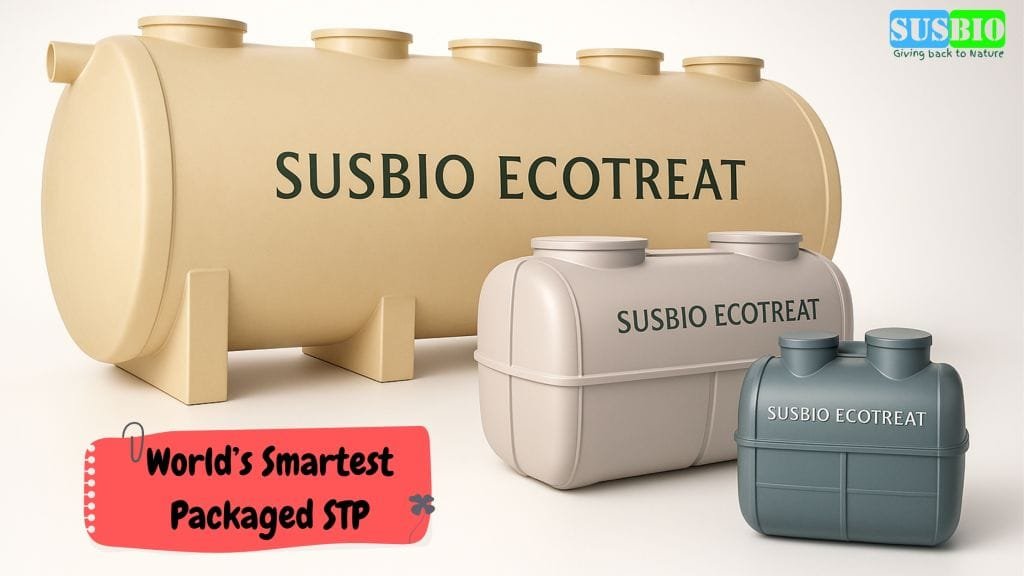
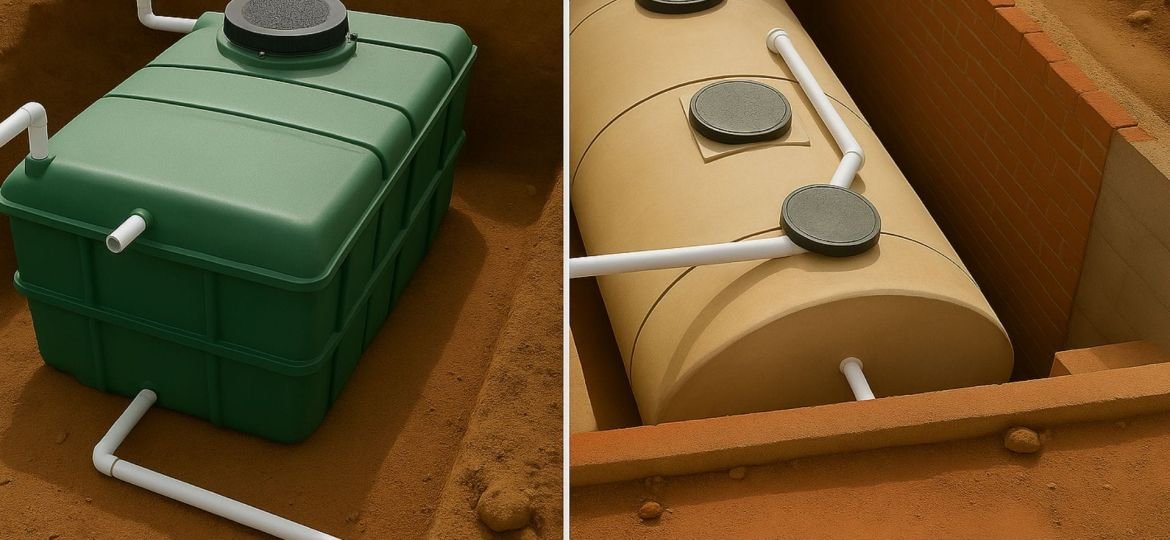
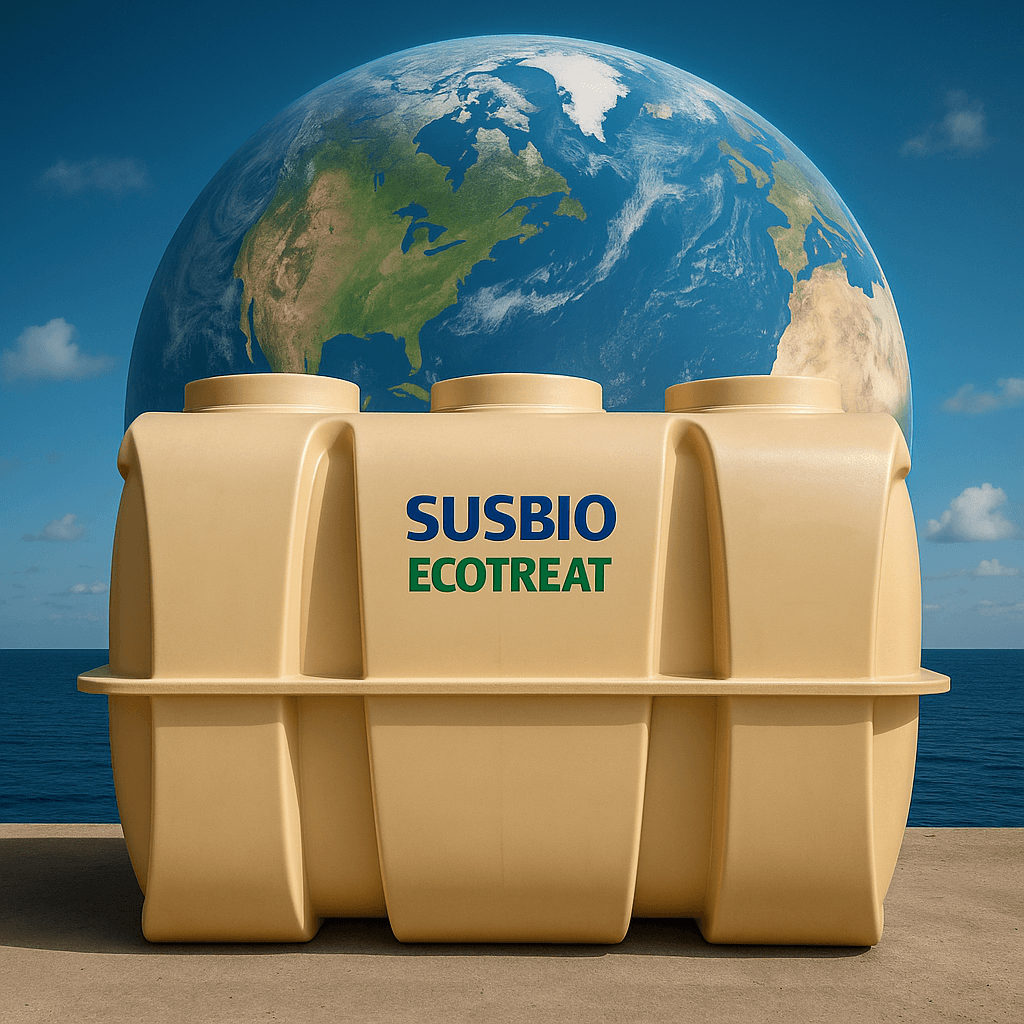
SUSBIO ECOTREAT, for example, is a prefabricated, plug-and-play sewage treatment system built with fiber-reinforced plastic (FRP). It combines anaerobic and aerobic treatment in a compact design, reduces power consumption by up to 90%, operates silently without odor, and meets CPCB discharge norms. This makes it ideal for residential apartments, industries, hotels, schools, and hospitals looking for a reliable and cost-effective wastewater treatment solution.
Key Parameters in Water Quality Assessment — What to Test Before Designing a WTP
Every WTP design must begin with a water quality analysis of the source. Designing a WTP without source water data is guesswork — and the wrong treatment process for your water quality will produce non-compliant water despite the capital investment. Here are the key parameters to test:
| Parameter | IS:10500 Permissible Limit | Why It Matters | Treatment if Exceeded |
|---|---|---|---|
| TDS (Total Dissolved Solids) | 500 mg/L (max 2000) | Overall dissolved salt content — affects taste and safety | RO system |
| Hardness (as CaCO3) | 200 mg/L (max 600) | Scale formation in pipes, boilers, appliances | Ion exchange softener |
| Iron | 0.3 mg/L | Staining, metallic taste, membrane fouling | Oxidation filter / greensand filter |
| Fluoride | 1.0 mg/L (max 1.5) | Dental and skeletal fluorosis at high concentrations | Activated alumina defluoridation / RO |
| Nitrate (as NO3) | 45 mg/L | Methemoglobinemia in infants (blue baby syndrome) | RO / ion exchange |
| Arsenic | 0.01 mg/L | Carcinogenic — endemic in certain Indian states | Coagulation + filtration / RO |
| Turbidity | 1 NTU (max 5) | Cloudiness — indicator of suspended solids | Coagulation + filtration |
| pH | 6.5 – 8.5 | Corrosivity at low pH, scaling at high pH | pH correction dosing |
| Total Coliform | Absent in 100 mL | Bacterial contamination indicator | UV / chlorination |
SUSBIO Water Treatment Plant Solutions
SUSBIO designs and supplies WTP systems for industrial, commercial, and institutional clients across India — integrated with our STP and ETP solutions for clients seeking complete on-site water management.
- Borewell water treatment systems — PSF + ACF + Softener + UV for residential and commercial buildings
- Industrial process water treatment — PSF + ACF + Softener + RO + DM for pharmaceutical, food processing, and manufacturing clients
- Cooling tower makeup water treatment — softening and antiscalant systems for HVAC and industrial cooling
- Integrated WTP + STP systems — combined water treatment and sewage treatment for closed-loop water management
- Packaged WTP units in FRP construction — same corrosion-resistant, factory-fabricated approach as SUSBIO ECOTREAT STP
- Full design, supply, installation, commissioning, and AMC — single-point accountability
SUSBIO is primarily known as a packaged STP manufacturer — but our engineering team handles the complete water cycle for our clients. If your project needs both incoming water treatment (WTP) and outgoing sewage treatment (STP), we can design and supply both as an integrated system. Contact us at susbio.in/contact-us/ for a combined water management consultation.
Conclusion
Water treatment plants are indispensable in the fight against water pollution. They play a pivotal role in conserving the environment, ensuring the availability of clean water, and supporting sustainable development. Primary sewage treatment is often the first step in this process, effectively removing solids and organic matter to reduce environmental impact. With increasing awareness about the importance of water treatment, governments, industries, and communities must invest in advanced water treatment technologies to mitigate the growing threat of water pollution.
Protecting our water today means securing life and the environment for future generations. Let’s make every drop count!
Frequently Asked Questions
Q1. What is the difference between a WTP and an STP?
A WTP (Water Treatment Plant) treats raw incoming water — from a borewell, river, or municipal supply — before it is used. An STP (Sewage Treatment Plant) treats outgoing wastewater after it has been used — domestic sewage from toilets, bathrooms, and kitchens. They treat water at different points in the building’s water cycle and use completely different treatment processes. A building may need one, both, or neither depending on its water source and wastewater generation. SUSBIO designs and supplies both WTP and STP systems.
Q2. Do I need a WTP if my building gets municipal corporation water supply?
Not necessarily for basic potable use — municipal supply in most Indian cities meets IS:10500 drinking water standards when it leaves the treatment plant. However, a WTP may still be needed if: your building has a storage tank where water quality deteriorates due to bacterial growth (UV disinfection recommended), your municipal supply has high hardness causing scale in geysers and pipes (softener recommended), the supply is intermittent and you supplement with borewell water (borewell water will need treatment), or you need water for process applications with stricter quality requirements than potable standards.
Q3. Is a WTP mandatory for industrial facilities in India?
Industrial facilities drawing water from boreholes or surface sources must treat it to meet process requirements and, in some cases, regulatory standards. FSSAI mandates treated water quality for food and beverage manufacturing. Schedule M GMP under the Drugs and Cosmetics Act specifies purified water standards for pharmaceutical manufacturing. CGWA extraction permits may include water treatment requirements. The applicable regulatory requirement depends on your industry category, water source, and state regulations.
Q4. What is the cost of a WTP in India?
WTP costs vary significantly by capacity and treatment train. A 5 KLD borewell WTP with PSF + ACF + UV for a small building costs Rs. 1.5 to 3 lakhs. A 25 KLD system with softening and RO for a commercial building costs Rs. 6 to 12 lakhs. A 100 KLD industrial process water treatment system with full RO and deionization costs Rs. 25 to 60 lakhs depending on technology and automation level. Contact SUSBIO at susbio.in/contact-us/ for a project-specific quotation.
Q5. What tests should I do before designing a WTP?
Get a comprehensive water quality analysis from a NABL-accredited laboratory covering: TDS, pH, hardness, alkalinity, iron, manganese, turbidity, fluoride, nitrate, arsenic (if in an endemic area), and total coliform count. This analysis typically costs Rs. 3,000 to 8,000 and takes 3 to 7 days. The water quality data determines the treatment train required. Designing a WTP without this data will result in either over-specification (wasting capital) or under-specification (producing non-compliant water).
Q6. Can SUSBIO provide both a WTP and an STP for my building?
Yes. SUSBIO designs and supplies both Water Treatment Plants and Sewage Treatment Plants, and increasingly provides integrated water management systems covering the complete water cycle — treating incoming raw water through a WTP and treating outgoing sewage through an STP. For large commercial campuses, hospitals, and industrial facilities where water efficiency is a priority, integrated WTP + STP design allows treated STP effluent to replace a significant portion of WTP-produced water in non-potable applications, reducing total freshwater consumption. Contact SUSBIO at susbio.in/contact-us/ for a combined consultation.
Key Takeaways
A water treatment plant (WTP) removes impurities, harmful chemicals, pathogens, and suspended particles from raw water, making it safe for drinking, industrial use, irrigation, and environmental discharge.
Water treatment plants use multiple treatment stages such as coagulation, sedimentation, filtration, and disinfection to remove contaminants and improve water quality before distribution or reuse.
Proper water treatment plays a critical role in preventing water pollution, as untreated sewage, industrial chemicals, and agricultural runoff can contaminate rivers, lakes, and groundwater.
Water treatment plants also help protect public health by removing disease-causing microorganisms, reducing the risk of waterborne diseases like cholera and typhoid.
Treated wastewater can be reused for irrigation, landscaping, and industrial processes, helping conserve freshwater resources and supporting sustainable water management.
Investing in modern water and wastewater treatment technologies helps industries, municipalities, and residential communities meet environmental regulations while ensuring long-term water sustainability.
Related Resources
- SUSBIO ECOTREAT — Packaged STP for Residential, Commercial and Industrial Projects
Learn about SUSBIO’s advanced packaged sewage treatment plant designed for apartments, hotels, villas, hospitals, commercial buildings, and industrial projects across India. - Effluent Treatment Plant (ETP) — SUSBIO ETP Solutions
Explore SUSBIO’s industrial and commercial Effluent Treatment Plant solutions for kitchen wastewater, process effluent, food industries, laundries, and manufacturing applications. - How a Sewage Treatment Plant Works — Complete India Guide 2026
A detailed guide explaining how sewage treatment plants work, STP treatment stages, process flow, reuse applications, and CPCB discharge standards in India. - CPCB STP Guidelines India 2026
Understand the latest CPCB norms, pollution control requirements, discharge standards, and regulatory compliance guidelines for STPs in India. - Free Consultation — WTP, STP, ETP
Contact SUSBIO for expert consultation, project sizing, technology selection, compliance support, and customized WTP, STP, and ETP solutions.


3 Comments
[…] 0 By Akshat Tyagi Latest Blogs December 2, […]
[…] yet its availability and quality are diminishing due to pollution, overuse, and poor management. Water treatment plant (WTP) play a vital role in ensuring that this precious resource remains safe and usable. In this […]
Do you have a spam issue on this website; I also am a blogger, and
I was wondering your situation; we have developed some nice
practices and we are looking to swap solutions with others, be sure to
shoot me an e-mail if interested.