

Riyadh is one of the fastest-growing cities in the Middle East, driven by large-scale residential developments, commercial hubs, industrial zones, and mega infrastructure projects under Saudi Vision 2030. This rapid expansion has placed immense pressure on water resources in an arid region where freshwater availability is limited. As a result, efficient wastewater treatment and reuse have become critical to sustainable urban development.
In this context, advanced, energy-efficient, and compact wastewater treatment plants are no longer optional—they are essential. This blog explores Riyadh’s wastewater treatment requirements, technical challenges, regulatory expectations, and explains why SUSBIO ECOTREAT stands out as the most reliable and future-ready wastewater treatment plant solution for Saudi Arabia.
Riyadh’s Wastewater Treatment Landscape
Riyadh generates substantial volumes of domestic and industrial wastewater daily. The government’s focus has shifted from simple disposal to high-quality treatment and reuse, particularly for landscaping, irrigation, industrial processes, and groundwater protection.
Key drivers shaping wastewater treatment in Riyadh include:
Severe freshwater scarcity
Rising population density and urban expansion
Stringent environmental and reuse regulations
Demand for decentralized and packaged treatment plants
Emphasis on energy efficiency and operational sustainability
Modern developments now require wastewater treatment systems that deliver consistent effluent quality, operate reliably in high-temperature conditions, and occupy minimal space.
Regulatory and Performance Expectations in Saudi Arabia
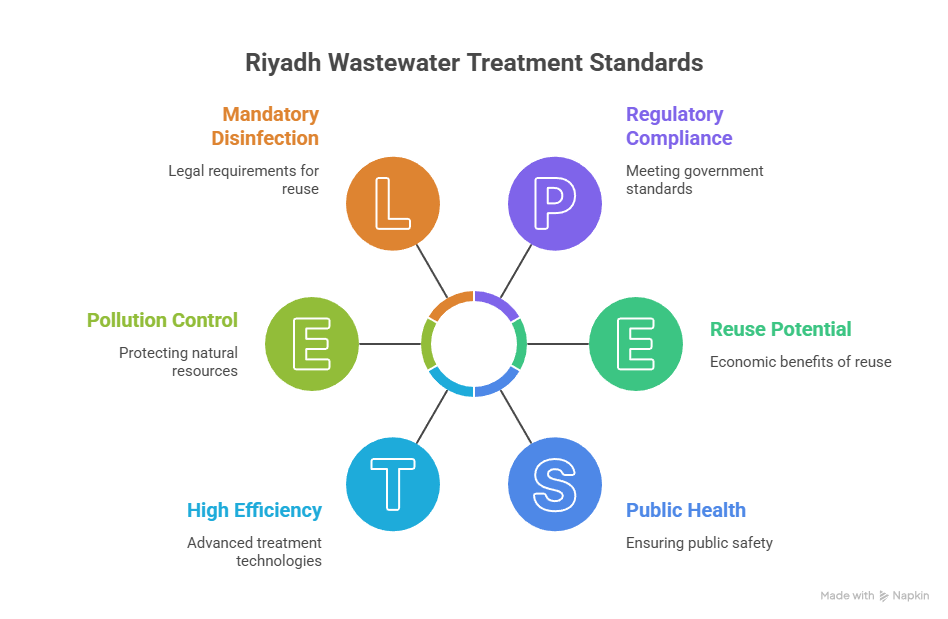
Wastewater treatment plants in Riyadh must meet strict performance and design requirements to ensure environmental safety and public health. Typical performance targets include:
Biochemical Oxygen Demand (BOD): Reduced to low levels suitable for reuse or safe discharge
Chemical Oxygen Demand (COD): High removal efficiency even under fluctuating loads
Total Suspended Solids (TSS): Effective solids separation and tertiary polishing
Pathogen Removal: Mandatory disinfection for reuse applications
Nutrient Control: Nitrogen and ammonia removal where required for reuse or groundwater protection
Treatment plants must also be designed for hydraulic peak flows, sludge management, odor control, and long-term durability in harsh climatic conditions.
Ideal Wastewater Treatment Process for Riyadh Conditions
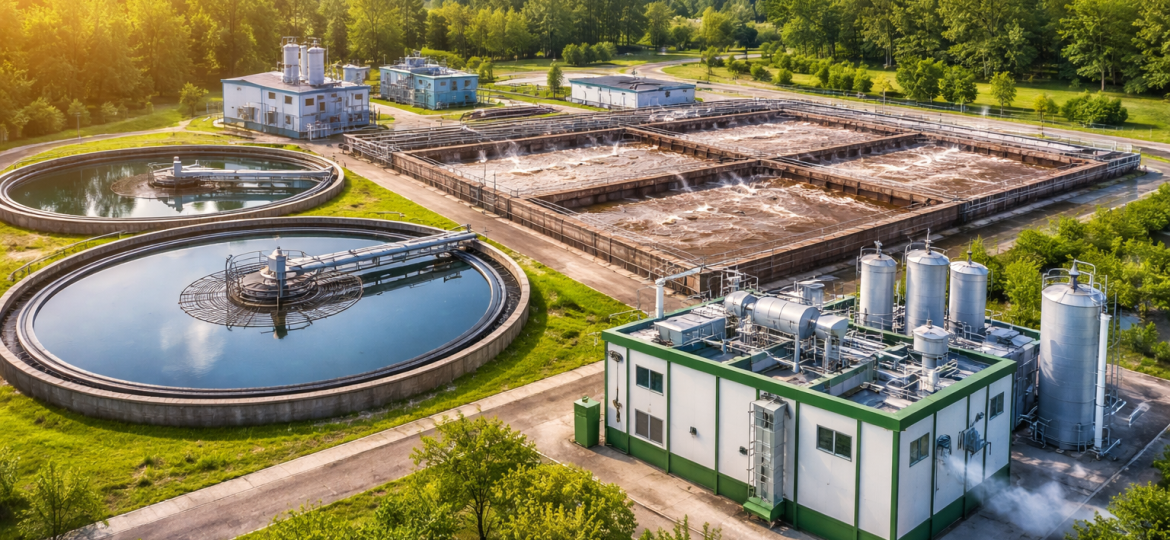
An effective wastewater treatment plant for Riyadh must combine robust biological treatment with advanced polishing and automation. A typical high-performance treatment train includes:
Preliminary and Primary Treatment
Screening and grit removal to protect downstream biological systems and reduce solids load.Advanced Biological Treatment
A dual-stage biological process incorporating anaerobic, anoxic, and aerobic zones ensures efficient removal of organic matter while supporting nutrient reduction. This is especially important for handling variable influent loads common in urban developments.Secondary Clarification
Efficient solid-liquid separation to remove biological sludge and stabilize effluent quality.Tertiary Treatment
Filtration systems to achieve low turbidity and suspended solids levels required for reuse applications.Disinfection
UV or chlorination systems to eliminate pathogens and ensure safe reuse for landscaping, irrigation, or industrial applications.Sludge Management
Integrated sludge thickening and dewatering to minimize disposal volumes and operational complexity.Automation and Monitoring
Real-time monitoring and automated controls to ensure consistent performance, regulatory compliance, and reduced manpower requirements.
Why Packaged Wastewater Treatment Plants Are Ideal for Riyadh
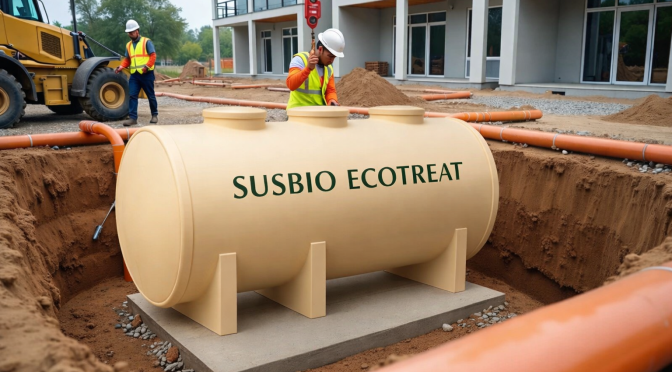
Packaged wastewater treatment plants have become the preferred choice in Riyadh due to their flexibility and speed of deployment. Their key advantages include:
Compact footprint suitable for space-constrained sites
Factory-fabricated quality ensuring consistent performance
Faster installation and commissioning
Modular scalability for phased developments
Lower civil construction requirements
Predictable lifecycle costs
These benefits align perfectly with Riyadh’s fast-paced construction environment and sustainability goals.
SUSBIO ECOTREAT: Engineered for Riyadh’s Challenges
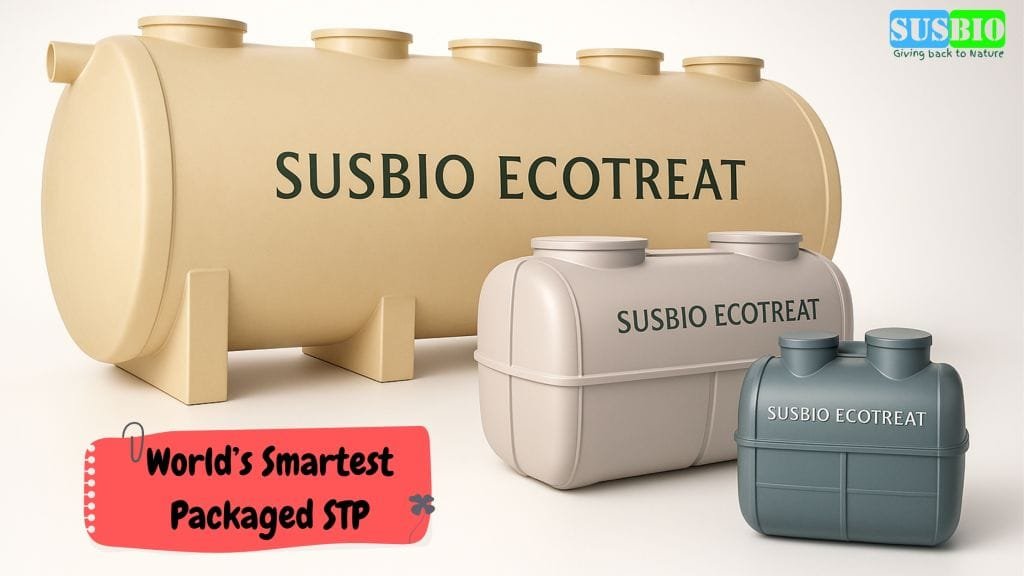
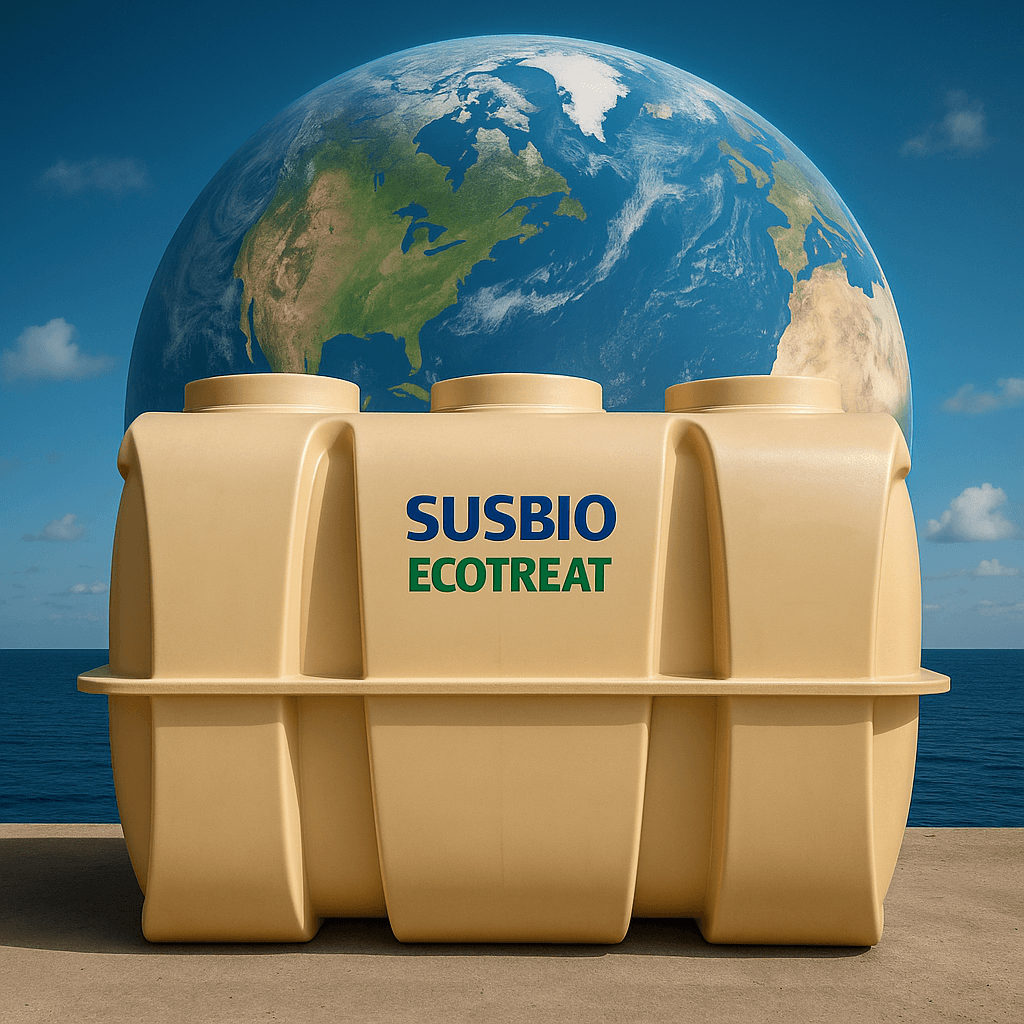
SUSBIO ECOTREAT is an advanced packaged wastewater treatment plant designed to meet the technical, environmental, and operational demands of Saudi Arabia.
Key Technical Advantages of SUSBIO ECOTREAT
Dual Biological Treatment Process
SUSBIO ECOTREAT integrates anaerobic and aerobic treatment stages, ensuring high removal efficiency of BOD and COD while maintaining system stability under variable loads.FRP-Based Prefabricated Construction
The plant is manufactured using high-quality Fiber Reinforced Plastic (FRP), offering superior corrosion resistance, structural strength, and long service life—ideal for underground installation and harsh desert climates.Energy-Efficient Design
Optimized aeration systems, low-head pumps, and intelligent controls significantly reduce power consumption, resulting in lower operating costs over the plant’s lifecycle.Plug-and-Play Installation
SUSBIO ECOTREAT is delivered as a ready-to-install system, minimizing on-site civil work and enabling rapid commissioning—critical for time-sensitive projects.Advanced Automation and Remote Monitoring
Integrated control systems allow remote monitoring, performance tracking, and fault alerts, reducing the need for continuous on-site supervision.
Design Considerations for Deploying SUSBIO ECOTREAT in Riyadh
For optimal performance in Riyadh, wastewater treatment systems should be configured based on site-specific conditions:
Detailed influent wastewater characterization
Proper sizing for peak hydraulic and organic loads
Selection of tertiary treatment based on reuse requirements
Integration of nutrient removal zones where required
Protection against high ambient temperatures and sand ingress
Energy optimization using variable frequency drives and automation
SUSBIO ECOTREAT’s modular design allows customization to meet these requirements efficiently.
Operational and Maintenance Benefits
From an operator’s perspective, SUSBIO ECOTREAT offers long-term advantages:
Minimal manpower requirement due to automation
Reduced energy bills and predictable OPEX
High durability with low corrosion-related maintenance
Easy scalability and module replacement
Consistent effluent quality with minimal process intervention
These factors make it an ideal solution for both private developers and municipal authorities in Riyadh.
Applications of SUSBIO ECOTREAT in Riyadh
SUSBIO ECOTREAT is well-suited for a wide range of applications, including:
Residential communities and gated compounds
Commercial complexes and office parks
Hotels and hospitality projects
Industrial estates and business zones
Institutional facilities and mixed-use developments
Its flexibility and performance make it suitable for both decentralized and centralized wastewater treatment needs.
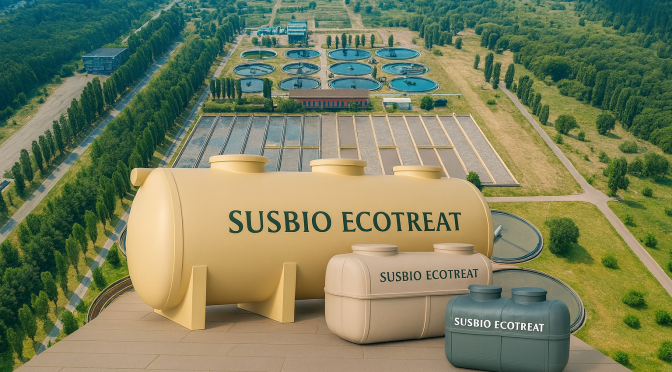
Conclusion: Why SUSBIO ECOTREAT Leads the Wastewater Treatment Market in Riyadh
As Riyadh continues its transformation into a global urban and economic hub, the demand for reliable, efficient, and sustainable wastewater treatment solutions will only increase. Choosing the right wastewater treatment plant is essential for regulatory compliance, environmental protection, and long-term cost efficiency.
SUSBIO ECOTREAT stands out as the best wastewater treatment plant for Riyadh because it combines:
Advanced dual-stage biological treatment
Compact, prefabricated FRP construction
Low energy consumption and operating costs
Fast installation and scalability
Proven reliability in challenging environments
For developers, industries, and authorities seeking a future-ready wastewater treatment solution in Saudi Arabia, SUSBIO ECOTREAT delivers unmatched technical performance and long-term value.
Frequently Asked Questions (FAQs)
1. What is the best wastewater treatment plant in Riyadh, Saudi Arabia?
The best wastewater treatment plant in Riyadh is one that delivers high-quality treated water, complies with Saudi regulations, operates efficiently in hot climatic conditions, and supports water reuse. SUSBIO ECOTREAT stands out due to its advanced dual biological treatment process, compact design, low energy consumption, and reliable performance for residential, commercial, and industrial projects.
2. Why is wastewater treatment important in Riyadh?
Wastewater treatment is crucial in Riyadh due to limited freshwater resources and rapid urban growth. Treating and reusing wastewater helps conserve water, protect the environment, reduce groundwater contamination, and support sustainable development under Saudi Arabia’s long-term water management goals.
3. How does SUSBIO ECOTREAT work as a wastewater treatment plant?
SUSBIO ECOTREAT uses a dual-stage biological treatment process that combines anaerobic and aerobic treatment to effectively remove organic pollutants such as BOD and COD. The system also includes solid-liquid separation, tertiary filtration, and disinfection to produce treated water suitable for reuse or safe discharge.
4. Is SUSBIO ECOTREAT suitable for Riyadh’s climate and site conditions?
Yes, SUSBIO ECOTREAT is specifically designed to perform reliably in harsh environments like Riyadh. Its FRP-based prefabricated structure is corrosion-resistant and durable, while its energy-efficient design and automation ensure stable operation even under high temperatures and variable wastewater loads.
5. Can treated wastewater from SUSBIO ECOTREAT be reused in Saudi Arabia?
Yes, treated wastewater from SUSBIO ECOTREAT can be reused for applications such as landscape irrigation, gardening, flushing, and certain industrial processes, subject to project-specific treatment configuration and regulatory requirements. The system can be designed to achieve tertiary-quality effluent suitable for reuse.