

Wastewater treatment solutions can make the difference between regulatory compliance and costly disasters. Problems like STP odor, sludge overflow, and high BOD/TSS levels affect compliance and substantially increase operational costs. These challenges have become more critical due to rapid urbanization and stricter environmental regulations by 2026.
Poorly managed wastewater quickly becomes an expensive and unsanitary mess. Aging infrastructure guides to water leaks, reduced quality, and service disruptions that can devastate your bottom line. Modern facilities just need usage fluctuations that older systems simply can’t handle. But there’s good news – our 25 years of industry expertise helping industries and commercial units achieve zero-discharge compliance has helped us identify seven hidden solutions that deliver results consistently.
This piece reveals industrial wastewater treatment solutions that remain largely unknown despite their effectiveness. These modern solutions don’t just fix immediate problems – they prevent future issues through innovative approaches. The environmentally responsible wastewater treatment solutions can save facilities thousands of dollars annually while protecting our threatened water resources. Let’s explore these game-changing options that industry experts rarely discuss.
Key Takeaways
These seven hidden wastewater treatment solutions can transform your facility’s efficiency while delivering substantial cost savings through proven, underutilized technologies.
• Equalization tanks reduce chemical costs by 30% and improve treatment outcomes by buffering flow variations and preventing shock loads to downstream processes.
• Bio-enzyme dosing eliminates odors at the source rather than masking them, while accelerating biological treatment and reducing harsh chemical dependency.
• Automated sludge dewatering cuts disposal costs significantly through higher dry solids content and precision polymer dosing with minimal operator intervention.
• Real-time IoT monitoring prevents costly failures by detecting anomalies immediately and enabling predictive maintenance strategies that extend equipment life.
• Advanced coagulants achieve up to 98% TSS removal efficiency while requiring lower dosages than traditional options, reducing chemical consumption costs.
• Compact MBBR systems deliver superior treatment in 70% less space than conventional methods, making them ideal for space-constrained facilities.
The transition from reactive to proactive maintenance through these solutions typically reduces operational costs by 40% while ensuring regulatory compliance and extending equipment lifespan. Facilities implementing these technologies gain competitive advantages through improved efficiency, reduced environmental impact, and enhanced sustainability for future regulatory demands.
Equalization Tanks for Load Balancing
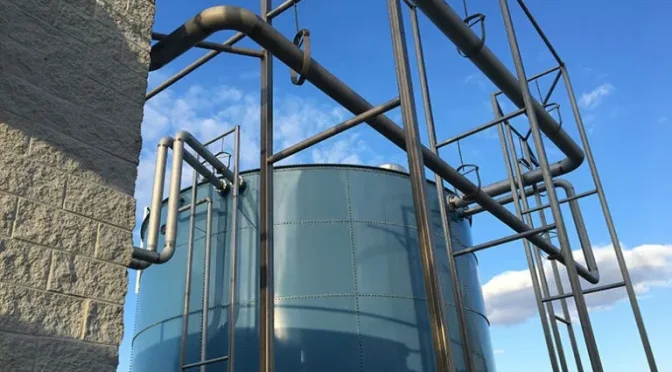
Equalization tanks are among the most underappreciated yet budget-friendly components in modern wastewater treatment systems. These unsung heroes quietly tackle multiple treatment challenges through a surprisingly simple concept.
What Equalization Tanks Are
Equalization tanks serve as specialized buffer systems in wastewater treatment facilities. They collect and store incoming wastewater temporarily before it moves to downstream treatment processes. You can think of them as shock absorbers that smooth out variations in flow rate, pH levels, temperature, and pollutant concentration.
The simple structure has two main components:
- A holding tank (typically constructed of reinforced concrete or composite materials)
- An anti-sedimentation system (either pneumatic or mechanical mixing)
You’ll find equalization tanks between preliminary treatment (after screening and grit removal) and before primary clarification or biological treatment processes. This placement lets them catch raw influent variability before it reaches more sensitive downstream processes.
The system offers two main configuration strategies: in-line systems where all wastewater flows through the equalization tank, and off-line (side-line) systems where only excess flow above a set threshold gets diverted. Gravity-flow plants often choose the side-line approach because it needs smaller pumping capacity.
Why Equalization Tanks Work
Equalization tanks excel because they tackle several critical challenges at once. They regulate both hydraulic flow and pollutant load variations. This regulation stops “shock loads” – sudden spikes in flow or concentration – from disrupting sensitive biological and chemical treatment processes.
These tanks bring numerous operational benefits:
They cut chemical costs, especially those linked to pH fluctuations and coagulants needed for solids removal. The tanks also allow for smaller downstream treatment components since they no longer need to handle peak flows.
Treatment outcomes improve measurably with equalization tanks. Studies show BOD₅ removal improvements up to 30% and Total Suspended Solids (TSS) removal gains of 10–30% in conventional systems. Biological treatment processes work best under stable conditions rather than fluctuating ones.
These tanks have become crucial in biological nutrient removal (BNR) processes. Nitrification, denitrification, and enhanced biological phosphorus removal processes need consistent flow and loading conditions, which equalization tanks provide.
The tanks offer a budget-friendly upgrade option for existing facilities facing capacity limits or stricter effluent requirements. Many facilities achieve compliance by adding equalization capacity instead of expanding entire treatment systems.
How to Implement Equalization Tanks
The right size matters most when implementing these tanks. Plants in the 1-5 mgd range typically need tanks that hold 15% of the average daily volume flow. More precise calculations use the mass curve (ripple diagram) method, which analyzes cumulative influent volume against time.
Residential or small commercial applications work well with tanks sized for 4-8 hours of retention time. Facilities with variable flows or industrial inputs might need larger capacities.
Your equalization tank needs proper mixing or aeration systems to:
- Prevent settling of suspended solids
- Maintain homogeneous conditions
- Avoid anaerobic conditions that cause odors
Aeration design should provide about 2 cfm of air per 1000 gallons of storage (0.015 m³/min/m³) to prevent septicity. Tanks with high suspended solids (>500 mg/l) work better with mechanical mixing than pneumatic mixing.
Live monitoring enhances tank performance through automation. Smart setups use ultrasonic or pressure sensors to track fill levels, flow meters at inlets and outlets, and pH/ORP probes for continuous monitoring.
Equalization tanks prove to be a powerful solution that improves every aspect of wastewater treatment while cutting operational costs.
Bio-Enzyme Dosing for Odor Control
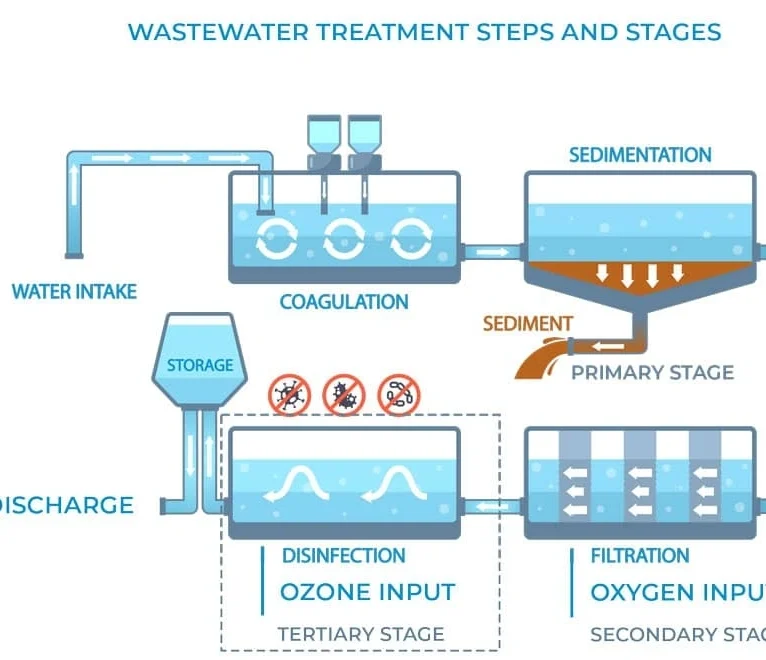
Bio-enzyme dosing stands out as one of the best ways to treat wastewater, yet many facilities don’t use it enough. This natural solution tackles odor problems right at their microbial source rather than just covering them up with fragrances. The industry has started to notice how it eliminates bad smells and makes the whole system work better.
What Bio-Enzyme Dosing Is
Bio-enzyme dosing adds specialized protein molecules that kickstart chemical reactions in wastewater treatment systems. These enzymes speed up reaction rates by at least 1000-fold and target specific substrates. They team up with helpful microorganisms—bacteria and fungi—that break down contaminants and turn harmful substances into harmless byproducts like water and carbon dioxide.
The formulations contain:
- Multiple enzyme strains picked specifically for wastewater applications
- Facultative and anaerobic bacteria that work in various oxygen conditions
- Nutrient enhancers such as vitamins that help bacteria grow and break down waste faster
These solutions stand out because they combine free enzymes with live beneficial bacteria. This patented stabilization process creates a powerful treatment that quickly breaks down proteins, starches, fats, oils, and other organic matter causing bad odors.
Why Bio-Enzyme Dosing Works
Bio-enzyme treatments work so well because they attack the root cause of odors instead of hiding symptoms. Bacteria release smelly gasses when organic waste breaks down. Bio-enzymes target these organic compounds through three main ways:
They break down complex organic matter into simpler compounds. Next, they change these compounds into less smelly substances. Finally, they spark reactions that neutralize volatile organic compounds, ammonia, and hydrogen sulfide—the main causes of wastewater odors.
Wastewater facilities get several benefits:
- They eliminate odors at the source instead of masking them
- The biological treatment processes work faster
- They don’t need as many harsh chemicals
- The purification process becomes more sustainable
Bio-enzymes excel at breaking down urea in urine, which stops ammonia from forming—that sharp, irritating smell you often find in wastewater systems. They also tackle hydrogen sulfide that forms in oxygen-poor spots like manure pits and clogged drains.
How to Implement Bio-Enzyme Dosing
You’ll need a systematic approach to make bio-enzyme dosing work. Start by finding enzyme products made specifically for wastewater treatment that have proven they can break down organic matter and reduce odor.
Getting the dosage right is crucial. Here’s what experts recommend:
- Drains and pipes: 2–6 ounces per drain location
- Septic tanks: 2–4 quarts at first, then 1 pint weekly per 5 users
- Grease traps: 1 quart to start, followed by 1 pint weekly maintenance
Your treatment system needs a consistent dosing schedule. Regular dosing will give you lasting results, while one-time applications only provide temporary relief.
The core team needs training on handling procedures and safety protocols. Keep track of key indicators—like biochemical oxygen demand (BOD) and chemical oxygen demand (COD)—so you can adjust dosages for the best results.
My experience shows bio-enzyme dosing works great in facilities with troublesome lift stations, public buildings that can’t shake their odor problems, and industrial settings with lots of organic waste. A proper implementation keeps wastewater systems clean, odor-free, and flowing smoothly while supporting sustainable treatment goals.
Automated Sludge Dewatering Systems
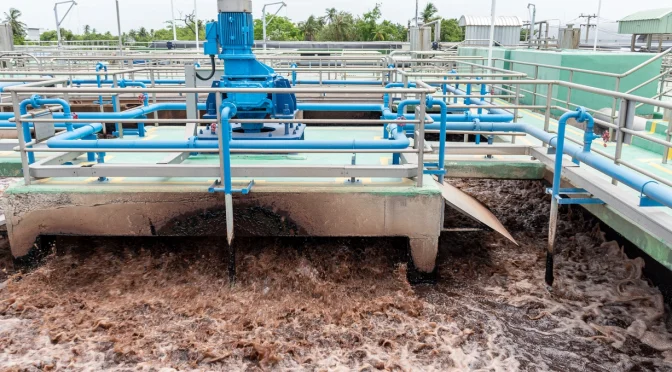
Sludge management costs make up the biggest operational expense in wastewater treatment facilities. State-of-the-art automated sludge dewatering systems have emerged as game-changing solutions that cut disposal costs through advanced technology.
What Automated Sludge Dewatering Is
Automated sludge dewatering uses technology-driven systems to remove water from wastewater sludge with minimal human input. These systems combine hardware and software smoothly to turn liquid sludge into dry cake, which substantially reduces disposal volume.
These systems’ core components include:
- Mechanical dewatering equipment (screw presses, centrifuges, or filter presses)
- Automated control systems that monitor and adjust process parameters
- Polymer dosing systems for optimal flocculation
- Transportation components for processed sludge
Self-regulation defines truly automated systems. Advanced dewatering equipment monitors process parameters like filtration pressure, screw speed, and drive load. The system makes up-to-the-minute adjustments to maintain peak performance. The equipment stays in its ideal operating range without operator intervention, which allows 24/7 operation or automated timer-based functioning.
SludgeVision and similar state-of-the-art systems improve automation through computer vision technology. Strategically mounted cameras and algorithmic analysis optimize polymer dosing by monitoring dewatering performance continuously. Built-in fail-safe modes automatically switch to safe, predefined settings if monitoring systems detect issues, which prevents over or under-dosing.
Why Automated Sludge Dewatering Works
These systems maintain consistent optimal performance whatever the sludge composition variations. They excel in several key areas:
Unattended operation leads to substantial labor reductions. Staff can handle other important tasks instead of monitoring the dewatering process constantly. This move from manual to automated processes delivers consistent performance without quality loss.
Precise polymer dosing provides another advantage. Polymer represents a major operational cost, so optimized dosing directly saves money. Modern systems’ computer vision and feedback capabilities maintain optimal polymer usage even as sludge conditions change.
Worker safety improves because automated systems reduce human exposure to potentially hazardous environments. Software-based safety protocols and automated dangerous tasks protect workers while supporting environmental goals.
These economic benefits make a strong case—automated systems cut disposal costs by:
- Getting higher dry solids content (reducing volume)
- Using fewer chemicals through precision dosing
- Needing less labor through unattended operation
How to Implement Automated Sludge Dewatering
Successful implementation starts with choosing the right technology for specific needs. Each technology offers unique benefits:
Screw presses provide fully automated operation with self-adjusting features that respond to changing sludge properties. These systems run cleanly with minimal odor. Piston press technology gives excellent results through fully automated processes for facilities that need unattended operation and high dry solids content.
System integration becomes vital after technology selection. Modern dewatering systems connect to plant controls through various protocols:
- Modbus TCP (Ethernet)
- Modbus RTU (serial RS485)
- Analog signals (4-20 mA)
Up-to-the-minute monitoring capabilities improve implementation success. Latest systems use sensors, data acquisition systems, and advanced software to track performance metrics. This monitoring allows quick intervention when needed, which minimizes downtime and maximizes efficiency.
Sludge conditioning plays a key role alongside dewatering equipment. Maximum dewatering efficiency requires proper flocculant selection, dosing optimization, and mixing. Economic operation depends on:
- Dewatering degree
- Flocculant requirements
- Energy consumption
- Maintenance needs
Smart implementation of automated sludge dewatering systems makes industrial wastewater treatment more sustainable and cost-effective by reducing disposal volumes, chemical usage, and labor needs.
Real-Time Monitoring with IoT Sensors
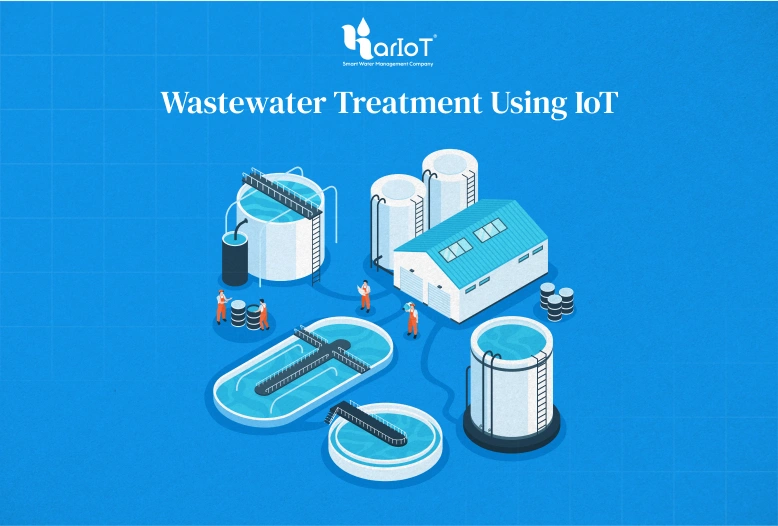
IoT technology has revolutionized traditional wastewater management. Treatment facilities now capture vital operational data non-stop. This gives unprecedented control over complex processes. The technology helps save costs without expensive infrastructure upgrades.
What IoT Monitoring Is
IoT monitoring in wastewater treatment brings together specialized sensors, data transmission networks, and analytics platforms. This creates a complete system that watches over treatment processes round the clock. The heart of this system lies in multi-parameter sensors that track vital water quality indicators. These include pH, dissolved oxygen, electrical conductivity, total dissolved solids, turbidity, and temperature.
The system works through three connected layers:
- A sensing layer with physical sensors spread across the facility
- An edge layer that processes and transmits data
- An application layer that analyzes data and provides user-friendly interfaces
Operators can track multiple variables at once through smartphones and tablets with cloud-connected apps. Modern IoT systems employ various wireless technologies. These include Low-Power Wide Area Networks, Wi-Fi, Zigbee, RFID, cellular networks, and Bluetooth. This setup lets operators manage treatment processes from anywhere, even miles away from the facility.
Why IoT Monitoring Works
IoT monitoring succeeds because it replaces manual sampling with automated surveillance. Traditional lab analysis can’t keep up with the ever-changing nature of industrial wastewater contamination. IoT sensors spot problems right away, which stops small issues from getting pricey.
These systems do more than detect problems – they predict them. Equipment lasts longer and costs less to maintain. To cite an instance, see how monitoring shows when air filter cartridges need replacement based on energy use patterns. This happens before any catastrophic failure occurs.
Automated valve controls and instant alerts aid quick intervention. This ensures environmental compliance and optimizes chemical usage. The system reduces the risk of regulatory fines. In spite of that, the biggest advantage comes from improved efficiency. IoT systems help save energy and resources. Some facilities report major cuts in operating costs.
How to Implement IoT Monitoring
The first step is picking the right sensors for your treatment processes. Think over which measurements matter most. Most facilities need pH, oxygen levels, temperature, and turbidity sensors. Your setup should match your facility’s needs.
Setting up reliable connectivity comes next. While many communication protocols exist, systems usually connect through Modbus TCP (Ethernet), Modbus RTU (serial RS485), or analog signals (4-20 mA). The communication setup must handle harsh treatment facility conditions.
Cloud platforms offer scalable and available data processing and visualization. These systems provide:
- Live dashboards showing current conditions
- Automatic alerts for out-of-range parameters
- Storage of past data for trend analysis
Advanced systems now use machine learning algorithms to analyze data and predict water quality. This turns raw data into practical insights that help operators make smart decisions.
Sensors need strategic placement throughout the treatment process. Focus on spots where parameter changes affect outcomes significantly. Regular calibration and maintenance keep everything accurate and reliable.
IoT monitoring helps industrial wastewater treatment facilities do more than comply with regulations. They optimize operations by cutting chemical usage, saving energy, and lowering costs while treating water more effectively.
Advanced Coagulants for TSS Reduction
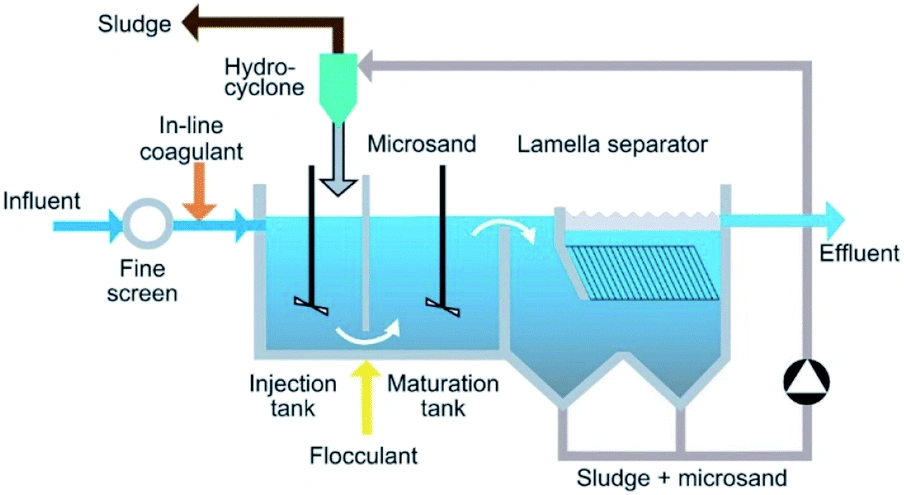
Picking the right coagulant technology can make or break your TSS reduction efforts and significantly affect both treatment efficiency and costs. My work with many facilities struggling with compliance has shown that advanced coagulants are powerful yet underused solutions for wastewater treatment.
What Advanced Coagulants Are
Advanced coagulants are the next step up from traditional water treatment chemicals. They’re built to handle problems that conventional options don’t deal very well with. Traditional coagulants are mostly simple inorganic salts of iron and aluminum, but advanced formulations pack more punch:
Pre-polymerized metal coagulants: These include polyaluminum chloride (PAC), polyferric sulfate, and mixed polymeric formulations. Through controlled hydrolysis processes, these products contain pre-formed hydroxide species that work better in a variety of water conditions.
Natural coagulants: You’ll find these come from plant extracts, agricultural waste, or animal byproducts. Good examples are moringa seeds, chitosan (from crustacean shells), and plant-based proteins. These eco-friendly options contain active ingredients like polysaccharides and proteins that work as effective coagulating agents.
Zirconium-based coagulants: Pre-polymerized zirconium salts have shown better results than aluminum-based options, especially for phosphate removal. They achieve 97.6% phosphate reduction compared to 93% with aluminum alternatives.
Hybrid coagulant systems: These mix different coagulant types—like PAC with polyacrylamide (PAM)—or add advanced materials such as magnetic nanoparticles to boost performance and help recover sludge through magnetic fields.
Why Advanced Coagulants Work
Advanced coagulants work so well because they use sophisticated action mechanisms. While traditional coagulants mainly use charge neutralization, advanced formulations tackle the job through multiple processes at once.
Pre-polymerized coagulants excel because their pre-formed hydroxide species react better with contaminants. Their controlled structure keeps performance steady across different pH levels and water conditions. These advanced formulations can remove over 96% of turbidity.
Natural coagulants get the job done through two main ways:
Charge neutralization: Oppositely charged surface patches help particles clump together by neutralizing their charges.
Polymer bridging: Long-chain polymers stick to colloidal particles with loops and tails that reach out to grab other particles, building bigger flocs.
The numbers tell the story—crab shell bio-coagulants can remove 98.91% of turbidity, and new organic coagulants like PE-2 are great at removing TSS, COD, and BOD from industrial wastewater. POFC-2 coagulant can remove up to 93% of TSS.
How to Implement Advanced Coagulants
You’ll need a systematic approach to implement advanced coagulants. Start with jar testing to find the best coagulant for your specific wastewater. This step helps you pick the advanced formulation that tackles your contaminants best.
Here are some dosage guidelines to think over:
| Coagulant Type | Typical Dosage Range | Optimal pH Range |
|---|---|---|
| Pre-polymerized aluminum | 80-100 mg/L | 6.0-7.5 |
| Pre-polymerized iron | 100-800 mg/L | 5.0-8.0 |
| Natural coagulants | Varies by source | 6.0-9.0 |
Zirconium-based coagulants work best at around 12 mg/L with pH 8, removing about 99% of turbidity. For organic matter, slightly acidic conditions (pH 3-7) work better than alkaline ones.
Keep a close eye on key parameters after implementation. You might want to add automated dosing systems that adjust based on immediate water quality measurements. This approach will keep performance optimal even when influent characteristics change.A phased switch from conventional to advanced coagulants lets you optimize without disrupting operations. Watch your TSS removal efficiency, sludge characteristics, and overall system performance to fine-tune your approach.
Compact MBBR Systems for Space Efficiency
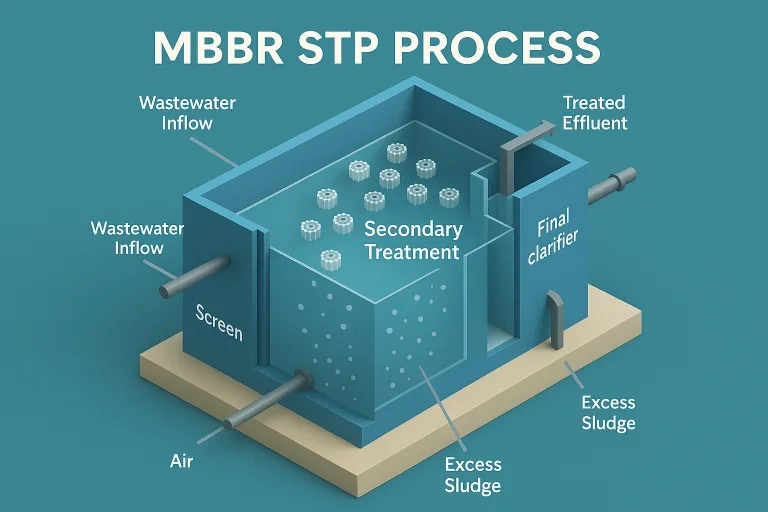
Space creates big challenges for wastewater treatment facilities, especially in urban or industrial settings. Moving Bed Biofilm Reactor (MBBR) systems are revolutionary forces in biological treatment technology. These systems tackle space limitations while delivering great results.
What MBBR Systems Are
MBBR technology works as a mixed and continuously operated biofilm reactor. The biomass grows on small carrier elements that weigh slightly less than water. Water flow keeps these specially designed plastic carriers in constant motion within the reactor.
The carriers give microorganisms a large surface area to form biofilms. These carriers have a specific surface area between 350 and 1200 m²/m³, with a void ratio of 60% to 90%. MBBR is a stand-alone solution that works without sludge recycling, unlike conventional activated sludge systems.
The simple MBBR setup has:
- A reactor tank filled with plastic biocarriers
- An aeration system for aerobic processes or mechanical mixing for anoxic/anaerobic processes
- A retention screen that keeps carriers inside while allowing treated water to exit
Why MBBR Systems Work
MBBR technology’s main benefit comes from its compact design. It takes much less space than conventional treatment methods. Research shows these systems match or exceed traditional treatment results while using up to 70% less space. The carriers maintain higher biomass concentration in the reactor, which leads to this space efficiency.
MBBR technology excels at removing chemical oxygen demand, ammonia-nitrogen, and organic loading. The system needs less hydraulic retention time to reduce optimal organic load, which results in smaller aeration tank volume. Studies show MBBR has better removal rates than conventional activated sludge systems – COD (85%), ammonia nitrogen (75%), and total suspended solids (80%).
MBBR technology costs less to implement. The total construction cost of MBBR wastewater treatment plants (17.1 million dollars) beats both ICEAS (19.6 million dollars) and CMAS (17.7 million dollars) technologies. The system also runs more affordably at 1.5 million dollars per year compared to other technologies.
How to Implement MBBR Systems
The first step in MBBR implementation involves sizing the system based on treatment needs and available space. You need to calculate the carrier volume using BOD loading rates with this formula: BOD loading rate = Q×So (Q represents wastewater flow rate and So shows BOD concentration).
A filling ratio of about 25% by volume works best for effective treatment. The high-surface media and controlled aeration boost treatment efficiency while keeping operations simple.
MBBR systems adapt well to existing infrastructure. Plant operators can upgrade conventional activated sludge plants with minimal changes. The modular design makes installation easy. Plants can add more biocarriers to boost performance or increase capacity as needed.
Preventive Maintenance Scheduling Tools
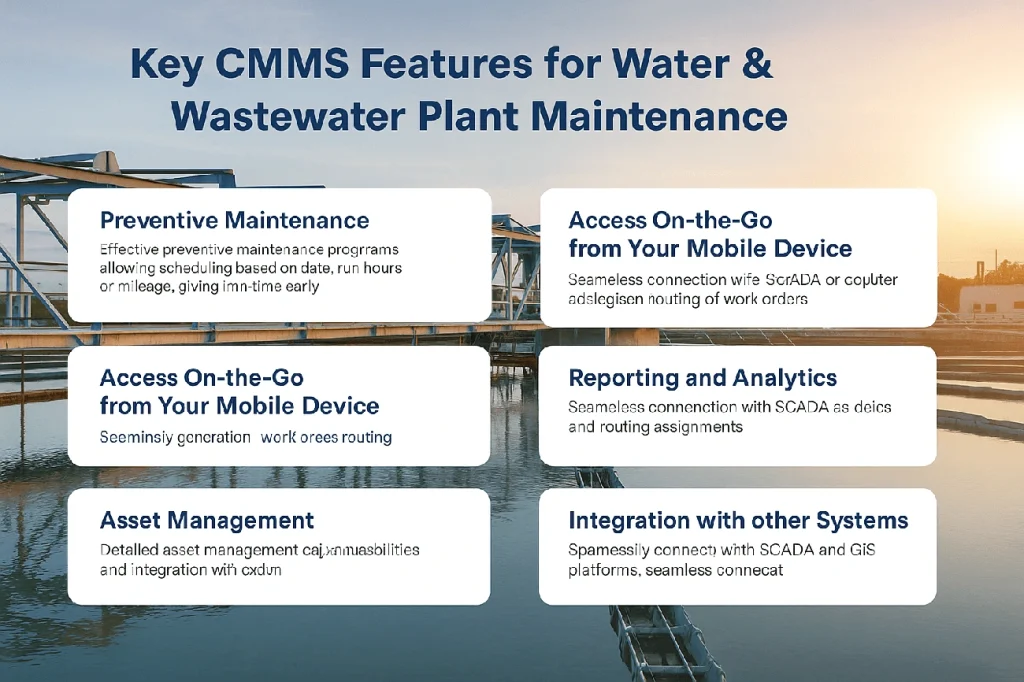
Preventive maintenance is crucial for efficient wastewater operations. Many facilities still use reactive approaches that waste money and reduce treatment capacity. CMMS has changed this through systematic monitoring of critical equipment.
What Preventive Maintenance Tools Are
Modern maintenance scheduling tools are specialized software platforms that digitize maintenance and automate inspections. These systems bring together important information such as:
- Equipment registries with specifications, conditions, and maintenance histories
- Automated scheduling for routine inspections and servicing
- Digital documentation of standard operating procedures
- Up-to-the-minute notifications for upcoming maintenance tasks
These tools help facilities switch from reactive to proactive maintenance strategies. Equipment lasts longer with consistent care.
Why Preventive Maintenance Works
Preventive maintenance shows clear results by catching problems early. Facilities that use structured maintenance programs cut unplanned workloads by up to 42% in their first year. The switch from reactive to proactive maintenance reduces costs by about 40%.
These programs excel at:
- Making equipment last longer through regular inspections
- Cutting down emergency repairs with scheduled maintenance
- Meeting regulatory requirements through documented procedures
How to Implement Preventive Maintenance
Start by creating complete asset inventories and identifying critical equipment. Next, set specific maintenance tasks and schedules based on manufacturer guidelines.
Create clear schedules for daily, weekly, monthly, quarterly, and annual tasks to manage effectively. Track key metrics like mean time between failures and maintenance cost per unit flow to improve your approach.
Frequently Asked Questions
Q1. What are some innovative solutions for reducing wastewater treatment costs? Some innovative solutions include equalization tanks for load balancing, bio-enzyme dosing for odor control, automated sludge dewatering systems, real-time monitoring with IoT sensors, advanced coagulants for TSS reduction, compact MBBR systems for space efficiency, and preventive maintenance scheduling tools.
Q2. How can equalization tanks improve wastewater treatment efficiency? Equalization tanks help regulate both hydraulic flow and pollutant load variations, preventing “shock loads” that can disrupt treatment processes. They can improve BOD₅ removal by up to 30% and TSS removal by 10-30%, while also reducing chemical costs and enabling smaller downstream treatment components.
Q3. What are the benefits of using IoT sensors in wastewater treatment? IoT sensors enable continuous monitoring of critical parameters, allowing for immediate detection of anomalies and predictive maintenance. This can lead to optimized energy consumption, reduced chemical usage, improved environmental compliance, and significant reductions in operational costs.
Q4. How do advanced coagulants differ from traditional options? Advanced coagulants, such as pre-polymerized metal coagulants and natural coagulants, offer superior performance across diverse water conditions. They can achieve higher turbidity removal rates (up to 98.91%) and TSS removal efficiency (up to 93%) compared to conventional coagulants, while often requiring lower dosages.
Q5. What are the advantages of implementing preventive maintenance tools? Preventive maintenance tools help transition facilities from reactive to proactive maintenance strategies. They can reduce unplanned workloads by up to 42% within 12 months, cut maintenance costs by approximately 40%, extend equipment life, and ensure better regulatory compliance through documented procedures.
Conclusion
With over 25 years of experience in wastewater treatment, it’s clear that smart upgrades like equalization tanks, bio-enzyme dosing, automated sludge dewatering, IoT-based monitoring, advanced coagulants, compact MBBR systems, and preventive maintenance can significantly improve treatment efficiency while reducing operational costs. As environmental regulations tighten and infrastructure ages, adopting these cost-effective wastewater treatment solutions helps sewage treatment plants enhance compliance, lower energy and disposal expenses, and ensure long-term sustainability. The real question isn’t whether facilities can afford to implement these solutions—it’s whether they can afford not to.