

Water recycling consumes less energy than sourcing and treating fresh water. The world faces growing water scarcity, and water recycling has become a key solution to conserve and manage water responsibly.
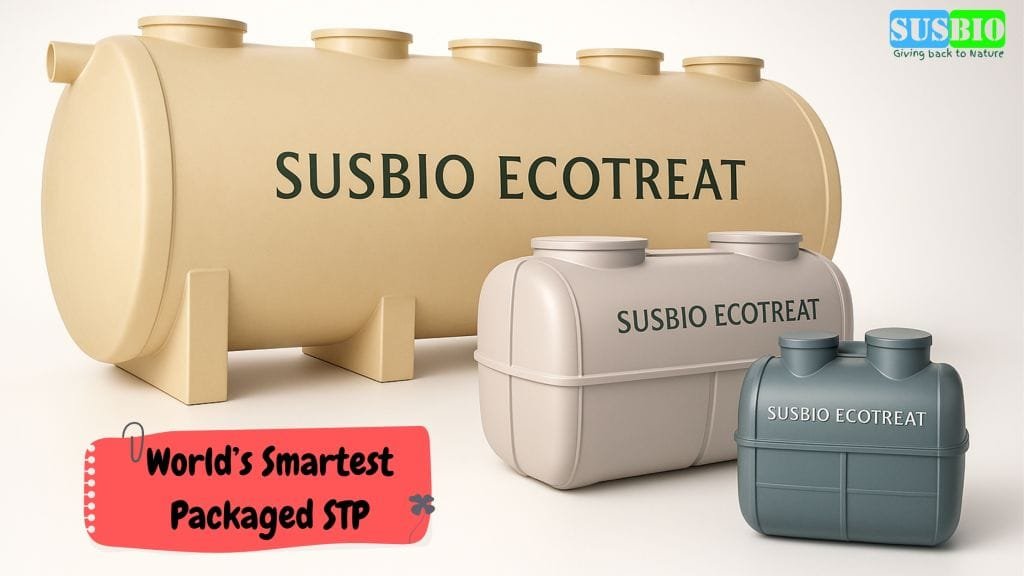
Recycling wastewater helps ease pressure on freshwater resources and ensures drinking water availability. A well-laid-out water recycle system conserves valuable resources and reduces pollution effectively. Recycled water creates and improves wetlands and riparian habitats that support ecological restoration. Climate change brings more frequent droughts, but recycling provides a reliable alternative water source for essential needs during shortages. SUSBIO ECOTREAT leads India’s packaged waste water treatment and recycling solutions with its future-ready approach to environmental challenges.
This piece will show you surprising facts about water recycling that will change your perspective on its importance, processes, and benefits as we approach 2025.
The Real Meaning of Water Recycling in 2026
The global water crisis demands a complete rethink of our relationship with this vital resource. Water recycling has evolved beyond an environmental choice in 2026. It has become an economic and survival necessity.
Difference Between Reuse and Recycling of Water
The difference between water reuse and recycling plays a significant role in creating effective water management strategies. Industrial water recycling uses closed-loop systems where process water gets treated and returns to the same application. A good example shows cooling tower blowdown getting treated and returned to the cooling system. Water reuse takes a broader approach that includes any process to capture, treat, and repurpose water that would otherwise become wastewater.
Water recycling means continuous use within a closed-loop system that treats every drop as a renewable resource. Advanced monitoring systems and automated controls ensure consistent water quality throughout the process. These systems have become vital components in municipal drought resilience plans.
SUSBIO ECOTREAT leads this movement in India by providing the most advanced packaged wastewater treatment and recycling solution. Their innovative closed-loop systems deliver maximum efficiency.
Why 2026 Is a Turning Point for Water Recycling Systems
Several factors make 2026 a defining year for water recycling. The lack of water has become a pressing global issue. Regions worldwide face prolonged droughts and diminishing freshwater supplies. Climate change has pushed water recycling from a “nice-to-have” option to become essential for responsible water management.
Better public awareness and acceptance combined with this economic advantage create ideal conditions for water recycling systems to spread widely in 2025.
Hidden Stages in the Water Recycling Process
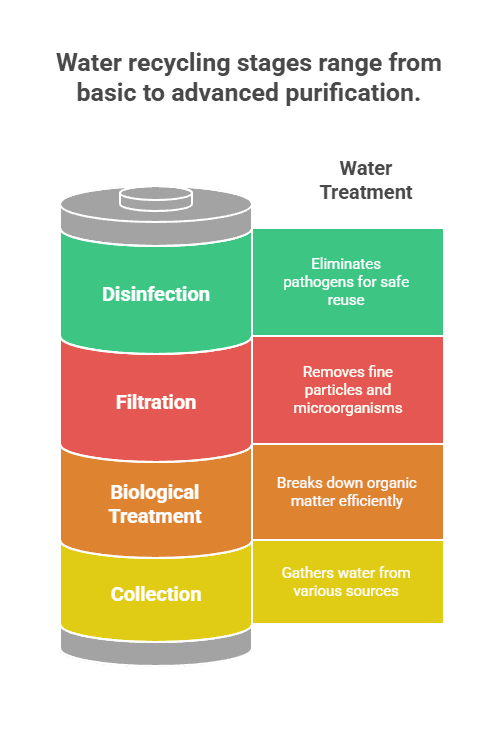
Modern water recycling transforms wastewater into a valuable resource through sophisticated multi-stage processes. These processes work together seamlessly to ensure both safety and efficiency.
Pre-treatment: Sediment and Debris Removal
Water recycling starts with preliminary treatment. Screens remove large debris like plastic, paper, and food scraps that might damage equipment or block pipes. The wastewater then flows into grit chambers where heavier particles such as sand, gravel, and small stones settle at the bottom. This original stage removes about 50-60% of suspended solids and prepares water for more intensive treatment.
Biological Treatment Using Activated Sludge
Microorganisms break down organic matter during biological treatment. The uses bacteria and protozoa that form biological flocs to oxidize organic pollutants. Aeration tanks pump air to help bacteria grow. These tiny organisms consume organic matter and nutrients to remove biodegradable contaminants. Research shows this method achieves removal rates of 94-95% for chemical oxygen demand and 85-87% for total organic carbon.
RO, UF, and NF Explained
Innovative filtration technologies are the foundations of modern water recycling systems:
- Microfiltration (MF) catches particles sized 0.1-10 micrometers, including bacteria and suspended solids
- Ultrafiltration (UF) stops smaller contaminants (0.001-0.1 micrometers) including viruses and high molecular weight substances
- Nanofiltration (NF) eliminates divalent ions and organic matter (0.001-0.01 micrometers)
- Reverse Osmosis (RO) delivers the highest level of purification by removing dissolved solids
Disinfection with UV and Ozone
Disinfection provides a significant safety barrier. UV irradiation damages microorganisms’ genetic material and prevents replication without chemicals. Ozone works 1.5 times better than chlorine to eliminate viruses and bacteria like E. coli and Listeria. These technologies quickly disinfect all major pathogens without using chemicals.
Nutrient Recovery and Final Polishing
Nutrient recovery marks an essential final stage. This process extracts valuable nutrients like phosphorus and nitrogen and turns them into eco-friendly fertilizers. This green approach prevents nutrient pollution and reduces synthetic fertilizer dependency. Each year, about 4.3 million tons of phosphorus are lost worldwide without proper recovery systems.
SUSBIO ECOTREAT’s Anaerobic + MBBR process handles the biological treatment stages of this process — pre-treatment through disinfection — engineered specifically for domestic and commercial wastewater. For applications requiring advanced membrane filtration (RO/UF/NF) or Zero Liquid Discharge, see our SUSBIO ETP / IONTREAT page, our system built for industrial-grade treatment requirements.
5 Hidden Benefits of Water Recycling You Didn't Know
Water recycling comes with unexpected advantages that go beyond simple conservation. These hidden benefits make recycled water a crucial resource that will shape our sustainable future.
Energy Savings from On-site Water Reuse
Local water treatment and recycling uses nowhere near the energy that centralized water treatment plants need, which leads to lower energy costs and a smaller carbon footprint. The energy needs rise high as we extract and transport water across greater distances. Water pumping requires extra energy when groundwater levels fall due to excessive use. The immediate efficiency gains come from recycling water locally or nearby since it needs less energy to move water across shorter distances.
Reduced Chemical Dependency in Modern Systems
Advanced treatments help modern water recycling systems use fewer chemicals. The INDION TADOX process stands out by using new methods that cut down chemical use while stopping secondary pollution. Recycled water brings another big advantage – it contains valuable nutrients like nitrogen, phosphorus, and potassium that remain after treatment. This means less need for chemical fertilizers.
Boosting Agricultural Yields with Nutrient-rich Recycled Water
Farmers who irrigate with recycled water get a bonus – nutrient-rich water that helps crops grow better. Plants can easily absorb the nitrogen, phosphorus, and potassium present in this water. Farmers have reported better yields and lower fertilizer costs thanks to this natural fertilization. Right now, California and Florida use 587.76 million gallons of recycled water daily to irrigate their farms.
Lower Infrastructure Costs in Urban Planning
Urban areas save money with water recycling systems. The “near-to-consumer” solutions for drinking water and waste management cost just €70 per person compared to traditional infrastructure costs of €1,500-7,500 per person. This saves an amazing 99% in investment capital. Communities benefit as on-site reuse eases the pressure on existing systems, especially when older infrastructure reaches its limits.
Improved Groundwater Recharge and Aquifer Health
Recycled water helps recharge aquifers and creates several environmental benefits. Coastal aquifers stay protected from saltwater intrusion through hydraulic pressure. The cost advantage is clear – recharging aquifers with treated wastewater costs about AED 1.2–1.8 per cubic meter, while desalinated water costs AED 6–8 per cubic meter. SUSBIO ECOTREAT, India’s most advanced packaged wastewater treatment system, supports these benefits with its zero liquid discharge capability and smart monitoring.
SUSBIO ECOTREAT: India’s Most Advanced Wastewater Recycling System
SUSBIO ECOTREAT leads India’s innovation in wastewater management technology with solutions that tackle the growing lack of water. The country’s most advanced packaged wastewater treatment and recycling system shows a future-ready approach to sustainable water management.
Modular Design for Urban and Industrial Use
The system uses flexible components that work in a variety of settings—from high-density urban areas to specialized industrial facilities. Quick installation and expansion become possible as needs change. This makes it perfect for both 10-year old infrastructure and developing regions.
Built for High Water Reuse
SUSBIO ECOTREAT’s Anaerobic + MBBR treatment produces effluent suitable for non-potable reuse — landscaping, toilet flushing, cooling makeup — significantly reducing freshwater dependency. For industrial applications specifically requiring Zero Liquid Discharge, SUSBIO ETP / IONTREAT offers ZLD-capable configurations engineered around the contaminant profile of that facility.
70% Lower Energy Consumption Compared to Conventional Systems
The Anaerobic + MBBR process consumes up to 70% less electricity than conventional STPs, since anaerobic pre-treatment reduces the load reaching the more energy-intensive aerobic stage. Lower operational costs and reduced carbon footprints result directly from this design.
Smart Monitoring and IoT Integration
The system collects immediate data to optimize performance continuously. Sensors track water quality parameters during treatment. This allows teams to maintain equipment proactively and deliver consistent output quality.
Compliance with CPCB and MoEFCC Guidelines
SUSBIO ECOTREAT meets all Central Pollution Control Board and Ministry of Environment standards. The system delivers exceptional water recycling performance while staying compliant with regulations.
Conclusion
Water recycling is pioneering sustainable resource management as we look toward 2025. What started as an environmental choice has now become an economic and survival necessity. Communities worldwide need to learn about its hidden processes and benefits to tackle growing water shortages.
Water reuse and recycling have clear differences. Recycling uses more sophisticated closed-loop systems that treat water as a renewable resource. On top of that, new breakthroughs have made these systems both eco-friendly and cost-effective compared to traditional water sourcing.
Recycled water goes through an impressive multi-stage process. The treatment starts with removing debris and moves to advanced filtration using RO, UF, and NF technologies. These processes work together to ensure safety and improve efficiency while reducing environmental effects.
Water recycling offers benefits that go way beyond simple conservation. On-site reuse saves energy, reduces chemical dependence, and improves crop yields. Lower infrastructure costs and healthier aquifers contribute to a sustainable future. These systems give communities both environmental and economic advantages.
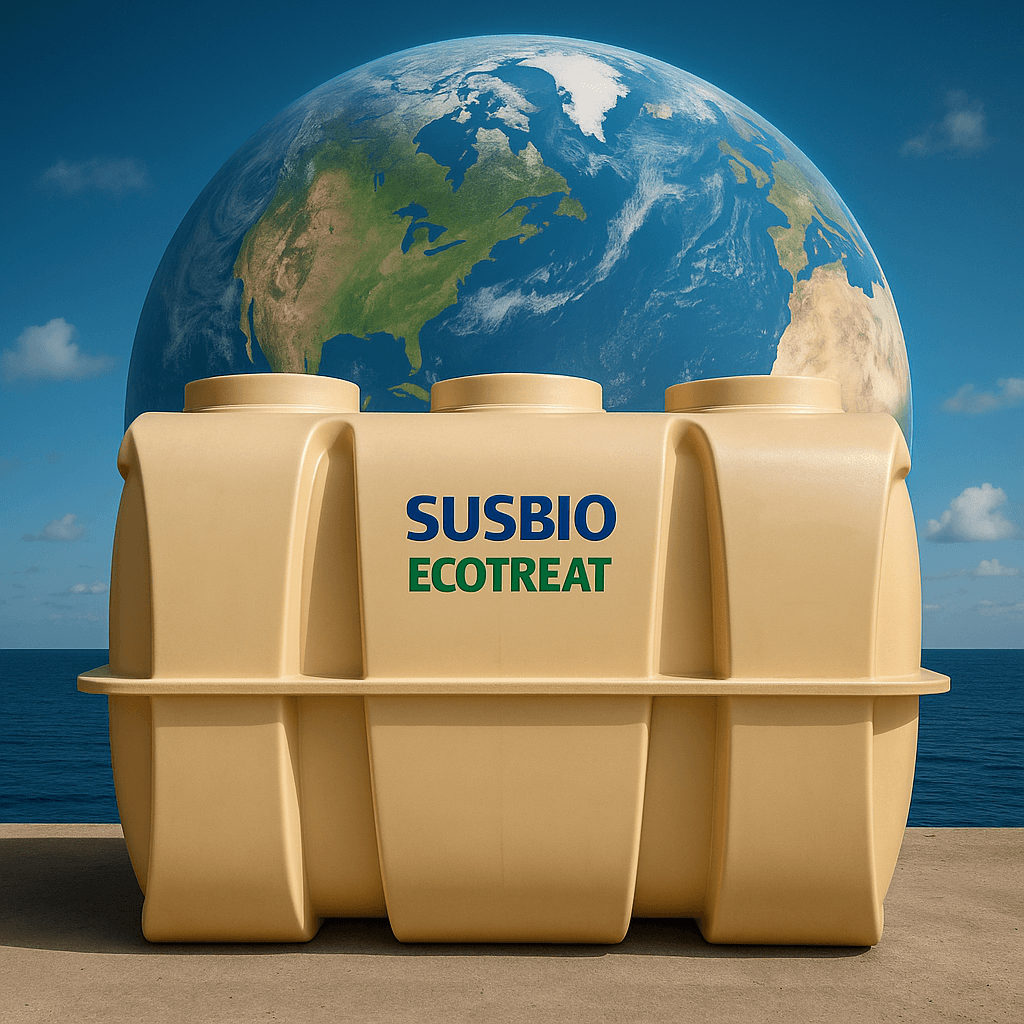
SUSBIO ECOTREAT shows us the future of water management. India’s most advanced packaged wastewater treatment and recycling solution stands out with its modular design and zero liquid discharge capability. Smart monitoring systems and 30% lower energy use than conventional systems make it ready for tomorrow’s challenges. Such breakthroughs help reshape our relationship with water while solving pressing global issues.
Water recycling has evolved from a niche environmental practice into a vital part of responsible resource management. These systems provide environmental benefits along with economic and social resilience. This matters more than ever as we face growing climate uncertainty and water scarcity challenges that will shape our future.
Key Takeaways
Water recycling in 2026 represents a critical shift from environmental choice to economic necessity, offering hidden benefits that extend far beyond simple conservation.
- SUSBIO ECOTREAT’s Anaerobic + MBBR process uses up to 70% less electricity than conventional systems while providing stable water supply during droughts and climate uncertainty.
- Advanced multi-stage processes including biological treatment, UV disinfection, and reverse osmosis transform wastewater into high-quality reusable water.
- Recycled water reduces infrastructure costs by 99% compared to traditional systems while boosting agricultural yields through nutrient-rich irrigation.
- Modern systems like SUSBIO ECOTREAT achieve zero liquid discharge with smart IoT monitoring, making water recycling economically viable.
- California’s 2025 direct potable reuse regulations mark a turning point, making recycled water cheaper than imported or desalinated alternatives.
The convergence of water scarcity, technological advancement, and regulatory support makes 2026 the pivotal year when water recycling transitions from innovative solution to essential infrastructure for sustainable communities worldwide.
FAQs
Q1. How does water recycling in 2026 differ from traditional water treatment?
Water recycling in 2026 involves advanced closed-loop systems that treat water as a renewable resource, using technologies like biological treatment and UV disinfection to transform wastewater into high-quality reusable water. Industrial applications requiring higher purification levels may add reverse osmosis or other membrane filtration, consuming significantly less energy than sourcing and treating fresh water conventionally.
Q2. What are the economic benefits of implementing water recycling systems?
Water recycling systems offer significant economic advantages, including reduced infrastructure costs (up to 99% lower than traditional systems), energy savings from on-site reuse, and decreased chemical dependency. They also boost agricultural yields through nutrient-rich irrigation and provide a stable water supply during droughts.
Q3. How does SUSBIO ECOTREAT contribute to sustainable water management in India?
SUSBIO ECOTREAT is built on Anaerobic + MBBR technology, featuring a modular design, smart IoT monitoring, and up to 70% lower energy consumption than conventional systems — producing high-quality treated water suitable for non-potable reuse across urban and commercial settings.
Q4. What are the environmental impacts of water recycling?
Water recycling has positive environmental impacts, including improved groundwater recharge and aquifer health, reduced pressure on freshwater resources, and minimized pollution. It also helps create or enhance wetlands and riparian habitats, contributing to ecological restoration and biodiversity.
Q5. How is water recycling addressing global water scarcity challenges?
Water recycling is becoming an essential solution for water scarcity worldwide. It provides a stable, alternative water source during shortages, reduces dependency on freshwater resources, and helps communities build resilience against climate change impacts. As regulations evolve, like California’s 2025 direct potable reuse guidelines, recycled water is becoming a viable and sometimes cheaper alternative to imported or desalinated water.