

Understanding the ETP full form—Effluent Treatment Plant—has become critical for restaurant owners who face stricter environmental regulations. About 70-75% of hotel waste is biodegradable but gets mixed with non-biodegradable contaminants at the time of improper disposal. Restaurant wastewater contains elevated levels of fats, oils, grease and high BOD and COD, and treatment becomes necessary. An ETP Plant processes this contaminated water through systematic stages before discharge. We’ve seen over 175 successful ETP Plant installations in the food service industry. This piece will explain what is ETP Plant and how the ETP Plant process works. You’ll also learn the difference between restaurant ETP and restaurant stp systems. Investing in ETP water treatment protects both your business and the environment.
ETP Plant Full Form and Definition
What is ETP Plant
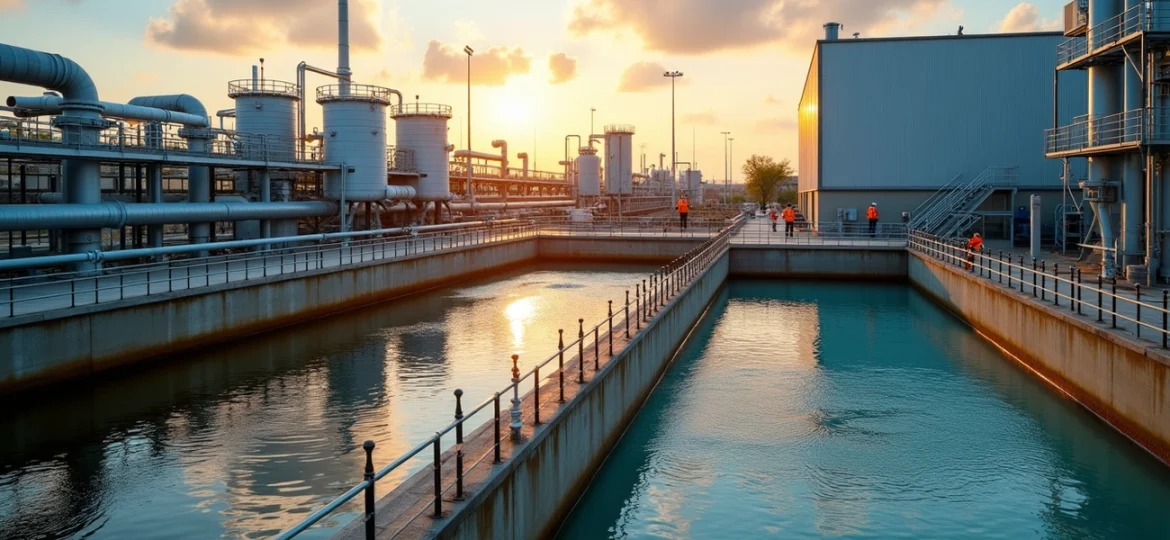
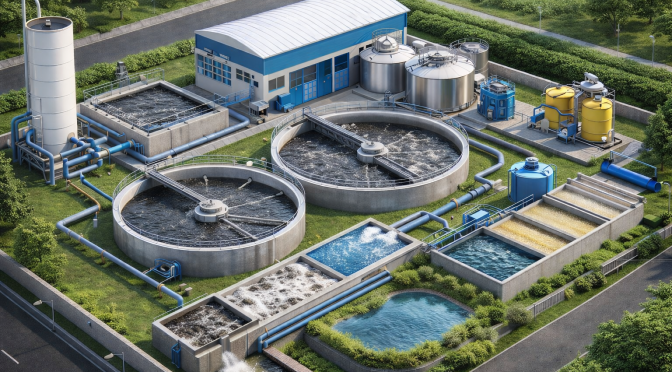
ETP plant full form stands for Effluent Treatment Plant, a specialized system designed to treat industrial wastewater before discharge or reuse. These facilities remove harmful contaminants such as chemicals, oils, heavy metals and organic waste through structured physical, chemical and biological treatment stages. Industries producing chemically contaminated water rely on these systems. Factories, textiles, pharmaceuticals and food and beverage operations depend on them.
The treatment process operates at higher complexity than standard sewage systems. It uses neutralization, chemical treatment, sedimentation and biological processing. Food and beverage factories generate effluents containing degradable organic pollutants that need specific treatment technology. An etp plant transforms toxic industrial wastewater into treated effluent safe for environmental discharge or industrial reuse.
ETP vs STP: Understanding the Difference
The fundamental difference lies in wastewater source. STPs handle domestic sewage comprising organic matter, pathogens and suspended solids from homes, offices and hotels. ETPs process industrial effluents laden with chemicals, heavy metals and complex pollutants.
Treatment complexity is different by a lot. STPs rely on physical and biological processes with moderate complexity and low maintenance requirements. ETPs incorporate advanced chemical treatments among biological and physical processes to neutralize hazardous substances. This results in medium to high maintenance demands.
Application contexts vary. Hotels and apartments use STPs for sewage and gray water. The output suits gardening, flushing and cleaning. Factories and industrial complexes install ETPs to handle toxic waste that may need further treatment before reuse. Note that both systems employ sedimentation and filtration, though ETPs operate at larger scale with greater technical sophistication.
Types of Wastewater in Restaurants
Restaurant operations generate multiple wastewater categories:
- Greywater: Originates from sinks, dishwashers and floor cleaning. It carries grease, soap and cleaning chemicals
- Blackwater: Contains human waste from toilets and urinals with harmful pathogens that need full treatment
- Grease and fat waste: Kitchen activities produce fats, oils and grease during food preparation
- Cleaning chemicals: Disinfectants and detergents from kitchen and bathroom cleaning create chemical residues in wastewater
- Food waste: Organic matter and scraps from dish cleaning contribute to water pollution if untreated
- Industrial wastewater: Larger establishments with laundry facilities or spas generate wastewater containing oils and hazardous maintenance chemicals
Restaurant wastewater characteristics determine the appropriate hotel ETP or restaurant stp system selection to work and meet regulatory compliance.
Why Every Restaurant Needs an ETP Plant
Legal Compliance with Environmental Regulations
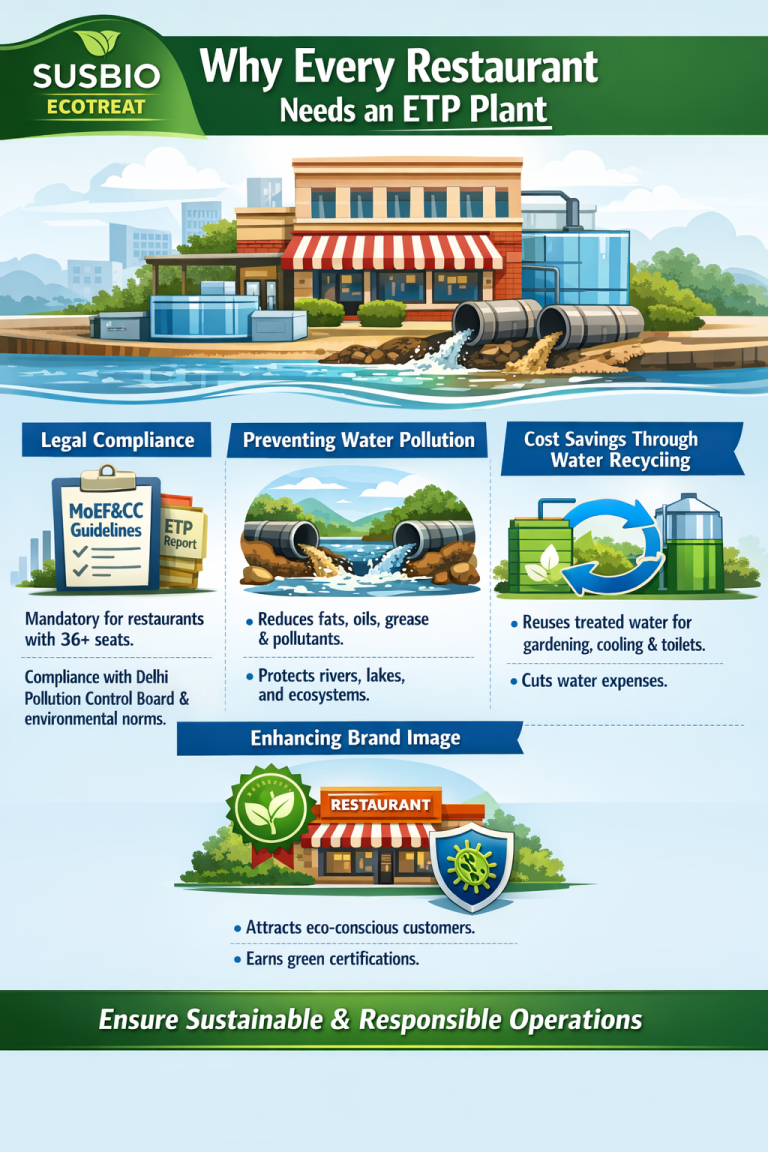
Restaurants with minimum seating capacity of 36 must install an etp plant and meet environmental standards notified by MoEF&CC. The Delhi Pollution Control Board mandates that restaurants submit photographs, dimensions, schematic diagrams of their ETP systems and effluent analysis reports from empanelled laboratories. Units located in sewered areas must discharge into public sewers with proper connection proof from concerned authorities. Regulatory bodies worldwide impose strict wastewater treatment standards. Non-compliance results in hefty fines, legal action and facility shutdowns. Five-star hotels must submit water mass balance charts documenting consumption, waste water generation and treated effluent use.
Preventing Water Pollution from Restaurant Waste Water
Fats, oils and grease from food service facilities cause blockages that result in sewage overflow into storm drains. Water in storm drains receives no treatment before entering waterways and should not contain wash water, trash or grease. Restaurant pollutants including bacteria, organic material, oil and grease harm aquatic life in creeks and surrounding ecosystems. ETPs protect rivers, lakes and coastal ecosystems. They reduce pollution load in water bodies, maintain ecological balance and preserve biodiversity.
Cost Savings Through Water Recycling
Treated wastewater can be reused for non-potable purposes such as gardening, cooling or toilet flushing. This reduces water consumption and costs. Water reuse is often cheaper than constructing new reservoirs or desalinating seawater. Food and beverage manufacturers using water reuse strategies cut costs. They reduce freshwater intake and lower wastewater discharge expenses. Industries conserve water resources when they reduce freshwater intake, which is beneficial in water-scarce regions.
Enhancing Restaurant Brand Image
Consumers have shown preference for businesses committed to reducing environmental impact. Research indicates that 87% of consumers are more likely to support companies standing for sustainability issues, while 73% of millennials will pay more for eco-friendly goods. Restaurant etp systems demonstrate environmental responsibility and attract eco-conscious customers. Sewage treatment systems help restaurants earn green certifications like LEED, recognizing water conservation and sustainability efforts.
Protecting Public Health
ETPs remove toxic and harmful chemicals from wastewater. They prevent contamination of drinking water sources. Wastewater exposure links to viral, bacterial and protozoan diseases including salmonellosis, cholera, hepatitis A and diarrheal diseases. Untreated industrial effluents contain hazardous chemicals and pathogens that pose human health risks. Municipal sewage systems and untreated effluents harbor antibiotic residues and multidrug-resistant bacteria. Proper hotel etp treatment ensures harmful organisms are eliminated and minimizes disease outbreak risks related to water pollution.
How ETP Water Treatment Works in Restaurants
Pre-Treatment: Screening and Grease Removal
Restaurant ETP Plant process begins with removing large contaminants through bar screens that filter debris like plastic, sticks and food waste. Grease traps then capture fats, oils and grease by slowing wastewater flow. This allows FOG to float to the surface while solid particles settle at the bottom. Grease removers can screen out up to 80% of solidified fats when operated correctly. Regular cleaning prevents system blockages and maintains separation efficiency.
Primary Treatment: Sedimentation and Oil Separation
Wastewater enters primary clarifiers where gravity settling occurs. This stage removes 50-70% of suspended solids and 30-40% of biochemical oxygen demand. Heavier particles sink to form sludge at the tank bottom, while mechanical surface-skimming devices remove floating grease and oils. The settled sludge gets pumped out for further processing or disposal.
Secondary Treatment: Biological Processing
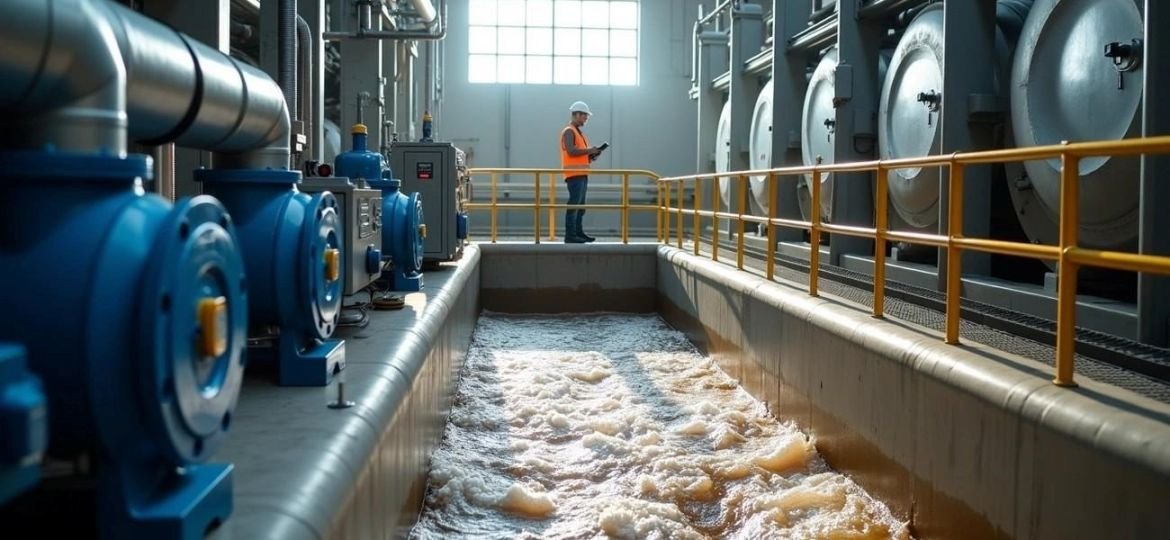
Aerobic bacteria consume dissolved organic matter in aeration tanks during this biological phase. The activated sludge process mixes wastewater with microorganisms that break down pollutants into carbon dioxide, water and biomass. Secondary treatment in restaurant etp systems can reduce BOD and suspended solids by more than 90%.
Tertiary Treatment: Disinfection and Polishing
Final polishing removes residual contaminants through filtration and disinfection. Sand filters or membrane systems eliminate remaining suspended solids, while UV radiation, chlorination or ozonation destroy pathogenic microorganisms. UV treatment proves especially effective because it leaves no chemical residues.
Installing and Maintaining a Restaurant ETP
Space Requirements for Hotel ETP Systems
Small-scale restaurant etp systems treating up to 50 KLD fit within 500-1000 square feet. Medium-scale systems handling 50-200 KLD require 2000-5000 square feet depending on technology. MBR systems occupy smaller footprints but need space to maintain equipment.
ETP Plant Process Monitoring
Automated control systems monitor flow rate, pH, temperature and dissolved oxygen levels throughout the etp plant process continuously. pH and DO in biological reactors, half-hour settled solids and color are monitored daily. MLSS, SVI, TSS, TDS and COD are tested weekly. BOD levels are tracked monthly. Advanced sensors provide live data feedback and allow adjustment of treatment parameters.
Estimated Costs and ROI
Compact hotel etp units treating 20-30 KLD start at INR 14.5 lakh with stainless steel pumps and low power consumption. Lower wastewater charges, reduced fresh water use and avoided fines bring direct savings. Treated water reuse for cooling or cleaning reduces freshwater purchase needs.
Common Maintenance Challenges
Grease traps should be emptied when 25% full to work effectively. Septic systems need inspection annually by professionals, with pumping required every 3-5 years. Poor sludge management causes increased pollutants in treated water. Biological treatment units reduce efficiency when aeration is inadequate.
Conclusion
We’ve explored how restaurant ETP systems protect both your business and the environment. In fact, installing an ETP plant addresses multiple critical needs: regulatory compliance, water pollution prevention, cost savings through recycling, boosted brand reputation, and public health protection. The treatment process handles restaurant wastewater through screening, sedimentation, biological processing, and disinfection stages. The original investment and maintenance require commitment, but the long-term benefits make hotel ETP installation essential for eco-friendly restaurant operations in today’s regulatory world.
Key Takeaways
Understanding ETP (Effluent Treatment Plant) systems is crucial for restaurant owners navigating environmental regulations and sustainable operations. Here are the essential insights every restaurant owner should know:
- Legal compliance is mandatory: Restaurants with 36+ seats must install ETP systems and submit detailed documentation to pollution control boards to avoid fines and shutdowns.
- ETPs prevent costly water pollution: Proper treatment removes 90% of BOD and suspended solids, protecting waterways from harmful restaurant waste containing grease, chemicals, and organic matter.
- Water recycling delivers significant savings: Treated wastewater can be reused for non-potable purposes like gardening and cleaning, reducing freshwater costs and discharge expenses.
- Four-stage treatment ensures effectiveness: Pre-treatment screens debris, primary treatment removes solids, secondary biological processing eliminates organic matter, and tertiary disinfection kills pathogens.
- Investment pays long-term dividends: While compact systems start at INR 14.5 lakh, the ROI comes through reduced water bills, avoided penalties, and enhanced brand reputation among eco-conscious consumers.
Proper ETP installation transforms restaurant wastewater management from a regulatory burden into a competitive advantage, demonstrating environmental responsibility while protecting public health and reducing operational costs.
Frequently Asked Questions
Q1. What does ETP stand for and what is its purpose in restaurants?
ETP stands for Effluent Treatment Plant. It is a specialized system designed to treat industrial wastewater from restaurants before discharge or reuse. The plant removes harmful contaminants such as fats, oils, grease, chemicals, and organic waste through physical, chemical, and biological treatment stages, transforming contaminated water into treated effluent safe for environmental discharge.
Q2. How is an ETP different from an STP in restaurant applications?
The main difference lies in the wastewater source and treatment complexity. STPs (Sewage Treatment Plants) handle domestic sewage from toilets and bathrooms using primarily biological processes, while ETPs process industrial wastewater containing chemicals, heavy metals, and complex pollutants. ETPs require more advanced chemical treatments and have higher maintenance demands compared to STPs.
Q3. What are the main stages of wastewater treatment in a restaurant ETP?
Restaurant ETPs operate through four main stages: Pre-treatment removes large debris and captures grease through screens and grease traps; Primary treatment uses edimentation to remove 50-70% of suspended solids; Secondary treatment employs biological processes with aerobic bacteria to reduce BOD by over 90%; and Tertiary treatment provides final disinfection through UV radiation or chlorination to eliminate pathogens.
Q4. How much space does a restaurant ETP system require?
Space requirements depend on the treatment capacity. Small-scale systems treating up to 50 KLD (kiloliters per day) typically need 500-1000 square feet. Medium-scale systems handling 50-200 KLD require 2000-5000 square feet depending on the technology used. MBR (Membrane Bioreactor) systems generally occupy smaller footprints but need additional space for maintenance equipment.
Q5. What are the cost benefits of installing an ETP in a restaurant?
Installing an ETP provides multiple financial benefits including reduced wastewater discharge charges, lower freshwater consumption costs through water recycling for non-potable uses like gardening and cleaning, and avoided regulatory fines for non-compliance. While compact systems start at approximately INR 14.5 lakh, the long-term return on investment comes from operational savings and enhanced brand reputation among environmentally conscious customers.