

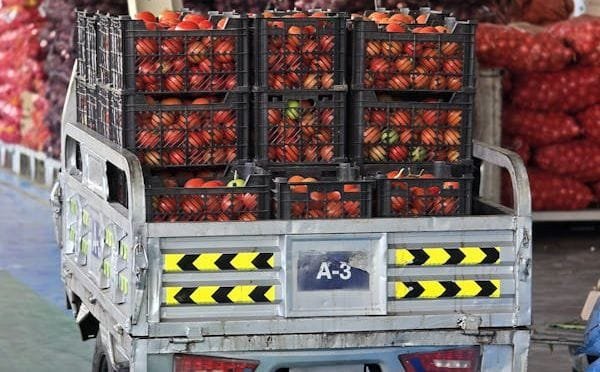
Food processing wastewater has some characteristics that make it genuinely challenging to treat well. The organic load is very high — BOD ranging from 500 mg/L in beverage plants to over 10,000 mg/L in slaughterhouses. The effluent is rich in fats, oils, and grease (FOG) that coat biological treatment media and cause systematic treatment failure if not intercepted at the source. The flow is highly variable — a production run of 16 hours followed by a cleaning-in-place (CIP) cycle dumps a high-pH, high-chemical-load surge into the ETP that can destroy the biological stage if the equalization design is inadequate.
At SUSBIO, we have designed and commissioned ETPs for food and beverage clients across India — from small dairy cooperatives in Maharashtra to large beverage plants in Karnataka. The observations in this guide reflect real project experience with food industry effluent, not textbook BOD/COD tables applied generically.
Why Food Processing ETP Design Is Different from Standard Industrial ETP
The fundamental difference is the combination of very high organic load, significant FOG content, variable pH from CIP cycles, and temperature variability from hot process washdown water. Each of these factors requires specific design provisions that a generic industrial ETP approach will miss:
| Challenge | Why It Matters | Design Response |
|---|---|---|
| Very high BOD/COD | Standard biological reactors sized for 300–500 mg/L BOD will be immediately overloaded by food industry effluent at 2,000–8,000 mg/L BOD | Anaerobic pre-treatment stage before aerobic — essential above 2,000 mg/L influent BOD |
| High FOG (fats, oils, grease) | FOG coats MBBR carriers and ASP flocs, blocking oxygen transfer and destroying biological treatment efficiency within weeks | Dissolved Air Flotation (DAF) or grease trap pre-treatment to remove FOG before the biological stage |
| CIP chemical surges | Cleaning-in-place cycles with caustic soda, acids, and sanitizers create pH 2–12 and high chemical-load surges that kill biological biomass | Oversized equalization (8–12 hours ADF) with pH correction dosing before the biological stage |
| Variable production schedule | Many food plants run 16 hours then clean for 8 hours — the 8-hour zero-flow period starves the biological stage | SBR technology or MBBR with adequate biofilm attachment — both tolerate intermittent loading better than ASP |
| Nutrient imbalance | Food effluent is often deficient in nitrogen relative to its BOD — biological treatment requires BOD:N:P ratio of approximately 100:5:1 | Nutrient dosing (urea or ammonium sulphate for nitrogen; phosphoric acid for phosphorus) if influent analysis shows deficiency |
| High-temperature washdown | Process equipment washdown water at 60–80°C can kill biological treatment biomass | Heat exchanger or cooling tower on hot effluent streams before ETP inlet, or dedicated equalization to cool before biological stage |
Food Industry ETP Influent Data by Sub-Sector
This is the data that determines your ETP design. Generic food industry BOD/COD figures are useless — the range is too wide. Design from your specific sub-sector’s actual effluent characteristics:
| Sub-Sector | BOD (mg/L) | COD (mg/L) | TSS (mg/L) | pH | Key Contaminants | Primary Challenge |
|---|---|---|---|---|---|---|
| Dairy (milk processing, paneer, ghee) | 500 – 3,500 | 1,000 – 8,000 | 200 – 1,000 | 5.5 – 8.5 | Lactose, proteins, fats, cleaning agents | High FOG from ghee/butter production — DAF essential |
| Beverages (soft drinks, juices, beer) | 300 – 2,500 | 600 – 5,000 | 100 – 500 | 3.5 – 8.0 | Sugars, yeast, fruit solids, CO2 | Low pH from acidic beverages; foam control in equalization |
| Meat and poultry processing | 800 – 4,000 | 1,500 – 8,000 | 300 – 2,000 | 6.0 – 8.0 | Blood, fat, proteins, feathers, gut content | Highest FOG; pathogen loading; odour management |
| Seafood and fish processing | 500 – 3,000 | 1,000 – 6,000 | 300 – 1,500 | 6.0 – 8.5 | Fish proteins, oils, blood, brine, ice-melt | FOG; high ammonia from protein degradation; odour |
| Sugar mills | 1,500 – 5,000 | 3,000 – 10,000 | 500 – 2,000 | 5.0 – 8.0 | Molasses, bagasse, lime, sulphur dioxide | Very high BOD; anaerobic pre-treatment mandatory; ZLD often required |
| Packaged foods (snacks, biscuits, noodles) | 300 – 1,500 | 600 – 3,000 | 100 – 500 | 5.5 – 8.5 | Starch, oils, flavourings, cleaning chemicals | High COD-to-BOD ratio from non-biodegradable additives |
| Bakery and confectionery | 200 – 1,000 | 400 – 2,000 | 100 – 400 | 5.5 – 8.0 | Sugars, fats, eggs, cleaning agents | FOG from butter/cream; pH variability from CIP |
| Edible oil refining | 500 – 3,000 | 1,000 – 6,000 | 200 – 800 | 4.0 – 9.0 | Soap stock, hexane traces, phosphatides, bleaching earth | Very high FOG; hexane contamination risk; colour removal |
| Breweries and distilleries | 2,000 – 8,000 | 4,000 – 15,000 | 500 – 3,000 | 3.5 – 7.0 | Spent wash, yeast, grain residues, alcohol | Extremely high BOD; CPCB mandates biomethanation for distilleries |
The most common food industry ETP failure we see is a system sized for generic 300–500 mg/L BOD when the actual influent is 2,000–5,000 mg/L. The biological reactor is overloaded from day one. It produces non-compliant effluent within months as the biomass crashes under the organic load. The fix is expensive — either a complete system replacement or an anaerobic pre-treatment stage retrofitted upstream. The root cause is always the same: the ETP was designed without an actual influent characterisation. Run your effluent at a NABL-accredited lab across multiple production days before finalising any ETP design.
The FSSAI–CPCB Intersection — Why Your ETP Affects Your Food Safety Licence
This is the dimension of food industry ETP compliance that almost nobody covers — and it directly affects FSSAI licence renewal for food processing facilities.
FSSAI (Food Safety and Standards Authority of India) licencing does not directly mandate ETP design specifications. However, FSSAI Schedule 4 — the Good Manufacturing Practice (GMP) requirements for food businesses — requires facilities to demonstrate:
- Effective wastewater disposal that prevents contamination of food contact surfaces
- Drainage systems designed to prevent backflow into food production areas
- Separation of clean and dirty water systems throughout the facility
- Waste management systems that prevent pest harborage and cross-contamination
An FSSAI inspection that finds an overloaded, odour-producing, or non-compliant ETP will typically flag this as a GMP violation — not an environmental violation — because a poorly functioning ETP creates conditions in which food safety is compromised. Sewage overflow near production areas, effluent odour infiltrating storage areas, and pest attraction from organic matter in open drainage are all FSSAI concerns, not just CPCB concerns.
In practice, FSSAI auditors increasingly verify SPCB Consent to Operate for ETP as part of the GMP documentation review. A food processing facility that cannot produce a current CTO for its ETP, or whose ETP is under a show-cause notice from the SPCB, faces FSSAI licence suspension risk — beyond the SPCB penalty exposure. The ETP is not just an environmental compliance item for food companies — it is a food safety credential.
Practical implication: FSSAI state licences are renewed annually. SPCB Consent to Operate is also renewed annually. Many food processing companies do not realise that an SPCB non-compliance notice issued in November can affect their FSSAI renewal in January. Keep both CTO and FSSAI licence renewals on the same compliance calendar — they are linked.
CPCB Discharge Standards for Food Processing Industries
Food processing falls under CPCB’s general industrial discharge standards with some sector-specific provisions. The applicable norms depend on where you discharge — inland surface water, land for irrigation, or municipal sewer:
| Parameter | Inland Surface Water | Land Irrigation | Municipal Sewer | SUSBIO ETP Design Target |
|---|---|---|---|---|
| BOD (mg/L) | ≤ 30 | ≤ 100 | ≤ 350 | < 20 (margin above standard) |
| COD (mg/L) | ≤ 250 | ≤ 250 | ≤ 500 | < 150 |
| TSS (mg/L) | ≤ 100 | ≤ 200 | ≤ 600 | < 50 |
| pH | 6.5 – 8.5 | 5.5 – 9.0 | 5.5 – 9.0 | 7.0 – 8.0 |
| Oil and Grease (mg/L) | ≤ 10 | ≤ 10 | ≤ 20 | < 5 |
| Ammoniacal-N (mg/L) | ≤ 50 | — | — | < 25 |
| Total Nitrogen (mg/L) | ≤ 10 (ZLD zones) | — | — | < 10 in ZLD areas |
State-specific norms are often stricter than CPCB general standards. Maharashtra’s MPCB applies tighter BOD and COD norms in MIDC areas and water-stressed zones. Karnataka’s KSPCB applies BOD ≤ 10 mg/L and COD ≤ 50 mg/L for reuse. Tamil Nadu’s TNPCB has specific colour and TDS norms for food processing units in textile-affected districts. Always confirm the applicable SPCB standard for your facility’s location before finalising ETP design outlet targets.
Distilleries and breweries above a certain production volume face mandatory Zero Liquid Discharge (ZLD) requirements under CPCB and state board orders — no liquid discharge to water bodies or land is permitted. ZLD requires a complete evaporation and crystallization system beyond standard biological treatment. SUSBIO designs ZLD systems for distillery and brewery clients as a separate scope.
The Food Industry ETP Treatment Train — Stage by Stage
A correctly designed food industry ETP is not the same as a generic industrial ETP. It must address FOG, high organic load, pH variability, and pathogen loading through a specifically sequenced treatment train:
Stage 1 — Screening and Grit Removal
Coarse and fine screens remove food solids — fruit pulp, vegetable pieces, meat fragments, grain husks — that would otherwise accumulate in downstream tanks. For high-solid effluent streams (meat processing, brewery spent grain), a rotary drum screen or vibrating screen is preferred over a static bar screen for higher solids capture efficiency.
Stage 2 — Grease Trap and FOG Pre-treatment
This stage is non-negotiable for dairy, meat, edible oil, and bakery effluent. A grease trap intercepts the gravity-floating oil and grease layer before it enters the main treatment train. For higher FOG concentrations — above 200 mg/L — a Dissolved Air Flotation (DAF) unit is required. DAF dissolves air into a recirculated effluent stream and releases it as fine bubbles in the flotation tank, causing FOG, fine suspended solids, and colloidal material to rise to the surface where they are skimmed off.
DAF is the single most important technology for food industry ETP performance — and the most commonly omitted to save capital cost. A dairy ETP without DAF pre-treatment will have 200–800 mg/L of FOG entering the biological stage. FOG coats MBBR carriers and ASP flocs within weeks, blocking oxygen transfer. BOD removal drops from 90%+ to 50–60%. The system produces non-compliant effluent by month 3 and the operator cannot explain why. The root cause is always the missing DAF.
Stage 3 — pH Correction and Equalisation
Food industry effluent pH varies dramatically — CIP cycles using caustic soda create pH 11–13 surges followed by acid rinse cycles at pH 2–4. The biological stage requires stable pH 6.5–8.5 to function. A pH correction system (lime or caustic dosing for acid pH, sulphuric acid or CO2 dosing for alkaline pH) must be installed at the equalization inlet or within the equalization tank.
Equalization sizing for food industry ETPs: 8–12 hours of average daily flow — significantly larger than the residential STP standard of 4–6 hours. The additional equalization absorbs CIP chemical surges, high-temperature production washdown surges, and the zero-flow overnight periods of single-shift food plants.
Stage 4 — Anaerobic Pre-treatment (above 2,000 mg/L BOD)
For food industry effluent above 2,000 mg/L BOD — dairy, meat processing, edible oil, sugar, brewery — an anaerobic pre-treatment stage is strongly recommended before the aerobic biological stage. Anaerobic bacteria break down 50–70% of the organic load without any energy input, significantly reducing the aeration requirement and sludge generation in the downstream aerobic stage.
Anaerobic treatment also generates biogas (methane + CO2) which can be captured and used for heating or power generation — reducing the facility’s energy cost. For large food processing plants above 500 KLD ETP capacity, biogas recovery from anaerobic pre-treatment can provide meaningful energy savings.
Stage 5 — Aerobic Biological Treatment (MBBR or SBR)
The core BOD and COD removal stage. For food industry applications with their variable loading patterns, MBBR is generally preferred over ASP because the biofilm on MBBR carriers is more resilient to the load variability and occasional chemical shock events that food industry ETPs experience. SBR is a strong alternative for facilities with predictable shift-pattern loading — its batch-cycle design is particularly tolerant of the zero-flow overnight periods common in food processing.
MBBR for food industry ETP: Design at conservative surface area loading rates of 3–5 g BOD/m²/day (versus 6–8 g BOD/m²/day for municipal applications) to provide resilience against occasional high-load events. Carrier fill ratio 50–60% of reactor volume.
Stage 6 — Secondary Clarifier
Settles biological sludge from the aerobic stage. Return Activated Sludge (RAS) is recycled; Waste Activated Sludge (WAS) is sent to sludge handling. For food industry ETPs, the secondary clarifier must handle higher sludge volumes than municipal ETPs — food industry sludge generation is typically 0.5–0.8 kg VSS per kg BOD removed, compared to 0.3–0.4 for municipal.
Stage 7 — Tertiary Treatment
Sand filtration removes residual suspended solids. Activated carbon filtration removes colour, odour, and residual COD from non-biodegradable compounds (preservatives, synthetic food additives). For effluent destined for reuse — cooling tower makeup, floor washing, irrigation — UV disinfection is added as the final stage.
Stage 8 — Sludge Handling
Food industry ETP sludge is organically rich and amenable to composting if free of hazardous chemicals. A thickener, sludge holding tank, and mechanical dewatering (filter press or centrifuge) to 20–25% dry solids is standard. Dewatered sludge can be sent to authorized composting or to CPCB-approved common sludge disposal facilities. For plants with biogas recovery, the anaerobic sludge is already partially stabilised.
Sub-Sector Specific ETP Design Guidance
Dairy Plants — Milk Processing, Paneer, Ghee, Cheese
Dairy effluent has high BOD (500–3,500 mg/L), high FOG (200–800 mg/L from ghee and butter), moderate TSS, and significant pH variation from CIP cycles (caustic wash pH 11–13 followed by acid rinse pH 2–4). The treatment train must include DAF for FOG removal, pH correction at equalization, and adequate biological treatment with conservative loading rates.
- Typical ETP train: Screening → Grease trap → DAF → Equalization with pH correction → Anaerobic (above 1,500 mg/L BOD) → MBBR → Secondary clarifier → Sand filter → UV disinfection
- Key design consideration: CIP volumes should be documented and included in flow calculations — dairy CIP cycles can generate 15–30% of total daily ETP flow in 2–4 hour bursts
- FSSAI: Ensure drainage from CIP chemical preparation areas is physically separated from the process drainage entering the ETP inlet
Beverage Plants — Soft Drinks, Juices, Beer, Bottled Water
Beverage effluent is characterised by high sugar content (BOD 300–2,500 mg/L), very low pH from acidic beverages (as low as pH 3.5 in citrus juice production), and high-volume flushing flows from line changeovers. Beer and winery effluent also contains yeast and alcohol residues.
- Key challenge: Very low pH requires neutralization before biological stage — lime dosing system is essential
- Typical ETP train: Screening → Equalization with pH correction and lime dosing → MBBR or SBR → Secondary clarifier → Sand filter → UV
- High COD-to-BOD ratio in some beverage effluent (preservatives, synthetic flavours) may require activated carbon tertiary treatment
Meat and Poultry Processing
Meat processing effluent is the most challenging food industry stream — very high BOD (800–4,000 mg/L), extremely high FOG from fat and blood, high TSS from meat particles, and significant pathogen loading. Odour management is a major operational concern.
- DAF is mandatory — not optional — for meat processing ETP design
- Anaerobic pre-treatment is strongly recommended above 1,500 mg/L BOD
- Dissolved oxygen monitoring in the biological stage is critical — high organic load rapidly depletes DO and causes anaerobic conditions in the aerobic stage
- Blood collection and separate handling upstream of the ETP significantly reduces ETP organic load — 1 litre of blood has BOD of approximately 200,000 mg/L
Sugar Mills
Sugar mill effluent (spent wash, press mud, barometric condenser water, floor washings) is among the highest-strength food industry effluent — BOD 1,500–5,000 mg/L. CPCB has specific directives for sugar mills and associated distilleries, including biomethanation and composting requirements for spent wash. ZLD is mandatory for sugar-associated distilleries in several states.
- CPCB mandates that spent wash from distilleries associated with sugar mills must not be discharged
- to land or water bodies — biomethanation followed by biocomposting or incineration is the required disposal route
- Sugar mill cooling tower blowdown (high TDS, hardness) is a separate stream from process effluent and typically requires separate treatment
SUSBIO ETP Solutions for Food Industry
SUSBIO designs and commissions site-specific ETP systems for food and beverage processing clients across India. Every food industry ETP project at SUSBIO starts with an influent characterisation study — not a generic BOD assumption. We run 5–7 day sampling across production cycles, CIP cycles, and seasonal variation to understand the actual effluent your process generates before any design work begins.
- Full influent characterisation before design — BOD, COD, TSS, FOG, pH profile across production and CIP cycles
- Sub-sector-specific treatment trains — dairy, beverage, meat, packaged food, brewery each get designs specific to their effluent
- DAF design and supply for high-FOG streams — the critical pre-treatment stage most suppliers omit
- Anaerobic pre-treatment for high-strength effluent above 2,000 mg/L BOD
- MBBR and SBR biological treatment for variable loading tolerance
- Complete SPCB CTE and CTO documentation — including design basis report specific to food industry norms
- OCEMS (Online Continuous Effluent Monitoring System) design and integration for applicable Red Category units
- ZLD system design for distilleries and sugar mills under CPCB ZLD mandate
- FSSAI GMP documentation support — ETP operating records in format required for FSSAI inspections
Frequently Asked Questions
Q1. Is an ETP mandatory for food processing industries in India?
Yes. Under the Water (Prevention and Control of Pollution) Act 1974 and Environment (Protection) Act 1986, all food processing industries generating industrial effluent above threshold volumes require an ETP and Consent to Operate from the State Pollution Control Board. Food industry units also require FSSAI licencing, which increasingly cross-references SPCB CTO status during GMP inspections. Non-compliance exposes food processing companies to both SPCB penalties (including production shutdown orders) and FSSAI licence suspension.
Q2. What is the BOD of effluent from a dairy plant?
Dairy effluent BOD varies significantly by product — milk processing generates BOD of 500–1,500 mg/L, ghee and butter manufacturing generates 1,500–3,500 mg/L due to the very high fat content, and cheese production generates 800–2,500 mg/L. These values are for combined process effluent before treatment. CPCB general standards require outlet BOD ≤ 30 mg/L for inland surface water discharge — meaning the ETP must achieve 95–99% BOD removal for high-strength dairy effluent. This is why anaerobic pre-treatment is strongly recommended for dairy ETPs with BOD above 1,500 mg/L.
Q3. What is DAF and why is it critical for food industry ETPs?
DAF (Dissolved Air Flotation) is a pre-treatment unit that removes fats, oils, grease (FOG), and fine suspended solids from food industry effluent before it enters the biological treatment stage. It works by dissolving air into a recirculated effluent stream under pressure and releasing it as fine bubbles in the flotation chamber — the bubbles attach to FOG and suspended solids, carrying them to the surface where they are mechanically skimmed off. DAF is essential for dairy, meat, edible oil, and bakery ETPs because FOG concentrations in these effluents (200–800 mg/L) will coat biological treatment media and destroy treatment efficiency within weeks without pre-removal.
Q4. Does FSSAI require an ETP for food processing plants?
FSSAI Schedule 4 (GMP requirements) does not directly specify ETP design standards, but requires facilities to demonstrate effective wastewater disposal that prevents contamination of food production areas. FSSAI inspectors increasingly verify SPCB Consent to Operate during GMP audits. A food facility without a current CTO, or with an SPCB show-cause notice, faces FSSAI GMP compliance concerns beyond the environmental penalty exposure. ETP compliance should be treated as part of FSSAI GMP compliance, not a separate environmental obligation.
Q5. What ETP capacity does a 50,000-litre-per-day milk processing plant need?
A 50,000 LPCD (50 KLD) milk processing plant generating effluent at a flow-to-production ratio of 2:1 (typical for milk processing) would generate approximately 100 KLD of effluent. With a conservative BOD of 1,000 mg/L and adding 20% safety margin, the ETP should be designed for 120 KLD. Add a 6-hour equalization tank (30 KL), DAF unit for FOG removal, MBBR biological stage, secondary clarifier, and sand filter + UV. Contact SUSBIO for a project-specific design at susbio.in/contact-us/.
Q6. Do distilleries and breweries require special ETP treatment?
Yes. CPCB has specific directives for distilleries — spent wash (the very high-BOD effluent from alcohol distillation, BOD 40,000–80,000 mg/L) must not be discharged to land or water bodies regardless of dilution. CPCB mandates biomethanation (anaerobic digestion to produce biogas) followed by composting or incineration for spent wash in sugar-associated distilleries. Standalone distilleries must achieve ZLD (Zero Liquid Discharge) in most states. Breweries have lower-strength effluent (BOD 1,000–4,000 mg/L) that can be treated by conventional biological ETP, but the yeast and grain residues require adequate pre-treatment and equalization.
Q7. What does an ETP plant cost for a food processing unit in India?
ETP costs for food processing units vary widely by capacity, influent strength, and treatment train requirements. Indicative supply-and-install ranges: 25 KLD small dairy/bakery unit (without DAF): Rs. 10–18 lakhs. 50 KLD dairy with DAF: Rs. 20–35 lakhs. 100 KLD beverage plant: Rs. 25–45 lakhs. 100 KLD meat processing with DAF and anaerobic pre-treatment: Rs. 40–70 lakhs. 200 KLD brewery: Rs. 55–90 lakhs. These are indicative — actual cost depends on site conditions, civil scope, SPCB documentation requirements, and OCEMS scope. Contact SUSBIO at susbio.in/contact-us/ for a project-specific quotation.
Related Resources
• SUSBIO ETP — Effluent Treatment Plant Solutions: https://susbio.in/effluent-treatment-plant-etp/
• CPCB Effluent Discharge Standards Guide 2026: https://susbio.in/breaking-down-india-environmental-regulations-cpcb/
• STP vs ETP — Which Treatment Plant Does Your Project Need: https://susbio.in/stp-vs-etp-which-treatment-plant-fits-your-industry-2025/
• Industrial STP Design Guide for Factories: https://susbio.in/step-by-step-guide-to-designing-a-sewage-treatment-plant-for-large-factories/
• Free Consultation — ETP Design for Food Processing Industries: https://susbio.in/contact-us/