

Hospital sewage treatment plants operate under a stricter compliance framework than any other sector in India. Beyond the standard CPCB discharge norms, a hospital STP must satisfy Bio-Medical Waste Management Rules 2016, state SPCB Consent to Operate conditions, and — for accredited facilities — NABH’s Facility Management and Safety domain. Failing any one of these is not just a regulatory risk; it is a public health risk. This guide covers the specific safety standards and operational compliance requirements that hospital administrators, EHS managers, and facility teams need to know and maintain.
For a complete guide to hospital STP design, sizing, and technology selection, see our Hospital Sewage Treatment Plant in India — CPCB Compliance & Design Guide.
Looking for hospital STP sizing, technology selection, and equipment pricing?
Visit our comprehensive Hospital Sewage Treatment Plant (STP) Design & Cost Guide 2026.
Understanding Hospital Sewage and Its Hazards
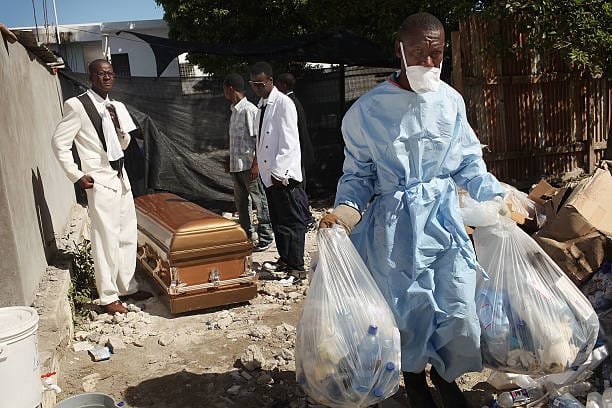
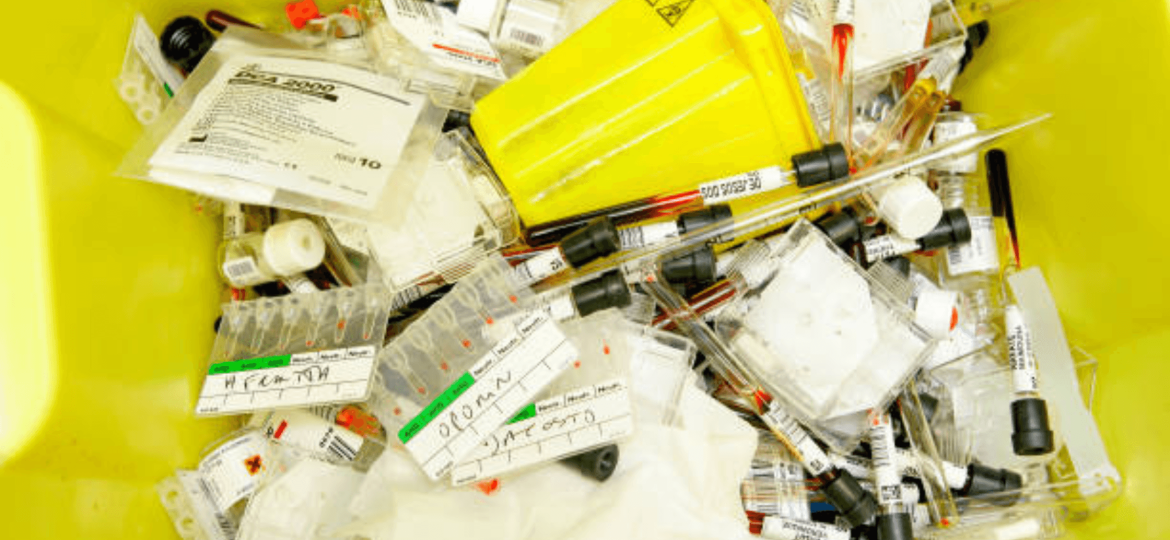
Hospital wastewater is fundamentally more hazardous than domestic sewage — pathogens, pharmaceutical residues, and disinfectant chemicals at concentrations regular STPs aren’t designed to handle. This is precisely why hospital STPs are held to a separate, stricter set of safety standards than other sectors.
For a detailed breakdown of hospital wastewater contamination sources and composition, see our Hospital STP design guide.
For a full walkthrough of the hospital STP treatment process — pre-treatment, primary, secondary, and tertiary stages — see our Hospital STP design and process guide.
CPCB vs. SPCB Hospital Treated Effluent Quality Norms
Hospitals and healthcare establishments must maintain treated effluent within the statutory parameters outlined below prior to recycling or municipal sewer discharge:
| Parameter | CPCB General Discharge Limit | Strict SPCB Urban Reuse Limit | SUSBIO ECOTREAT Output |
|---|---|---|---|
| pH Value | 6.5 – 9.0 | 6.5 – 8.5 | 7.0 – 8.0 |
| BOD (Biochemical Oxygen Demand) | ≤ 30 mg/L | ≤ 10 mg/L | < 10 mg/L |
| COD (Chemical Oxygen Demand) | ≤ 250 mg/L | ≤ 50 mg/L | < 50 mg/L |
| TSS (Total Suspended Solids) | ≤ 100 mg/L | ≤ 10 mg/L | < 10 mg/L |
| Oil & Grease | ≤ 10 mg/L | ≤ 5 mg/L | < 2 mg/L |
| Fecal Coliform | < 1000 MPN/100 mL | < 100 MPN/100 mL | Non-detectable |
NABH & SPCB Audit Checklist for Hospital STPs
- Active Statutory Consents: Maintain up-to-date Consent to Establish (CTE) and Consent to Operate (CTO) valid under the Water (Prevention and Control of Pollution) Act, 1974.
- Segregation of Cytotoxic & Lab Streams: Verify that formaldehyde, formalin, high-concentration disinfectants (> 5%), chemotherapy liquid waste, and nuclear radioactive tracers are physically blocked from reaching the domestic STP inlet.
- Continuous Dual Disinfection: Verify operational run-logs for inline UV lamps and sodium hypochlorite chemical dosing systems with residual chlorine maintaining 0.5 to 1.0 mg/L in contact tanks.
- Monthly NABL Laboratory Testing: Maintain certified monthly reports checking BOD, COD, TSS, and Fecal Coliform counts.
- Dry Sludge Disposal Manifests: Maintain logs showing that digested, dried sludge is transported and incinerated through an authorized Common Bio-Medical Waste Treatment Facility (CBMWTF).
Choosing the Right STP for Your Hospital
Beyond design and sizing — covered in our hospital STP guide — ongoing maintenance and monitoring determine whether a plant stays compliant day to day. Best practices include:
- Regular checks of pH, BOD, COD, and microbial counts
- Sludge removal every month or quarter
- Frequent checks of blowers, pumps, and sensors
- Keeping detailed records for audits and SPCB inspections
Annual Maintenance Contracts (AMCs) are a practical way to maintain these standards when a hospital doesn’t have a dedicated technical team on staff.
Conclusion
Hospital sewage treatment plays a vital role in healthcare infrastructure beyond meeting regulations. This piece explores the real importance of proper wastewater management in hospitals. Medical facility wastewater contains everything from pharmaceutical residues to biological hazards, which makes specialized treatment necessary to protect both the environment and public health.
The multi-stage treatment process will give a complete solution that works well. Each stage targets specific contaminants in hospital wastewater, starting from preliminary screening and moving through tertiary disinfection. This methodical process removes harmful substances before water returns to the environment or gets reused within the hospital premises.
CPCB and WHO’s standards are 15 years old, and with good reason too. BOD, COD, TSS and pathogen levels must stay within strict limits to stop water contamination and disease spread. Healthcare facilities that fail to meet these standards harm the environment and risk heavy penalties along with reputation damage.
A hospital’s size affects its STP needs, so proper planning becomes crucial. Small hospitals need compact, quick systems while larger facilities require sophisticated treatment setups to handle bigger volumes. Space-constrained settings benefit from packaged STPs, though custom-built systems work better in certain cases.
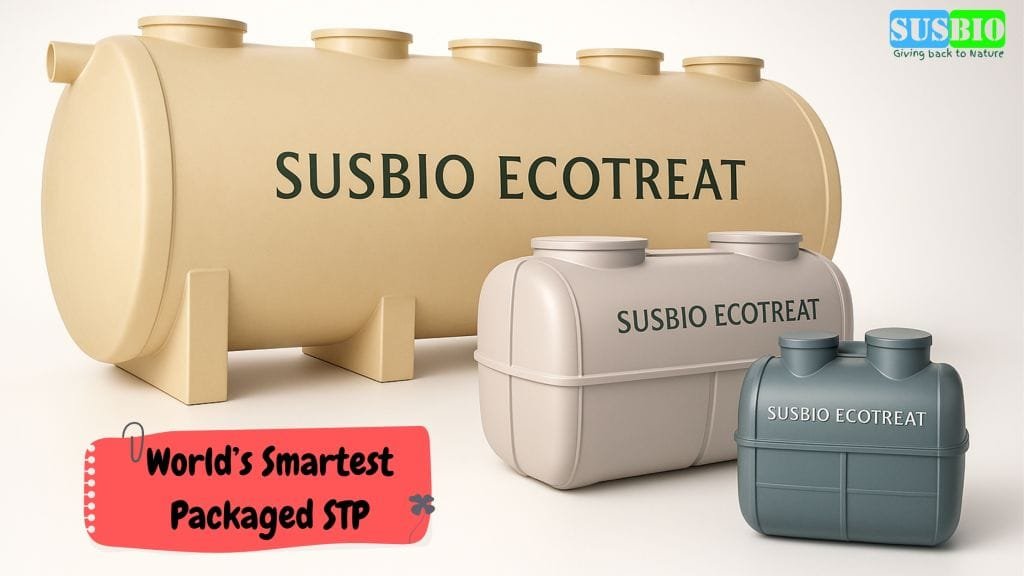
SUSBIO ECOTREAT leads India’s packaged STP market with its advanced technology. Its dual-treatment technology, energy efficiency, and small footprint make it an ideal choice especially when you have modern healthcare facilities looking for environmentally responsible waste management options.
Regular monitoring and strict safety protocols help maintain long-term STP performance. Proper sewage treatment substantially pays off through environmental protection, regulatory compliance, and potential water reuse benefits. Modern healthcare facilities keep expanding their services, and their responsibility to manage wastewater safely grows too – a challenge that modern STP solutions like SUSBIO ECOTREAT handle effectively.
Key Takeaways
Hospital sewage treatment is a critical safety requirement that protects both public health and the environment from hazardous medical waste contamination.
- Hospital wastewater contains dangerous pathogens, pharmaceuticals, and heavy metals — making it 5-15 times more toxic than regular sewage
- CPCB compliance requires strict effluent parameters: BOD <10 mg/L, COD <50 mg/L, TSS <10 mg/L, with mandatory disinfection protocols
- Hospital STPs require dedicated operating compliance — monthly water quality testing, SPCB Consent to Operate renewal, BMW Rules 2016 waste segregation, and NABH documentation
- Regular maintenance and monitoring — sludge removal, equipment checks, and detailed audit records — determine whether a plant stays compliant day to day
- Advanced packaged STPs like SUSBIO ECOTREAT offer up to 70% energy savings and reliable disinfection for hospital-grade safety performance
Proper hospital STP implementation not only ensures regulatory compliance but also enables water reuse for non-potable applications, reducing freshwater consumption while safeguarding community health from antimicrobial resistance and waterborne diseases.
Frequently Asked Questions
Q1. What is the primary purpose of a Sewage Treatment Plant (STP) in hospitals?
An STP in hospitals serves to treat wastewater, reducing water pollution and enabling the reuse of treated water for non-potable applications. It also demonstrates the hospital’s commitment to environmental responsibility and helps protect water resources.
Q2. How does hospital sewage differ from regular domestic sewage?
Hospital sewage is significantly more hazardous, containing a complex mixture of pathogens, pharmaceuticals, and heavy metals. It can be 5-15 times more toxic than regular domestic sewage, requiring specialized treatment processes.
Q3. What ongoing compliance does a hospital STP require after installation?
Hospital STPs require continuous operating compliance, not just one-time installation. This includes monthly outlet water quality testing (BOD, COD, TSS, fecal coliform), timely SPCB Consent to Operate renewal, segregated liquid waste disposal under BMW Rules 2016, and maintaining STP operating logs, AMC records, and staff training documentation for NABH’s Facility Management and Safety domain.
Q4. What are the critical effluent quality parameters that hospital STPs must meet?
Hospital STPs must ensure their treated effluent meets strict quality parameters set by regulatory bodies. These include BOD <10 mg/L, COD <50 mg/L, TSS <10 mg/L, and proper disinfection to remove pathogens.
Q5. What maintenance does a hospital STP need to stay compliant?
Hospital STPs need regular monitoring of pH, BOD, COD, and microbial counts, sludge removal every month or quarter, frequent checks of blowers, pumps, and sensors, and detailed record-keeping for audits and SPCB inspections. Annual Maintenance Contracts (AMCs) are a practical option for hospitals without a dedicated technical team.