

Most people don’t realize how much domestic sewage management affects their daily lives. The average person produces about 100-150 liters of wastewater each day just from regular household activities. Untreated contaminants pose serious risks – they can seep into groundwater, make surface water bodies dirty, create health hazards, and harm entire ecosystems.
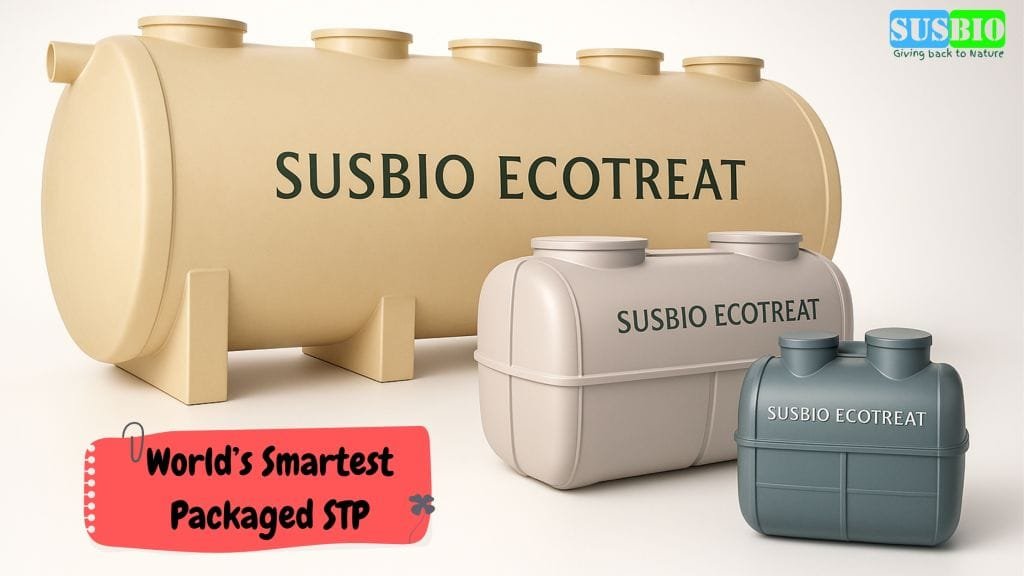
Homeowners often struggle to pick the right domestic sewage treatment plant for their residential buildings. Traditional septic systems have served well for decades. Modern packaged sewage treatment plants like SUSBIO ECOTREAT bring some impressive benefits to the table. These Packaged STPs pack powerful treatment capability into a compact, space-saving design that works great for properties where space comes at a premium. The best part? They deliver excellent wastewater treatment despite their smaller footprint.
This piece compares SUSBIO ECOTREAT, a cutting-edge packaged sewage treatment solution, with conventional septic systems. We’ll get into their treatment methods, what you need for installation, how well they perform, and what they cost. The information will help you figure out which home sewage treatment plant matches your needs best.
Treatment Process Comparison: SUSBIO ECOTREAT vs Traditional Septic Systems
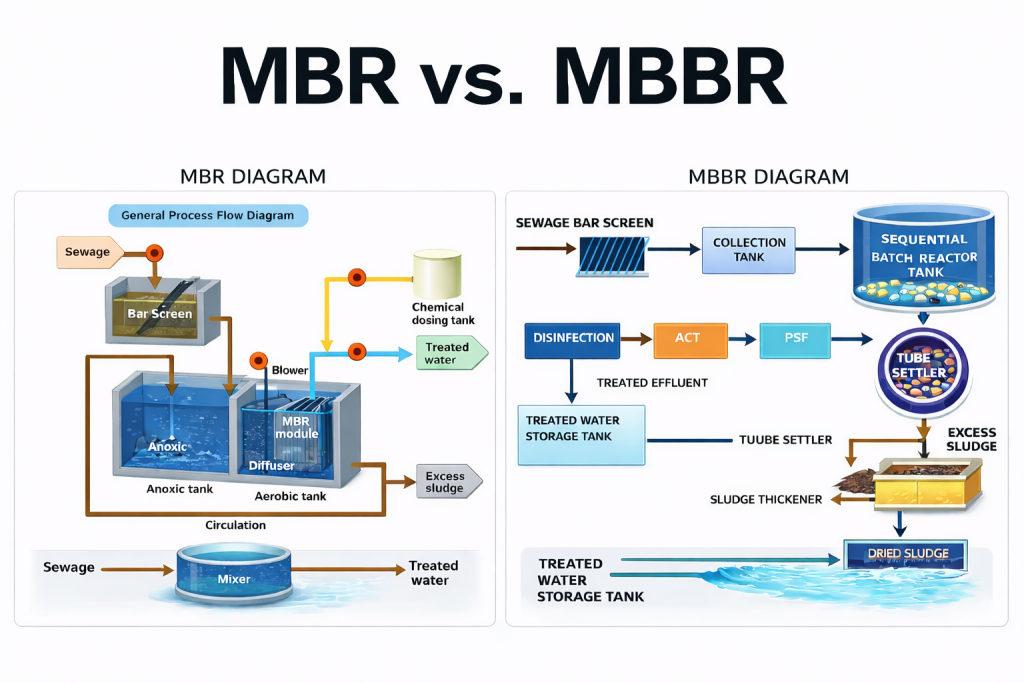
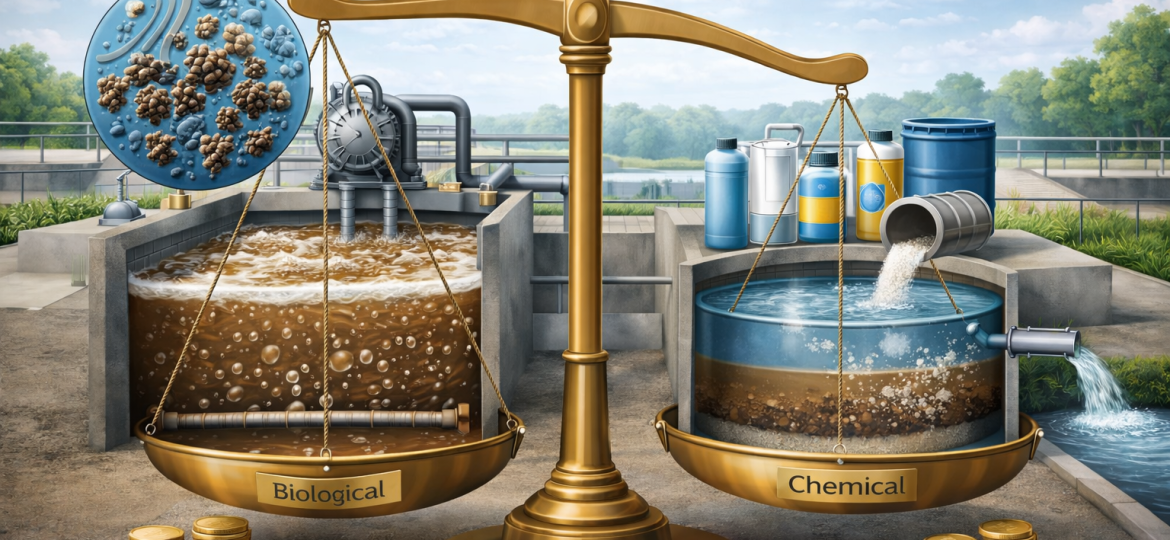
Modern packaged STPs and conventional systems differ in how they treat waste. These technologies represent two different approaches to managing domestic sewage.
Biological Treatment: MBBR/SBR vs Anaerobic Digestion
SUSBIO ECOTREAT uses a dual biological treatment process that combines anaerobic (oxygen-free) and aerobic (oxygen-rich) environments in one compact unit. This advanced system employs Moving Bed Biofilm Reactor (MBBR) technology. Thousands of special plastic carriers create a large surface area where helpful microorganisms form biofilms. These biofilms break down organic pollutants, nitrogen, and phosphorus quickly.
Traditional septic systems work differently. They use anaerobic digestion as their main process. Solids settle and decompose without oxygen inside a conventional septic tank. This single-phase biological process works, but it’s not as effective as the dual-treatment approach of packaged STPs.
The results are clear. SUSBIO ECOTREAT reduces BOD (Biological Oxygen Demand) and COD (Chemical Oxygen Demand) by 90-95%. Traditional systems don’t perform as well and their results vary.
Filtration and Disinfection: UV/Chlorine vs Soil Absorption
Modern packaged STPs add advanced filtration and disinfection stages after biological treatment. SUSBIO ECOTREAT uses UV radiation or chlorination as final cleaning steps. UV disinfection exposes water to specific wavelengths (around 254 nanometers). These waves go through cell walls of bacteria and viruses, damage their DNA, and stop them from reproducing. This physical process needs no chemicals and leaves nothing harmful behind.
Traditional septic systems rely on soil absorption for final treatment. The partially treated waste flows into a drain field where soil naturally filters it further. This natural method’s success depends on soil conditions. Poor conditions can lead to groundwater contamination if the system isn’t managed well.
Sludge Handling: Automated vs Manual Desludging
The biggest difference between these systems shows up in sludge management. SUSBIO ECOTREAT comes with automated sludge handling that needs minimal upkeep. The system manages sludge production and removal efficiently, which creates less waste.
Regular septic tanks need manual desludging – a dangerous and difficult job. Even with safety gear, manual scavenging has led to many deaths, with 330 people losing their lives between 2017-2021. Septic tanks also create lots of sludge that needs proper disposal. This makes up a big part of operating costs.
Automated systems make the job safer and help the environment by managing sludge better and producing less waste.
Installation and Space Requirements
Space and installation needs are key factors to consider when choosing a sewage treatment solution for your property. SUSBIO ECOTREAT and traditional septic systems differ in more ways than just their treatment methods. Their physical requirements affect project timelines, property use, and installation complexity.
Setup Time: 2 Weeks vs Several Months
Modern packaged STPs and traditional systems have a huge gap in installation timelines. SUSBIO ECOTREAT’s modular design makes quick deployment possible. Most installations take just 2-4 weeks. This quick setup changes a long construction project into a simple installation process.
Traditional septic systems take several months to a year for complete installation. The extended timeline comes from the work to be done in civil construction. This includes excavation, concrete work, tank building, and plumbing installations. Property owners deal with longer periods of site disruption and construction activity.
Land Footprint: Compact Modular vs Large Drain Fields
These systems show a striking difference in physical footprint. Traditional septic systems just need large land areas, mainly for drain fields or leach fields that take up much of a property. Standard treatment loads need 300-1000+ square meters. This limits how owners can use their property in the future.
SUSBIO ECOTREAT’s design focuses on saving space. Small capacity systems (5-50 KLD) need only 25-100 square meters. This compact size works great in urban areas where land costs are high. The system’s flexibility lets owners install it in basements, on rooftops, or in small yards. Traditional systems can’t offer these options.
Civil Work: Plug-and-Play vs Excavation and RCC Tanks
Construction requirements show the most practical difference for property owners. SUSBIO ECOTREAT comes with a true “plug-and-play” design ready to install. This prefabricated approach cuts down on-site construction. It needs only:
| SUSBIO ECOTREAT | Traditional Septic System |
|---|---|
| Flat concrete foundation pad | Extensive excavation |
| Simple excavation | Detailed civil construction |
| PCC foundation | Complex RCC tanks |
| No tank curing | Extended curing periods |
| Minimal groundwork | Extensive plumbing installations |
This simplified process speeds up project timelines and cuts labor costs and construction complexity. Homeowners benefit from less site disruption and faster installation with this plug-and-play approach.

Performance and Output Quality
Performance metrics show big differences between modern and traditional sewage treatment options for residential use. The treated water’s quality ended up determining its environmental effect and reuse potential.
Effluent Quality: <20 mg/L BOD vs Variable Output
SUSBIO ECOTREAT delivers superior effluent quality consistently with BOD levels below 20 mg/L and TSS below 10 mg/L. This remarkable consistency comes from its dual treatment approach that combines anaerobic and aerobic processes for detailed breakdown of complex organics and nutrients. The treated water meets and this is a big deal as it means that the most stringent environmental standards set by regulatory bodies.
Traditional septic systems create variable output quality. These conventional systems just separate solids and scum from effluent and provide minimal treatment. The effluent contains harmful pathogens, organic pollutants, and nutrients that can contaminate groundwater. Septic systems without advanced treatment stages struggle to eliminate pharmaceuticals, microplastics, and certain stubborn pollutants.
Pathogen Removal: 99% via UV vs Natural Soil Filtration
SUSBIO ECOTREAT’s UV/Chlorine disinfection achieves an impressive 99% pathogen removal rate. UV treatment damages microorganisms’ nucleic acids and eliminates pathogens like E.coli and Cryptosporidium that resist chlorine treatment. Research shows UV light can reduce bacterial contamination by up to 9 logs and viral contamination by up to 4 logs.
Traditional septic systems depend on natural soil filtration to remove pathogens—a process that varies based on soil conditions. Water passing through soil might filter out some pathogens, but this natural process lacks the precision and reliability of engineered disinfection methods.
Odor and Noise Control: Sealed Design vs Open Chambers
These systems show noticeable practical differences in their sensory effect. SUSBIO ECOTREAT’s fully sealed design eliminates odor issues. Modern packaged STPs‘ advanced engineering prevents hydrogen sulfide (H₂S) release—the main cause of sewage odor. The system maintains optimized oxygen levels that stop anaerobic bacteria from producing odorous compounds.
Noise pollution creates another key difference. SUSBIO ECOTREAT and similar modern packaged STPs use low-decibel blowers and sound-dampening technology to minimize operational noise. Studies have found several noise sources in traditional wastewater treatment plants: blower rooms, air distribution pipes, biofilters, and activation tanks. These conventional components create noise pollution that affects nearby residents, with documented complaints from communities located up to 200 meters away.
Modern packaged STPs offer practical quality-of-life benefits for homeowners and surrounding communities beyond their technical advantages.
Cost and Maintenance Over Time
Money often makes the final call between modern packaged STPs and traditional septic systems. A full picture shows clear differences in both short-term costs and long-term value.
Initial Investment: Higher vs Lower
Traditional septic systems cost less upfront, which attracts budget-conscious homeowners. Modern packaged STPs like SUSBIO ECOTREAT need more money at first—a 20 KLD capacity system costs between ₹8,50,000 to ₹16,00,000. The installation costs tell only part of the story.
Operational Costs: Energy-Efficient vs Manual Labor
These systems show a big gap in running costs. SUSBIO ECOTREAT’s smart aeration and automation systems cut electricity use by up to 90% compared to regular treatment methods. Energy makes up 10-30% of total operational costs in wastewater treatment.
Traditional septic systems use little energy but rack up costs through manual labor for maintenance and desludging. System failures can lead to expensive repairs, treatment stops, and possible fines from regulators.
Maintenance Frequency: AMC Support vs Frequent Desludging
Modern packaged STPs come with detailed Annual Maintenance Contracts (AMCs) that cover everything mechanical, electrical, biological, and operational. These well-laid-out maintenance plans protect system performance, meet regulations, and keep long-term costs in check.
Traditional septic tanks ask for more frequent upkeep, with yearly checks and desludging every 3-5 years. The manual work needed drives costs up as time goes by.
Return on Investment: Faster Payback via Water Reuse
SUSBIO ECOTREAT pays for itself faster despite higher upfront costs. Most 50-100 KLD sewage treatment plants break even in 18-24 months. The system then keeps saving money for about two decades through water reuse and lower running costs.
Property owners save about INR 4-5 lakhs yearly by reusing treated water in gardens, toilets, and cooling systems. The numbers show that advanced packaged STPs make more financial sense than conventional systems in the long run.
Suitability for Residential Applications
The right wastewater treatment solution depends on how well system capabilities match your residential needs. SUSBIO ECOTREAT and traditional septic systems each serve unique purposes based on their design characteristics.
Ideal Use Cases: Villas, Schools, Hospitals
SUSBIO ECOTREAT packaged sewage treatment plants shine in a variety of residential and institutional settings. These systems work best for villas, residential communities, educational institutions, and healthcare facilities. Small-scale residential developments and individual households benefit from compact 5-10 KLD capacity units that cost between ₹1.75-3 lakhs.
Traditional septic systems perform best in rural areas that have plenty of land and fewer people. Their simple design suits single-family homes or small businesses with steady wastewater flows. These systems remain viable options where advanced treatment isn’t needed.
Scalability: Modular Expansion vs Fixed Capacity
The two systems take different approaches to handle future growth:
| Feature | SUSBIO ECOTREAT | Traditional Septic |
|---|---|---|
| Expansion Method | Modular addition | Complete rebuilding |
| Response to Growth | Plug-in additional units | Excavate new system |
| Capacity Flexibility | Easily scalable | Fixed at installation |
SUSBIO ECOTREAT’s modular design lets you expand capacity without rebuilding the whole system. This makes it perfect for phased real estate projects, hotels adding rooms, or growing schools. You can add components as your budget allows while keeping treatment efficient during expansion.
Traditional septic systems come with fixed capacity set during installation. You’ll need to replace the entire system if wastewater volumes exceed the original design parameters. Growing properties face long-term challenges because of this limitation.
Compliance: BIS/ISO Certified vs Local Approvals
Regulatory compliance is a vital factor for residential applications. SUSBIO ECOTREAT systems meet Bureau of Indian Standards (BIS) certification requirements and national quality and safety standards. The ISI mark on these systems gives homeowners confidence in their performance and reliability.
Local municipal approvals govern traditional septic systems, which vary between regions. This inconsistency in regulations creates compliance challenges, especially as environmental standards get stricter over time. Property owners should evaluate long-term regulatory compliance before choosing domestic sewage treatment solutions.
Comparison Table
| Feature | SUSBIO ECOTREAT | Traditional Septic Systems |
|---|---|---|
| Treatment Process | Dual biological treatment (anaerobic + aerobic) with MBBR technology | Primary anaerobic digestion only |
| BOD/COD Reduction | 90-95% | Lower and inconsistent performance |
| Disinfection Method | UV radiation or chlorination | Natural soil absorption |
| Installation Time | 2-4 weeks | Several months to a year |
| Space Requirements | 25-100 sq meters (5-50 KLD) | 300-1000+ sq meters |
| Effluent Quality (BOD) | <20 mg/L | Inconsistent output |
| Pathogen Removal | 99% through UV treatment | Varies based on soil filtration |
| Sludge Management | Automated handling | Manual cleaning every 3-5 years |
| Odor Control | Sealed design with reliable control | Open chambers with unpredictable control |
| Original Cost (20 KLD) | ₹8,50,000 to ₹16,00,000 | Lower upfront costs |
| Expansion Capability | Modular and flexible | Fixed capacity that needs rebuilding |
| Certification | BIS/ISO certified | Local approvals only |
| Maintenance Support | AMC support accessible | Regular manual maintenance needed |
| Water Reuse Potential | High (suitable for gardening, toilet flushing) | Limited |
Conclusion
SUSBIO ECOTREAT and traditional septic systems differ in several ways that homeowners care about. SUSBIO ECOTREAT’s dual biological treatment process achieves 90-95% BOD and COD reduction, which is nowhere near what conventional systems can match. Modern packaged STPs need just 25-100 square meters of space, while traditional drain fields take up 300-1000+ square meters. This makes them perfect for properties where space comes at a premium.
Property owners love that SUSBIO ECOTREAT installations take only 2-4 weeks, not the several months needed for conventional systems. The plug-and-play design cuts down on construction hassles and site disruption – a huge plus for residential properties.
Modern packaged STPs are a clear winner in performance. They consistently deliver effluent quality with BOD levels under 20 mg/L and remove 99% of pathogens through advanced disinfection. Traditional systems are simpler but depend on unreliable soil filtration that might let harmful contaminants through.
Traditional septic systems might cost less upfront, but SUSBIO ECOTREAT proves more affordable in the long run. Lower operating costs, less maintenance, and water reuse features mean homeowners see returns within 18-24 months. The system keeps working reliably for about two decades.
Rural properties with plenty of land might find conventional septic systems good enough. But for homes in urban or suburban areas, SUSBIO ECOTREAT delivers better performance, meets strict regulations, and adapts easily to future needs.
Smart homeowners think over more than just the original costs. They look at long-term performance, environmental effects, and their property’s specific needs. The facts point to modern packaged STPs as the quickest way to handle domestic sewage treatment in today’s world. These systems are green, efficient, and affordable for most modern settings.
Key Takeaways
When choosing between modern packaged sewage treatment plants and traditional septic systems, these critical insights will help you make an informed decision for your property’s wastewater management needs.
• SUSBIO ECOTREAT delivers superior treatment quality with 90-95% BOD/COD reduction and 99% pathogen removal, while traditional septic systems provide variable and often lower performance levels.
• Space and time efficiency strongly favor modern systems – SUSBIO ECOTREAT requires only 25-100 sq meters and 2-4 weeks installation versus traditional systems needing 300-1000+ sq meters and several months.
• Long-term economics justify higher upfront investment – Despite initial costs of ₹8.5-16 lakhs for 20 KLD capacity, the 18-24 month payback period through water reuse and lower maintenance makes modern systems more cost-effective.
• Modular scalability enables future growth while traditional septic systems have fixed capacity requiring complete rebuilding for expansion, making packaged STPs ideal for growing properties.
• Automated maintenance and BIS certification provide reliability and compliance advantages over manual desludging and variable local approvals required by conventional systems.
For most residential applications, especially in urban settings with space constraints, SUSBIO ECOTREAT offers the optimal combination of performance, efficiency, and long-term value despite higher initial investment costs.
Frequently Asked Questions
Q1. What are the main advantages of SUSBIO ECOTREAT over traditional septic systems?
SUSBIO ECOTREAT offers superior treatment efficiency with 90-95% BOD/COD reduction, faster installation (2-4 weeks), compact design (25-100 sq meters for 5-50 KLD), and consistent high-quality effluent (BOD <20 mg/L). It also provides better odor control, automated sludge handling, and easier scalability.
Q2. How do the space requirements differ between SUSBIO ECOTREAT and traditional septic systems?
SUSBIO ECOTREAT requires significantly less space, needing only 25-100 square meters for small capacity systems (5-50 KLD). Traditional septic systems, on the other hand, typically require 300-1000+ square meters, primarily for the drain field.
Q3. What are the long-term cost implications of choosing SUSBIO ECOTREAT over a traditional septic system?
While SUSBIO ECOTREAT has a higher initial cost, it offers better long-term economics through reduced operational expenses, less frequent maintenance, and water reuse capabilities. The system typically has a payback period of 18-24 months and can generate savings for about two decades.
Q4. How does the effluent quality compare between SUSBIO ECOTREAT and traditional septic systems?
SUSBIO ECOTREAT consistently produces high-quality effluent with BOD levels below 20 mg/L and achieves 99% pathogen removal through advanced disinfection methods. Traditional septic systems produce variable output quality that may contain harmful contaminants, relying on inconsistent soil filtration for final treatment.
Q5. Which system is more suitable for residential applications in urban or suburban settings?
SUSBIO ECOTREAT is generally more suitable for urban or suburban residential applications due to its compact size, superior performance, compliance with stringent regulations, and adaptability for future expansion. Traditional septic systems may still be adequate for rural properties with ample land availability.