

pH and TDS are the two most commonly cited water quality numbers, and they measure completely different things: pH tells you how acidic or alkaline your water is, while TDS tells you how much is dissolved in it. Both matter, but for different reasons — and mixing them up leads to solving the wrong problem. This page focuses on pH in depth; for the full breakdown of TDS — ideal ranges, sources, testing, and purification methods — see our dedicated TDS guide.
What pH Actually Measures
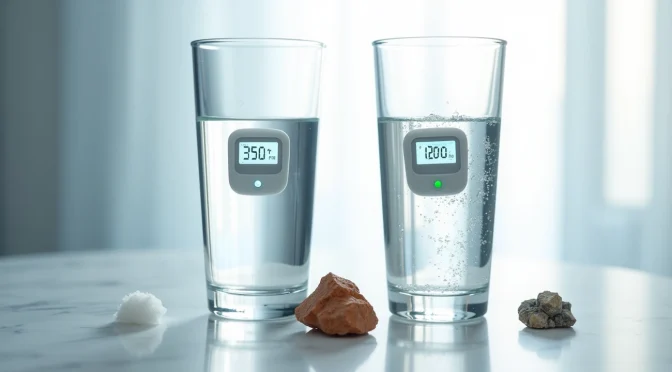
pH measures the concentration of hydrogen ions in water, expressed on a scale of 0 to 14, with 7 as neutral. The scale is logarithmic, not linear — water at pH 5 is ten times more acidic than pH 6, and a hundred times more acidic than pH 7. This is why a pH reading that looks like a small numerical shift can represent a large real change in acidity.
The World Health Organization recommends drinking water stay between pH 6.5 and 8.5. For treated sewage water under CPCB norms, the acceptable range is slightly wider — 6.5 to 9.0 — reflecting the different purpose and discharge context rather than a different safety standard.
What Causes pH Imbalance
Low pH (acidic) causes: Dissolved carbon dioxide from decomposing organic matter forms weak carbonic acid, lowering pH. Acid rain from vehicle emissions and industrial pollution can acidify surface water sources. Granite bedrock, unlike limestone, doesn’t neutralize acidity, so groundwater in granite-heavy regions tends to run lower on the pH scale naturally.
High pH (alkaline) causes: Limestone and chalk geology naturally raises pH as water passes through and dissolves calcium carbonate. Certain industrial discharges and detergent-heavy wastewater can push pH upward. In treatment systems specifically, over-dosing of alkaline chemicals used for other purposes (like coagulation aids) can unintentionally shift pH high.
Why pH Balance Matters
Low pH water is corrosive — it accelerates pipe and plumbing degradation and can leach metals like lead and copper directly into the water supply, which is a more serious problem than the acidity itself. High pH water forms scale deposits, reduces the effectiveness of chlorine disinfection (chlorine works less efficiently above pH 8), and can taste bitter or soapy.
For biological treatment systems specifically, pH matters even more directly: most of the bacteria responsible for breaking down organic matter in an STP function best within a narrow pH band, and a system running outside that range can see real treatment performance drop, not just a compliance number issue.
How to Test and Balance pH
Digital pH meters with temperature compensation give the most reliable home readings — pH shifts with temperature, so an uncompensated reading can mislead. For adjusting acidic water, calcium carbonate is generally the better choice over sodium carbonate (soda ash): it raises pH while adding beneficial minerals rather than sodium, and self-limits at a non-corrosive equilibrium around pH 7.0-7.5 rather than requiring precise dosing.
TDS: A Quick Overview
TDS (Total Dissolved Solids) measures everything dissolved in water that isn’t H₂O — minerals, salts, and trace organic matter — expressed in mg/L, which is equivalent to ppm. Unlike pH, TDS doesn’t tell you whether water is safe on its own: the composition matters more than the total number, since the same reading could come from beneficial minerals like calcium and magnesium or from contaminants.
BIS India sets the acceptable drinking water limit at 500 mg/L, with a permissible relaxation to 2,000 mg/L only when no alternative source exists. For the full picture — what different TDS ranges actually mean, how to test at home, and which purification method fits your reading — see our complete TDS guide.
pH and TDS in Treated Sewage Water
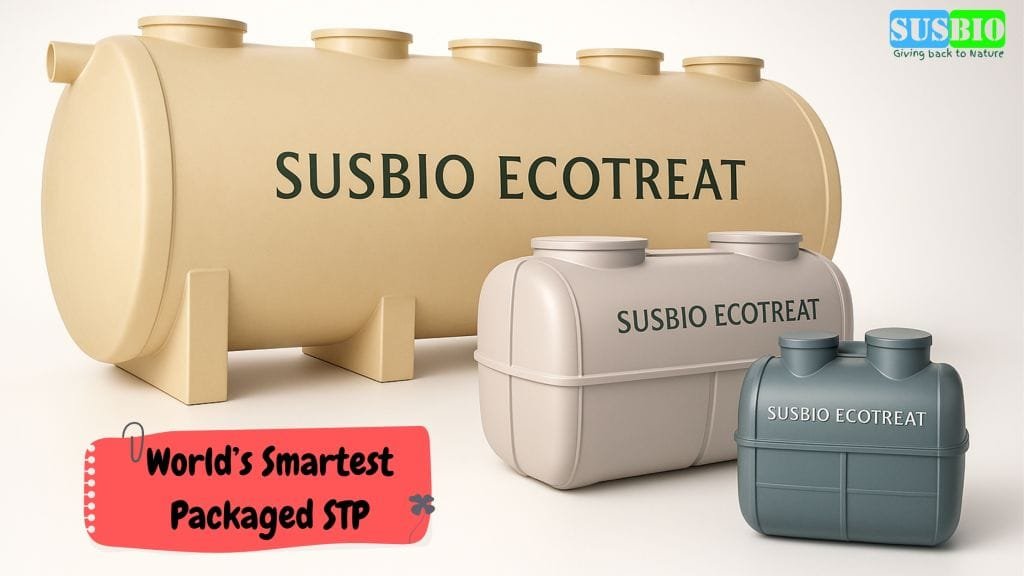
For STP and ETP buyers specifically, both parameters apply differently than they do to drinking water. SUSBIO ECOTREAT’s Anaerobic + MBBR treatment process is engineered to consistently deliver treated water within CPCB’s 6.5-9.0 pH range, without the manual chemical dosing a conventional system might need to stay in range — the biological process itself is designed to run stable within that band rather than requiring constant correction. TDS in treated sewage water is governed by separate CPCB reuse and discharge standards (covered in detail in our TDS guide), distinct from the drinking-water benchmarks covered above.
Safe Ranges and Guidelines for TDS and pH
| Use Case | Ideal pH | TDS Limit |
|---|---|---|
| Drinking water (BIS India) | 6.5 – 8.5 | Below 500 mg/L |
| Drinking water (WHO) | 6.5 – 8.0 | Below 600 mg/L |
| STP treated water (CPCB) | 6.5 – 9.0 | Below 2,100 mg/L |
| Toilet flushing reuse | 6.5 – 9.0 | Below 500 mg/L |
| Garden irrigation reuse | 6.0 – 8.5 | Below 2,000 mg/L |
| Industrial discharge | 5.5 – 9.0 | Below 2,100 mg/L |
Regulatory bodies across the globe have set specific guidelines about safe water consumption. These guidelines serve as significant standards that help evaluate tap water quality and determine if your water is safe to drink.
WHO and EPA standards for drinking water TDS
The World Health Organization (WHO) has specific TDS ranges that ensure water safety and taste. WHO guidelines state acceptable TDS range for drinking water lies between 300-600 ppm. The organization suggests a narrower range of 150-300 ppm for the best health benefits and sets the maximum allowed limit at 1000 ppm.
The Environmental Protection Agency (EPA) in the United States puts TDS under Secondary Maximum Contaminant Levels (SMCLs). You’ll find EPA’s recommended maximum TDS level at 500 mg/L (500 ppm). This recommendation focuses on esthetic qualities rather than immediate health risks, so it’s not legally binding.
Water becomes unfit for human consumption when TDS goes beyond 1000 mg/L. High TDS levels often point to other harmful contaminants that need more investigation.
Recommended pH range for drinkable water
Major health organizations share similar standards for pH levels. WHO recommends drinking water pH should stay between 6.5 and 8.5. EPA agrees with this range for municipal water supplies.
Your water can cause problems when pH levels fall outside these ranges. Low pH water (under 6.5) might damage pipes and plumbing fixtures. High pH water (above 8.5) leaves scale deposits and tastes bitter. Municipal systems need pH below 8.0 for chlorine to work properly.
TDS and pH meter usage for home testing
Testing water at home gives you a practical way to track water quality. Digital TDS meters measure water conductivity and show readings in parts per million that directly associate with dissolved solid levels. These handheld devices are an affordable way to check water quality regularly.
pH meters work with special electrodes that measure hydrogen ion concentration. Better pH meters come with temperature compensation features that give accurate readings despite temperature changes. Look for pH meters with amplified electrodes made specifically for low conductivity samples when testing drinking water with few minerals.
Regular tests help spot changes in water quality that might show contamination or system failures. Experts say you should test monthly if you have water purification systems. Those using municipal or well water directly should test weekly.
Conclusion
pH and TDS answer two different questions about your water — how acidic or alkaline it is, and how much is dissolved in it — and both matter, but neither substitutes for the other. Keeping pH within 6.5-8.5 protects your plumbing and supports effective disinfection; understanding your TDS reading, and what’s actually dissolved in it, tells you whether treatment is genuinely needed or just a taste preference. For the full TDS breakdown, continue to our dedicated guide.
Frequently Asked Questions
What is the ideal pH range for drinking water?
The World Health Organization recommends 6.5 to 8.5 for drinking water. For CPCB-regulated treated sewage water, the acceptable range is slightly wider, 6.5 to 9.0.
Why does low pH water damage pipes?
Acidic water is corrosive and can dissolve metal from pipes and plumbing fixtures over time, including leaching lead or copper directly into the water supply — a more serious health concern than the acidity itself.
Does high pH water affect chlorine disinfection?
Yes. Chlorine becomes less effective at killing pathogens as pH rises above 8, which is why municipal water systems generally aim to keep pH below 8.0.
What’s the difference between pH and TDS?
pH measures how acidic or alkaline water is, on a 0-14 scale. TDS measures the total amount of dissolved minerals, salts, and organic matter in water, in mg/L. They’re independent measurements — water can have ideal pH and poor TDS, or vice versa.
How does SUSBIO ECOTREAT manage pH in treated sewage water?
The Anaerobic + MBBR biological process is designed to run stable within CPCB’s required 6.5-9.0 pH range without requiring constant manual chemical dosing to correct it.