
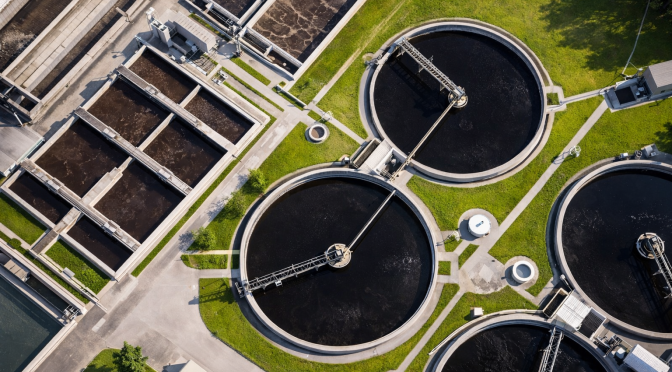
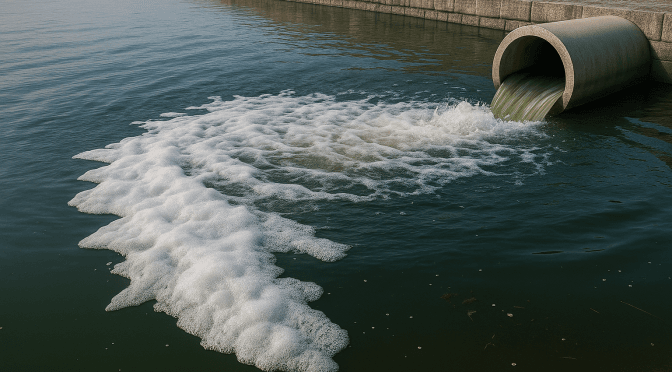
As India continues to urbanize rapidly, the pressure on water resources is increasing at an unprecedented rate. Cities are expanding, industries are growing, and with that comes a massive rise in sewage water generation. Without proper treatment of sewage, this wastewater can severely damage ecosystems, contaminate drinking water sources, and pose serious public health risks.
A Sewage Treatment Plant (STP) is the backbone of sustainable wastewater management. In 2026, with stricter environmental regulations, ESG commitments, and rising water costs, STPs are no longer just compliance systems—they are strategic infrastructure assets for residential, commercial, and industrial developments. Modern wastewater treatment plants play a crucial role in protecting both environmental and public health.
What is a Sewage Treatment Plant (STP)?
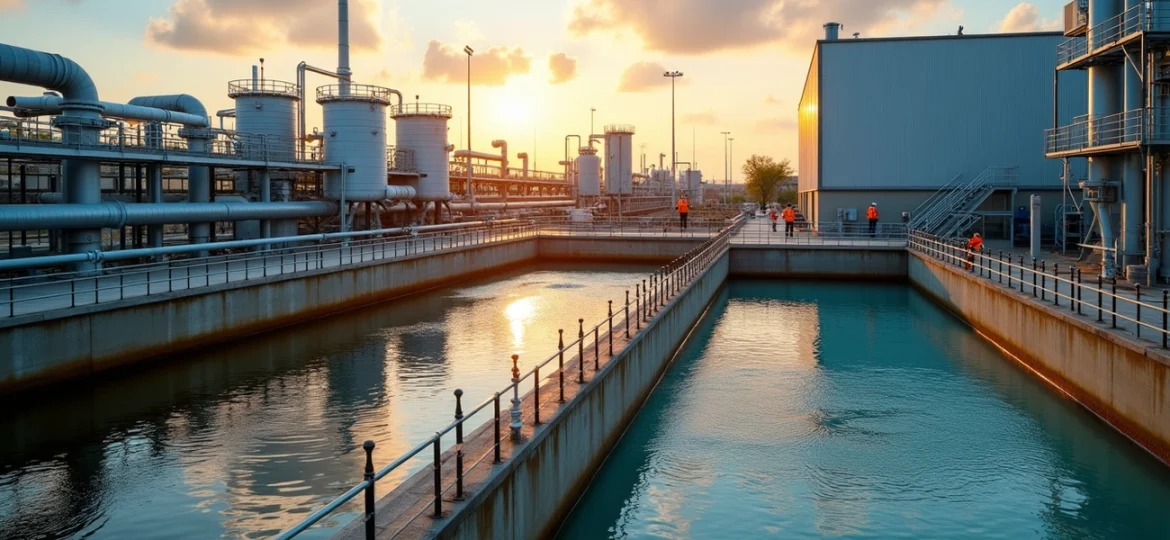
A Sewage Treatment Plant (STP), also known as a wastewater treatment plant, is a system designed to treat wastewater generated from toilets, kitchens, bathrooms, and industrial processes. It removes physical, chemical, and biological contaminants through a comprehensive sewage treatment process to produce treated wastewater that can either be safely discharged into the environment or reused as reclaimed water.
In technical terms:
An STP reduces key pollution parameters such as:
BOD (Biological Oxygen Demand) or biochemical oxygen demand
COD (Chemical Oxygen Demand)
TSS (Total Suspended Solids)
Pathogens and harmful microorganisms
In simple terms:
It converts polluted sewage into clean, reusable water by removing organic matter and other contaminants.
Why Sewage Treatment is Critical in 2026
1. Increasing Water Scarcity
India is facing a growing water crisis. Wastewater treatment systems enable water recycling, reducing dependency on freshwater sources and providing reclaimed water for various applications.
2. Environmental Protection
Untreated sewage is one of the largest contributors to river pollution. A properly functioning wastewater treatment plant helps protect natural ecosystems and maintain water quality standards.
3. Regulatory Compliance
Authorities like Pollution Control Boards mandate STPs for large projects, requiring discharge permits and adherence to treatment regulations, making them legally essential.
4. Cost Savings
Reusing treated wastewater for flushing, gardening, and cooling can significantly reduce water disposal costs and overall water bills.
5. Sustainable Development Goals (SDGs)
STPs contribute directly to sustainability targets and green building certifications while addressing sewage characteristics that impact environmental quality.
How Does a Sewage Treatment Plant Work?
1. Preliminary Treatment (Screening & Grit Removal)
This is the first line of defense in sewage collection and treatment.
Bar screens remove large solids like plastic, cloth, and debris
Grit chambers remove sand, gravel, and heavy particles
Flow equalization tanks balance incoming flow variations
Purpose: Protect downstream equipment and improve efficiency
2. Primary Treatment (Sedimentation)
Wastewater is stored in primary settling tanks or sedimentation tanks
Heavier solids settle at the bottom as sludge sewage treatment begins
Oils and grease float and are skimmed off
Removes up to 60% of suspended solids
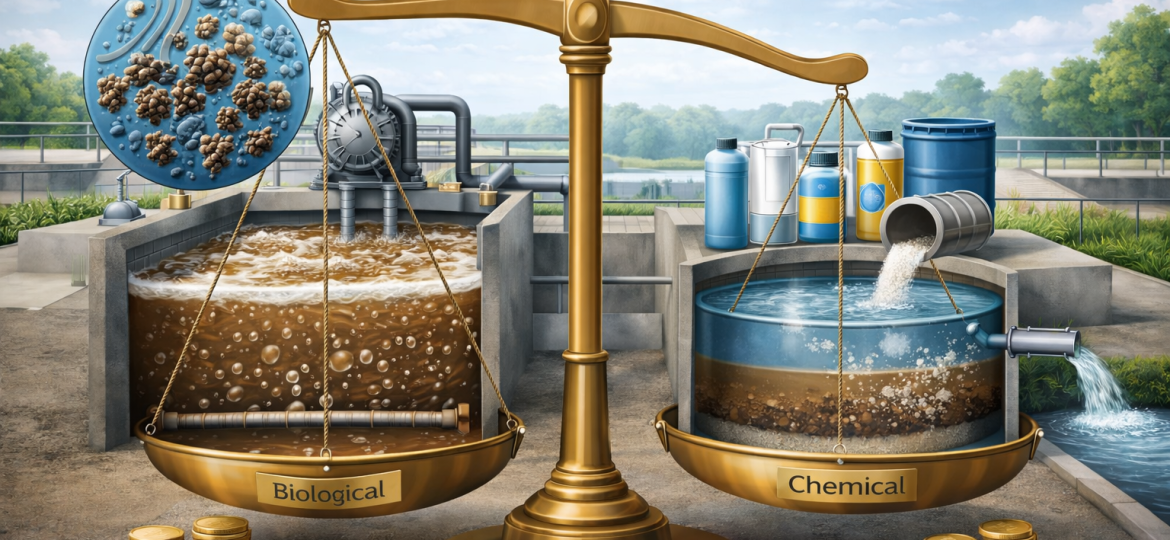
3. Secondary Treatment (Biological Treatment)
This is the heart of the STP, where biological sewage treatment occurs.
Air is pumped into aeration tanks for aerobic treatment
Microorganisms consume organic waste and organic matter
Converts pollutants into biomass, CO₂, and water
Maintains optimal hydraulic retention time for effective treatment
Reduces 85–95% of BOD and COD
Common biological systems used in secondary treatment:
Trickling filter systems
4. Secondary Clarification
Biomass settles in a secondary clarifier
Clear treated water flows out
Sewage sludge is recycled or removed for sludge treatment
5. Tertiary Treatment (Advanced Treatment)
This tertiary treatment stage ensures high-quality output and superior effluent quality.
Pressure sand filters remove fine particles
Activated carbon filters remove odor and color
UV disinfection or chlorination kills pathogens
Nutrient removal processes eliminate nitrogen and phosphorus
Produces water suitable for reuse through advanced tertiary treatment methods
Types of Sewage Treatment Plants
1. ACTIVATED SLUDGE PROCESS (ASP)
Conventional method for municipal sewage treatment
Requires more space and operator control
2. MOVING BED BIOFILM REACTOR (MBBR)
Uses floating media for bacterial growth
Compact, efficient, and low maintenance
3. SEQUENTIAL BATCH REACTOR (SBR)
Time-based treatment in a single tank
High efficiency and flexibility
4. MEMBRANE BIOREACTOR (MBR)
Combines biological treatment with membrane filtration
Produces very high-quality water
5. Constructed Wetlands
Natural treatment using plants and microorganisms
Low energy and maintenance requirements
6. Waste Stabilization Ponds
Large-scale natural treatment systems
Suitable for warm climates and large population equivalent
7. Packaged Sewage Treatment Plants
Factory-made, modular systems ideal as small treatment plant solutions
Quick installation and minimal civil work
Perfect for on-site treatment applications
Applications of Sewage Treatment Plants
STPs are used across multiple sectors for treating both municipal wastewater and industrial wastewater:
Residential Projects
Commercial Establishments
Industrial Use
Food & beverage units requiring industrial wastewater treatment
Textile and manufacturing industries
Institutional Use
Government infrastructure and municipal sewage treatment facilities
Key Benefits of Sewage Treatment Plants
Environmental Benefits
Prevents water pollution and improper water disposal
Protects biodiversity
Reduces carbon footprint
Produces treated wastewater safe for environmental discharge
Economic Benefits
Water reuse reduces operational costs and treatment costs
Lower tanker water dependency
Long-term ROI from investing in a wastewater treatment plant
Social Benefits
Improved hygiene and sanitation
Safer living conditions and enhanced public health
Better urban infrastructure
Government Regulations and Compliance in India
STPs must comply with discharge standards and obtain discharge permits set by:
Ministry of Environment, Forest and Climate Change
Key Parameters:
BOD levels
COD levels
TSS limits
pH balance
Treatment regulations now require proper sewage collection through sanitary sewer or combined sewer systems. Many industries are now required to adopt:
Zero Liquid Discharge (ZLD)
Water recycling systems
Compliance with water quality standards
Latest Innovations in STP Technology (2026)
The wastewater treatment sector is undergoing rapid transformation:
IoT-enabled monitoring systems with sensor technology for real-time performance tracking
Energy-efficient blowers and pumps with energy recovery capabilities
Advanced bio-media technologies
Compact packaged STPs for urban spaces
Automation and AI-based optimization for wastewater treatment plant operations
Advanced odor control systems
Why Packaged STPs Are Dominating the Market
Packaged STPs are becoming the preferred solution as small treatment plant options due to:
Plug-and-play installation for on-site treatment
Reduced construction time (5–15 days)
Compact footprint
Factory-tested quality
Scalability for future expansion based on population equivalent
Lower treatment costs compared to conventional systems
These systems are ideal for real estate developers, hotels, and MSMEs.
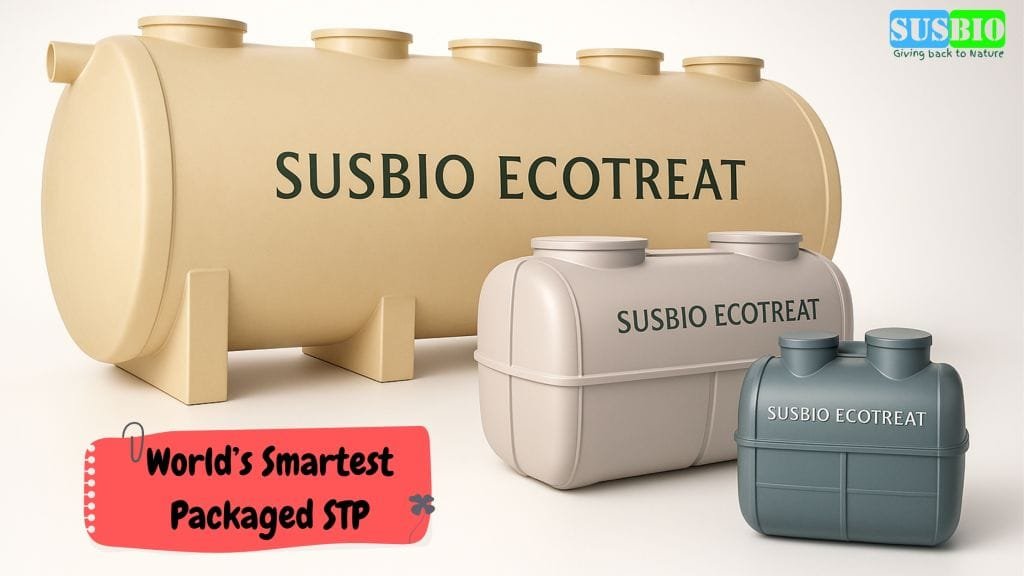
Why SUSBIO ECOTREAT is the Best Packaged Sewage Treatment Plant
1. Compact & Space-Saving Design
- Up to 60–70% less space than conventional STPs
- Ideal for urban projects, hotels, and apartments
2. Fast Installation (Plug & Play)
- Factory-built system
- Installation within 5–14 days
- Minimal civil work required
3. Superior Treatment Efficiency
- Achieves higher BOD, COD, and TSS removal
- Consistent output quality meeting PCB norms
4. Low Operational Cost
- Energy-efficient aeration system
- Reduced manpower requirement
- Lower maintenance cost
5. High Structural Strength & Durability
- Made with high-quality FRP using premium resins
- Corrosion-resistant
- Long lifespan with minimal degradation
6. Odor-Free & Aesthetic Design
- Enclosed system reduces odor issues
- Clean and modern appearance
7. Smart & Scalable System
- Modular expansion possible
- Compatible with automation and IoT monitoring
8. In-House Expertise & Support
- Complete design, manufacturing, installation, and service
- Faster response and better technical support
Future of Sewage Treatment in India
India’s wastewater treatment landscape is evolving toward:
Decentralized treatment systems
100% water recycling
Smart cities with integrated STPs
Sustainable and green infrastructure
Advanced nutrient removal including nitrogen removal and phosphorus removal
Enhanced energy recovery from sewage sludge
Modern wastewater treatment plants will play a central role in water security and environmental protection.
Conclusion
A Sewage Treatment Plant (STP) or wastewater treatment plant is a critical solution for addressing the challenges of wastewater management in 2026. Understanding sewage characteristics and implementing proper treatment in sewage treatment facilities not only ensures environmental compliance but also enables water reuse, reduces operational costs, and supports sustainable development.
With advancements in technology and increasing awareness, modern wastewater treatment plants—especially packaged systems—are transforming how wastewater is treated across residential, commercial, and industrial sectors.
Investing in the right sewage treatment solution today is not just a necessity—it is a strategic decision for a sustainable future.
Frequently Asked Questions
1. What is the purpose of a sewage treatment plant?
The main purpose of a sewage treatment plant is to remove contaminants from wastewater and make it safe for discharge or reuse. It helps reduce pollution, protect public health, and conserve water resources by enabling recycling.
2. Can treated water from an STP be reused?
Yes, treated water from an STP can be reused for:
- Gardening
- Toilet flushing
- Cooling towers
- Construction activities
In advanced systems (like MBR), water can even be reused for high-quality industrial applications.
3. Is STP mandatory in India for apartments and commercial buildings?
Yes, in most cases. According to Pollution Control Board norms, STPs are mandatory for:
- Large residential apartments
- Hotels and resorts
- Commercial complexes
- Industries generating wastewater
Compliance depends on project size and wastewater generation.
4. What is the difference between STP and ETP?
- STP (Sewage Treatment Plant): Treats domestic wastewater (toilets, kitchens, bathrooms)
- ETP (Effluent Treatment Plant): Treats industrial wastewater containing chemicals and toxic substances
Both systems serve different purposes but are essential for wastewater management.
5. How much does a sewage treatment plant cost in India?
The cost of an STP depends on:
- Capacity (KLD)
- Technology (MBBR, SBR, MBR, etc.)
- Material (RCC, FRP, packaged systems)
Approximate range:
- Small STPs: ₹5–₹15 lakhs
- Medium projects: ₹15–₹50 lakhs
- Large/industrial STPs: ₹50 lakhs to several crores
Packaged STPs often provide better cost efficiency due to faster installation and lower maintenance.